
![[Notice] Temporary Maintenance Oct 8 PDT / Oct 9 CEST](https://clan.akamai.steamstatic.com/images/46074831/acaf8855d3caa78719852fa866d8fae0245e46e7.png?#)














Nintendo says tariffs and memory chip prices could cost $700M | Q&A
Nintendo’s leader said in an earnings call that tariffs and the rising cost of memory chips for its hardware such as the Switch 2 could cost $700 million. Shuntaro Furukawa, president and representative director, offered the comments as part of a Q&A after it released its most recent financial report. Despite the rising costs, Nintendo said in the call that it expects to ship 16.5 million Switch 2 hardware units in the fiscal year ending March 31, 2027. Furukawa said, “When Nintendo Switch 2 was launched in June of last year, we worked to expand production capacity so the system was available to as many people as possible. In addition, we held Nintendo Switch 2 Experience events before the launch around the world, which generated consumer interest, and this also helped drive sales far beyond our expectations in that first fiscal year.” He said the result was that sales through to the end of last fiscal year (ended March 2026) reached 19.86 million units, exceeding both initial forecast of 15 million units and the revised forecast of 19 million units, which was announced at the six months earnings report. “That number of 19.86 million units in the first fiscal year was exceptionally high compared to our past hardware launches. This performance was supported by a variety of overlapping factors, including the fact that Nintendo Switch 2 launched while many people are still having fun playing Nintendo Switch, and the ability of Nintendo Switch 2 to play Nintendo Switch software helped make transition easier,” Furukawa said. Shuntaro Furukawa is president of Nintendo. Source: Nintendo At the time of the nine months earnings release, Nintendo explained that while it had a strong holiday season in Japan, the results were weaker than expected in other parts of the world, particularly in Europe and the U.S. However, the release of Animal Crossing: New Horizons – Nintendo Switch 2 Edition and the free update for Animal Crossing: New Horizons in January boosted engagement for both Nintendo Switch and Nintendo Switch 2. And in March, he said Pokémon Pokopia for Nintendo Switch 2 performed well in Japan and other regions, driving hardware sales. In light of these factors, he believes that Nintendo Switch 2 is entering its second year in good shape. He said the initial sales forecast at 16.5 million units takes into account the current sales momentum, as well as the sales performance seen in the second year of past dedicated video game systems. He said the pace of adoption of Nintendo Switch 2 is extremely fast even when compared to Nintendo Switch, and Nintendo does not see any particular concerns about its momentum at this time. “The way that Pokémon Pokopia has contributed to hardware sales reaffirms our belief that the availability of software that people want to play is a key factor supporting the transition to Nintendo Switch 2. Going forward, we have many new titles for Nintendo Switch 2 prepared, and we will carefully convey the appeal of each title to encourage people to transition to Nintendo Switch 2 at their own pace. In that context, we will work to increase the Nintendo Switch 2 installed base over the medium to long term and increase software sales and the number of annual playing users,” Furukawa said. But he noted the earnings forecast for the current fiscal year factors in approximately 100 billion yen due to the rising prices of components, particularly for memory chips, and the impact of tariffs on costs. He noted that, as explained before, the rise in memory and other component prices did not have a major impact on the profitability of the hardware last fiscal year. Furukawa added, “However, we forecast that prices will continue to rise, and we believe this will gradually put pressure on the profitability of the hardware from this fiscal year onward. We do not discuss any details concerning how we calculate the amount of impact, but based on our current sales plans and procurement situation, we calculated the impact of the rise in memory and other component prices and added to that the impact of tariffs on costs of goods sold to come up with the figure of approximately 100 billion yen.” Regarding the recent $50 price increase in the U.S. and a similar bump in Europe for the Switch 2, Furukawa said the change in hardware pricing was not due to any one specific factor. “Rather, the decision was made in light of various changes in the recent market conditions which we believe will have a medium- to long-term impact on the global outlook of our dedicated video game platform business,” he said. Regarding Nintendo Switch 2, the basic approach to the dedicated video game platform business remains unchanged: first expand the hardware installed base, and then drive software sales. If the increase in costs were seen as something temporary that would subside relatively soon, then Nintendo could have pursued other options, such as working to improve productivity and expand the installed base while maintain
Nintendo’s leader said in an earnings call that tariffs and the rising cost of memory chips for its hardware such as the Switch 2 could cost $700 million.
Shuntaro Furukawa, president and representative director, offered the comments as part of a Q&A after it released its most recent financial report.
Despite the rising costs, Nintendo said in the call that it expects to ship 16.5 million Switch 2 hardware units in the fiscal year ending March 31, 2027.
Furukawa said, “When Nintendo Switch 2 was launched in June of last year, we worked to expand production capacity so the system was available to as many people as possible. In addition, we held Nintendo Switch 2 Experience events before the launch around the world, which generated consumer interest, and this also helped drive sales far beyond our expectations in that first fiscal year.”
He said the result was that sales through to the end of last fiscal year (ended March 2026) reached 19.86 million units, exceeding both initial forecast of 15 million units and the revised forecast of 19 million units, which was announced at the six months earnings report.
“That number of 19.86 million units in the first fiscal year was exceptionally high compared to our past hardware launches. This performance was supported by a variety of overlapping factors, including the fact that Nintendo Switch 2 launched while many people are still having fun playing Nintendo Switch, and the ability of Nintendo Switch 2 to play Nintendo Switch software helped make transition easier,” Furukawa said.
 Shuntaro Furukawa is president of Nintendo. Source: Nintendo At the time of the nine months earnings release, Nintendo explained that while it had a strong holiday season in Japan, the results were weaker than expected in other parts of the world, particularly in Europe and the U.S. However, the release of Animal Crossing: New Horizons – Nintendo Switch 2 Edition and the free update for Animal Crossing: New Horizons in January boosted engagement for both Nintendo Switch and Nintendo Switch 2.
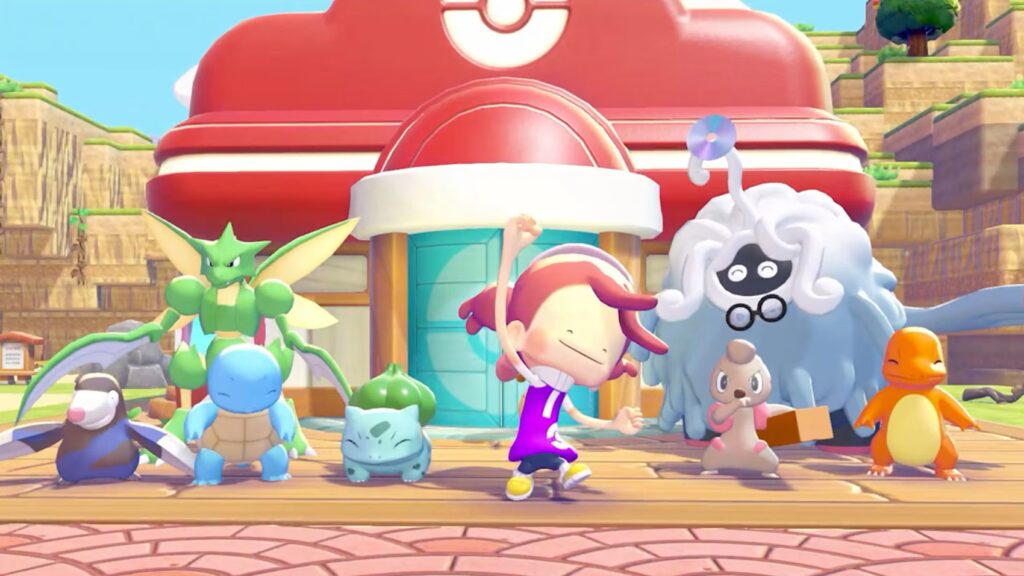
And in March, he said Pokémon Pokopia for Nintendo Switch 2 performed well in Japan and other regions, driving hardware sales. In light of these factors, he believes that Nintendo Switch 2 is entering its second year in good shape.
He said the initial sales forecast at 16.5 million units takes into account the current sales momentum, as well as the sales performance seen in the second year of past dedicated video game systems.
He said the pace of adoption of Nintendo Switch 2 is extremely fast even when compared to Nintendo Switch, and Nintendo does not see any particular concerns about its momentum at this time.
“The way that Pokémon Pokopia has contributed to hardware sales reaffirms our belief that the availability of software that people want to play is a key factor supporting the transition to Nintendo Switch 2. Going forward, we have many new titles for Nintendo Switch 2 prepared, and we will carefully convey the appeal of each title to encourage people to transition to Nintendo Switch 2 at their own pace. In that context, we will work to increase the Nintendo Switch 2 installed base over the medium to long term and increase software sales and the number of annual playing users,” Furukawa said.
But he noted the earnings forecast for the current fiscal year factors in approximately 100 billion yen due to the rising prices of components, particularly for memory chips, and the impact of tariffs on costs.
He noted that, as explained before, the rise in memory and other component prices did not have a major impact on the profitability of the hardware last fiscal year.
Furukawa added, “However, we forecast that prices will continue to rise, and we believe this will gradually put pressure on the profitability of the hardware from this fiscal year onward. We do not discuss any details concerning how we calculate the amount of impact, but based on our current sales plans and procurement situation, we calculated the impact of the rise in memory and other component prices and added to that the impact of tariffs on costs of goods sold to come up with the figure of approximately 100 billion yen.”
Regarding the recent $50 price increase in the U.S. and a similar bump in Europe for the Switch 2, Furukawa said the change in hardware pricing was not due to any one specific factor.
“Rather, the decision was made in light of various changes in the recent market conditions which we believe will have a medium- to long-term impact on the global outlook of our dedicated video game platform business,” he said.
Regarding Nintendo Switch 2, the basic approach to the dedicated video game platform business remains unchanged: first expand the hardware installed base, and then drive software sales. If the increase in costs were seen as something temporary that would subside relatively soon, then Nintendo could have pursued other options, such as working to improve productivity and expand the installed base while maintaining hardware prices.
“Unfortunately, the recent surge in memory and other component prices, and the changes in the market environment, including trends in the foreign exchange market and the price of oil, are all factors that we anticipate will continue over the medium to long term,” Furukawa said. “As a result, we felt that the profitability of our hardware would suffer significantly if we maintained our existing pricing, potentially impacting our business operations over this time frame. For the sustained growth of our dedicated video game platform business, it is important to maintain a healthy earnings structure for our overall business. For this reason, we made the difficult decision to reflect a portion of our costs
in the selling price.”
He said that the reason that the extent of the price revision differs from region to region is because each region is impacted to a different degree by the various changes in the market environment.
Regarding whether market conditions could force more price increases and their impact on units sold, he said, “I will not discuss the specifics of how this price revision could impact Nintendo Switch 2 sales, but we recognize that this raises the barrier for entry to a certain extent for people deciding whether to make a purchase.”
Still, he said the most important thing in Nintendo’s dedicated video game platform business is to offer engaging fun that is worth more than the price. Going forward, Nintendo and other software publishers plan to release a variety of titles, and Nintendo aims to expand the installed base by conveying that these titles offer new experiences unique to Nintendo Switch 2.”
 Credit: Nintendo He noted that uncertainties remain regarding future trends in component prices, and Nintendo recognizes that they could have an impact not only this year but next year as well. Nintendo will respond as needed.
One question focused on when Nintendo plans to launch its biggest games, at the beginning or later. Furukawa said that in the medium to long term, it’s important to continuously introduce appealing new titles to encourage consumers to choose Nintendo hardware.
“Looking at the history of our dedicated video game platform business, the release of major titles that were expected to drive hardware sales did in fact greatly increase hardware unit sales,” he said. “We believe that this trend will continue.
He pointed to the increase in Switch 2 sales following the release of Pokémon Pokopia
in March and the launch of the Nintendo Switch title Tomodachi Life: Living the Dream, released at the beginning of this fiscal year. About 40% of players on the Nintendo Switch 2 have that game.
“We believe that the release of these new titles has invigorated engagement on both hardware platforms,” he said. “While changes in the market environment have been factored into the financial projections for this fiscal year, our current sales are favorable as we enter the new fiscal year. Going forward, we will continue to work towards maintaining sales momentum by releasing a variety of titles.”
Regarding the health of the Pokémon Red and Green brand on its 30th anniversary, he said hardware bundled with Pokémon Legends: Z-A – Nintendo Switch 2 Edition sold well during the last holiday season, and Pokémon Pokopia, released in March, has seen favorable sales. This situation also seems to extend to the release of the new Pokémon Winds and Pokémon Waves titles in 2027, he added.
For Pokémon related titles, Pokémon FireRed and Pokémon LeafGreen, released as download-only titles in February, the cumulative sell-through was over four million units in the first six weeks. And Pokémon Pokopia, released in March, had global cumulative sell-through exceeding four million units in the first five weeks.
On the 30th anniversary of the release of Pokémon Red and Pokémon Green, the
Pokémon IP has become increasingly popular around the world and is in a very strong position, not only for the video games, but also for the card game, mobile apps, and other areas of the business, he said.
Furukawa said Pokémon Pokopia, which was released as a Nintendo Switch 2 title as part of the 30th anniversary, is driving hardware sales, and Nintendo hopes to see it become a new evergreen title for Nintendo Switch 2 with a long sales life.
While it would be ideal to release many new titles at regular intervals, Furukawa said it’s true that software development time has increased compared to before.
“Even so, we are taking various measures to adjust our development framework and processes so that there will be numerous titles for consumers to play on Nintendo Switch 2,” he said. “We are working on a variety of new titles for Nintendo Switch 2, and not just so-called major titles.”
For the lineup for the second half of this year, Nintendo is preparing new titles in addition to those it has already announced and will communicate the details at the appropriate time.
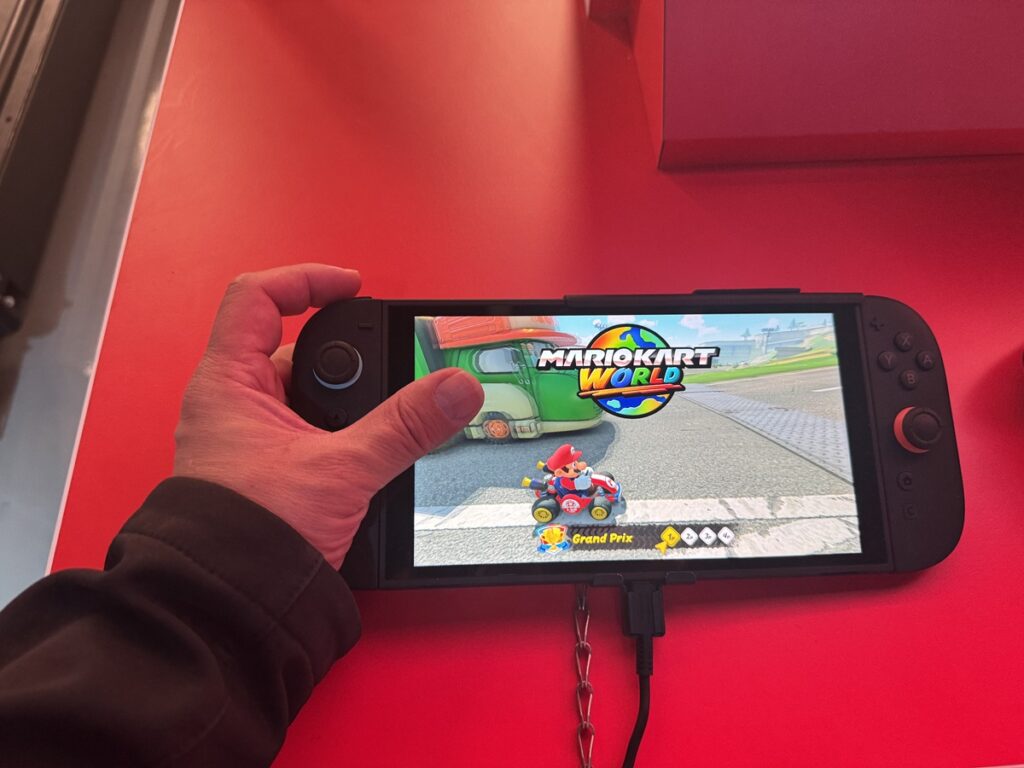 Mario Kart World is one of the big Switch 2 titles. Another question focused on whether Mario Kart World sales had slowed because its including in a hardware bundle concluded in December.
“While I will refrain from talking about the state of sales for individual titles, Mario Kart World is an important title that we would like to continue selling throughout the lifecycle of Nintendo Switch 2,” he said. “Going forward, we will continue to convey its appeal to consumers to expand its popularity as an evergreen title.”
He said it’simportant tto focus on expanding the entire software business, including
titles for both Nintendo Switch and Nintendo Switch 2, instead of focusing only on sales of Nintendo Switch 2 software.
The results for unit software sales last fiscal year included software bundled with hardware and other products, while the sales units forecast for this fiscal year does not include bundled software, Furukawa said.
Based on that premise, the software sales units forecast for this fiscal year was set at a level close to the total combined number of Nintendo Switch and Nintendo Switch 2 software units sold last fiscal year, excluding the bundled software units.
The post Nintendo says tariffs and memory chip prices could cost $700M | Q&A appeared first on GamesBeat.
Shuntaro Furukawa, president and representative director, offered the comments as part of a Q&A after it released its most recent financial report.
Despite the rising costs, Nintendo said in the call that it expects to ship 16.5 million Switch 2 hardware units in the fiscal year ending March 31, 2027.
Furukawa said, “When Nintendo Switch 2 was launched in June of last year, we worked to expand production capacity so the system was available to as many people as possible. In addition, we held Nintendo Switch 2 Experience events before the launch around the world, which generated consumer interest, and this also helped drive sales far beyond our expectations in that first fiscal year.”
He said the result was that sales through to the end of last fiscal year (ended March 2026) reached 19.86 million units, exceeding both initial forecast of 15 million units and the revised forecast of 19 million units, which was announced at the six months earnings report.
“That number of 19.86 million units in the first fiscal year was exceptionally high compared to our past hardware launches. This performance was supported by a variety of overlapping factors, including the fact that Nintendo Switch 2 launched while many people are still having fun playing Nintendo Switch, and the ability of Nintendo Switch 2 to play Nintendo Switch software helped make transition easier,” Furukawa said.
Shuntaro Furukawa is president of Nintendo. Source: Nintendo At the time of the nine months earnings release, Nintendo explained that while it had a strong holiday season in Japan, the results were weaker than expected in other parts of the world, particularly in Europe and the U.S. However, the release of Animal Crossing: New Horizons – Nintendo Switch 2 Edition and the free update for Animal Crossing: New Horizons in January boosted engagement for both Nintendo Switch and Nintendo Switch 2. And in March, he said Pokémon Pokopia for Nintendo Switch 2 performed well in Japan and other regions, driving hardware sales. In light of these factors, he believes that Nintendo Switch 2 is entering its second year in good shape.
He said the initial sales forecast at 16.5 million units takes into account the current sales momentum, as well as the sales performance seen in the second year of past dedicated video game systems.
He said the pace of adoption of Nintendo Switch 2 is extremely fast even when compared to Nintendo Switch, and Nintendo does not see any particular concerns about its momentum at this time.
“The way that Pokémon Pokopia has contributed to hardware sales reaffirms our belief that the availability of software that people want to play is a key factor supporting the transition to Nintendo Switch 2. Going forward, we have many new titles for Nintendo Switch 2 prepared, and we will carefully convey the appeal of each title to encourage people to transition to Nintendo Switch 2 at their own pace. In that context, we will work to increase the Nintendo Switch 2 installed base over the medium to long term and increase software sales and the number of annual playing users,” Furukawa said.
But he noted the earnings forecast for the current fiscal year factors in approximately 100 billion yen due to the rising prices of components, particularly for memory chips, and the impact of tariffs on costs.
He noted that, as explained before, the rise in memory and other component prices did not have a major impact on the profitability of the hardware last fiscal year.
Furukawa added, “However, we forecast that prices will continue to rise, and we believe this will gradually put pressure on the profitability of the hardware from this fiscal year onward. We do not discuss any details concerning how we calculate the amount of impact, but based on our current sales plans and procurement situation, we calculated the impact of the rise in memory and other component prices and added to that the impact of tariffs on costs of goods sold to come up with the figure of approximately 100 billion yen.”
Regarding the recent $50 price increase in the U.S. and a similar bump in Europe for the Switch 2, Furukawa said the change in hardware pricing was not due to any one specific factor.
“Rather, the decision was made in light of various changes in the recent market conditions which we believe will have a medium- to long-term impact on the global outlook of our dedicated video game platform business,” he said.
Regarding Nintendo Switch 2, the basic approach to the dedicated video game platform business remains unchanged: first expand the hardware installed base, and then drive software sales. If the increase in costs were seen as something temporary that would subside relatively soon, then Nintendo could have pursued other options, such as working to improve productivity and expand the installed base while maintaining hardware prices.
“Unfortunately, the recent surge in memory and other component prices, and the changes in the market environment, including trends in the foreign exchange market and the price of oil, are all factors that we anticipate will continue over the medium to long term,” Furukawa said. “As a result, we felt that the profitability of our hardware would suffer significantly if we maintained our existing pricing, potentially impacting our business operations over this time frame. For the sustained growth of our dedicated video game platform business, it is important to maintain a healthy earnings structure for our overall business. For this reason, we made the difficult decision to reflect a portion of our costs
in the selling price.”
He said that the reason that the extent of the price revision differs from region to region is because each region is impacted to a different degree by the various changes in the market environment.
Regarding whether market conditions could force more price increases and their impact on units sold, he said, “I will not discuss the specifics of how this price revision could impact Nintendo Switch 2 sales, but we recognize that this raises the barrier for entry to a certain extent for people deciding whether to make a purchase.”
Still, he said the most important thing in Nintendo’s dedicated video game platform business is to offer engaging fun that is worth more than the price. Going forward, Nintendo and other software publishers plan to release a variety of titles, and Nintendo aims to expand the installed base by conveying that these titles offer new experiences unique to Nintendo Switch 2.”
Credit: Nintendo He noted that uncertainties remain regarding future trends in component prices, and Nintendo recognizes that they could have an impact not only this year but next year as well. Nintendo will respond as needed. One question focused on when Nintendo plans to launch its biggest games, at the beginning or later. Furukawa said that in the medium to long term, it’s important to continuously introduce appealing new titles to encourage consumers to choose Nintendo hardware.
“Looking at the history of our dedicated video game platform business, the release of major titles that were expected to drive hardware sales did in fact greatly increase hardware unit sales,” he said. “We believe that this trend will continue.
He pointed to the increase in Switch 2 sales following the release of Pokémon Pokopia
in March and the launch of the Nintendo Switch title Tomodachi Life: Living the Dream, released at the beginning of this fiscal year. About 40% of players on the Nintendo Switch 2 have that game.
“We believe that the release of these new titles has invigorated engagement on both hardware platforms,” he said. “While changes in the market environment have been factored into the financial projections for this fiscal year, our current sales are favorable as we enter the new fiscal year. Going forward, we will continue to work towards maintaining sales momentum by releasing a variety of titles.”
Regarding the health of the Pokémon Red and Green brand on its 30th anniversary, he said hardware bundled with Pokémon Legends: Z-A – Nintendo Switch 2 Edition sold well during the last holiday season, and Pokémon Pokopia, released in March, has seen favorable sales. This situation also seems to extend to the release of the new Pokémon Winds and Pokémon Waves titles in 2027, he added.
For Pokémon related titles, Pokémon FireRed and Pokémon LeafGreen, released as download-only titles in February, the cumulative sell-through was over four million units in the first six weeks. And Pokémon Pokopia, released in March, had global cumulative sell-through exceeding four million units in the first five weeks.
On the 30th anniversary of the release of Pokémon Red and Pokémon Green, the
Pokémon IP has become increasingly popular around the world and is in a very strong position, not only for the video games, but also for the card game, mobile apps, and other areas of the business, he said.
Furukawa said Pokémon Pokopia, which was released as a Nintendo Switch 2 title as part of the 30th anniversary, is driving hardware sales, and Nintendo hopes to see it become a new evergreen title for Nintendo Switch 2 with a long sales life.
While it would be ideal to release many new titles at regular intervals, Furukawa said it’s true that software development time has increased compared to before.
“Even so, we are taking various measures to adjust our development framework and processes so that there will be numerous titles for consumers to play on Nintendo Switch 2,” he said. “We are working on a variety of new titles for Nintendo Switch 2, and not just so-called major titles.”
For the lineup for the second half of this year, Nintendo is preparing new titles in addition to those it has already announced and will communicate the details at the appropriate time.
Mario Kart World is one of the big Switch 2 titles. Another question focused on whether Mario Kart World sales had slowed because its including in a hardware bundle concluded in December. “While I will refrain from talking about the state of sales for individual titles, Mario Kart World is an important title that we would like to continue selling throughout the lifecycle of Nintendo Switch 2,” he said. “Going forward, we will continue to convey its appeal to consumers to expand its popularity as an evergreen title.”
He said it’simportant tto focus on expanding the entire software business, including
titles for both Nintendo Switch and Nintendo Switch 2, instead of focusing only on sales of Nintendo Switch 2 software.
The results for unit software sales last fiscal year included software bundled with hardware and other products, while the sales units forecast for this fiscal year does not include bundled software, Furukawa said.
Based on that premise, the software sales units forecast for this fiscal year was set at a level close to the total combined number of Nintendo Switch and Nintendo Switch 2 software units sold last fiscal year, excluding the bundled software units.
The post Nintendo says tariffs and memory chip prices could cost $700M | Q&A appeared first on GamesBeat.

Jat AI
Stay informed with the latest in artificial intelligence. Jat AI News Portal is your go-to source for AI trends, breakthroughs, and industry analysis. Connect with the community of technologists and business professionals shaping the future.