
![[Notice] Temporary Maintenance Oct 8 PDT / Oct 9 CEST](https://clan.akamai.steamstatic.com/images/46074831/acaf8855d3caa78719852fa866d8fae0245e46e7.png?#)














All The Dark Pictures Anthology games, ranked: Where does Directive 8020 place?
The Dark Pictures Anthology provides standalone interactive horror titles where choices matter and twists may make or break your experience. Seven years and five games to show, you can always be sure that a Dark Picture will throw tough choices your way. But which title is guaranteed to get your heart racing? Here's our ranking of The Dark Pictures Anthology so far. This ranking doesn't include Until Dawn (we all know where it would place if it did), The Quarry, or The Casting of Frank Stone, as they're not part of Dark Pictures.5) The Devil in Me Image by Supermassive Games If Ryan Murphy made a video game, it'd be The Devil in Me. It used the nostalgia of a slasher to reel in an audience before switching over to another timeline, where it'd take a while before things escalated again. The lack of memorable characters, its slow pacing, and bland storytelling that looked to glorify a real serial killer made Devil in Me such a difficult game to play through. It had some interesting ideas and greatly improved on exploration in earlier titles; i.e., giving each character a plot device that offered a new gameplay mechanic.. Where The Devil in Me became insufferable to me was its decision to make every choice a matter of who had what item and when. Trial and error never felt more prevalent in a Dark Picture. It's much like Casting of Frank Stone, which punished you for guessing wrong at times when you weren't even in danger. The entire game felt like a gory show—a torture chamber of deaths that wanted to see just how many ways they could kill their inconsequential characters.4) Man of Medan Image by Supermassive Games Man of Medan had a classic horror movie setting: A haunted ship. You can't go wrong really. But, somehow, for the first Dark Pictures title, it did. Even though this game came after Until Dawn (having the formula for what made this game a smash hit in the palm of their hands), they fumbled two crucial components. Man of Medan had boring characters and a weak atmosphere. Its jumpscare-heavy entrance into a slow-paced story made it a difficult title to invest in. Similar to Little Hope, the biggest problem was its reveal. Man of Medan focused more on the psychological than the supernatural (though you could make the case that it was more about the latter). The ghosts certainly seemed to try to scare you until the narrative took a 180, which hugely altered our perception of what we just played through, to its detriment. A basic walking sim with an overreliance on jumpscares, Man of Medan is the weakest (not worst) entry, which makes sense as it's the first Dark Picture.3) Little Hope Image by Supermassive Games Little Hope was...an interesting time. What started as a trippy time-warping entry that threw you into multiple timelines became all the more confusing by the time the credits rolled. Its focus was the coven and three timelines, bringing the cast together in more ways than one. This entry felt as if American Horror Story: Coven wasn't designed like a soap opera. Sure, it had campy and infuriating characters that didn't get much better as time went on, but Little Hope included what was by far the most interesting mechanic to go hand-in-hand with Dark Pictures' personality trait menu. Choices mattered both in the short- and long-term, where your character was molded based on your decisions, and their fate determined by it. This Dark Picture was at its scariest when taken at face value. Similar to Directive 8020, character traits played a pivotal role in the endings, yet there was one big problem. Whether the characters lived or died didn't matter, for the reveal was so bad that it could inspire a new M. Night Shyamalan movie. And if there's anything we've learned from him, it's that twists aren't always needed.2) Directive 8020 Screenshot by Destructoid A sci-fi adventure that takes inspiration from The Thing and Alien, Directive 8020 takes elements from its predecessors and polishes them to near perfection. Problems arise from its clumsy narrative that successfully hides the answer to its greatest mystery, ensuring you won't figure it out until they've got you right where they want you. While Directive 8020 plays it safe with their likable cast, the lack of character arcs, and ridiculous notion to try and make repetitive stealth gameplay appealing, weakened a title that had the potential to go head-to-head against the titan that is Until Dawn. Replayability is at its highest, and while the game's conclusions are Christopher Nolan-worthy, it sadly lets itself down in its execution. It's great that Supermassive Games are switching things up and being experimental, but stealth isn't the right play in an interactive horror that's supposed to build tension to instill fear.1) House of Ashes Image by Supermassive Games House of Ashes stands above the rest as the best Dark Picture. While the supernatural makes its grand entrance, this entry is action-packed with fantastic character arcs and a whole lo
The Dark Pictures Anthology provides standalone interactive horror titles where choices matter and twists may make or break your experience.
Seven years and five games to show, you can always be sure that a Dark Picture will throw tough choices your way. But which title is guaranteed to get your heart racing? Here's our ranking of The Dark Pictures Anthology so far.
This ranking doesn't include Until Dawn (we all know where it would place if it did), The Quarry, or The Casting of Frank Stone, as they're not part of Dark Pictures.
5) The Devil in Me
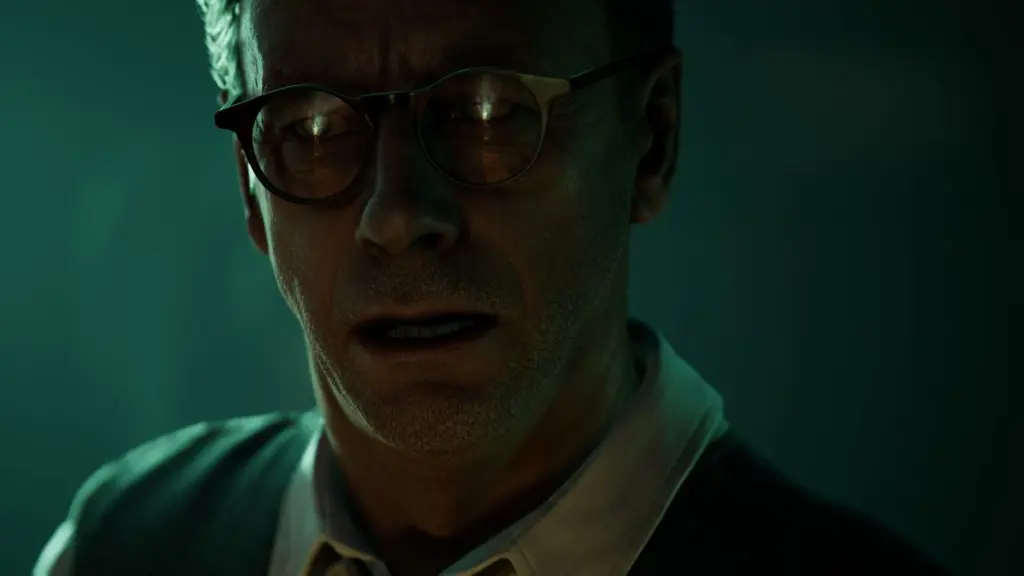 Image by Supermassive Games If Ryan Murphy made a video game, it'd be The Devil in Me. It used the nostalgia of a slasher to reel in an audience before switching over to another timeline, where it'd take a while before things escalated again. The lack of memorable characters, its slow pacing, and bland storytelling that looked to glorify a real serial killer made Devil in Me such a difficult game to play through. It had some interesting ideas and greatly improved on exploration in earlier titles; i.e., giving each character a plot device that offered a new gameplay mechanic..
Where The Devil in Me became insufferable to me was its decision to make every choice a matter of who had what item and when. Trial and error never felt more prevalent in a Dark Picture. It's much like Casting of Frank Stone, which punished you for guessing wrong at times when you weren't even in danger. The entire game felt like a gory show—a torture chamber of deaths that wanted to see just how many ways they could kill their inconsequential characters.
4) Man of Medan
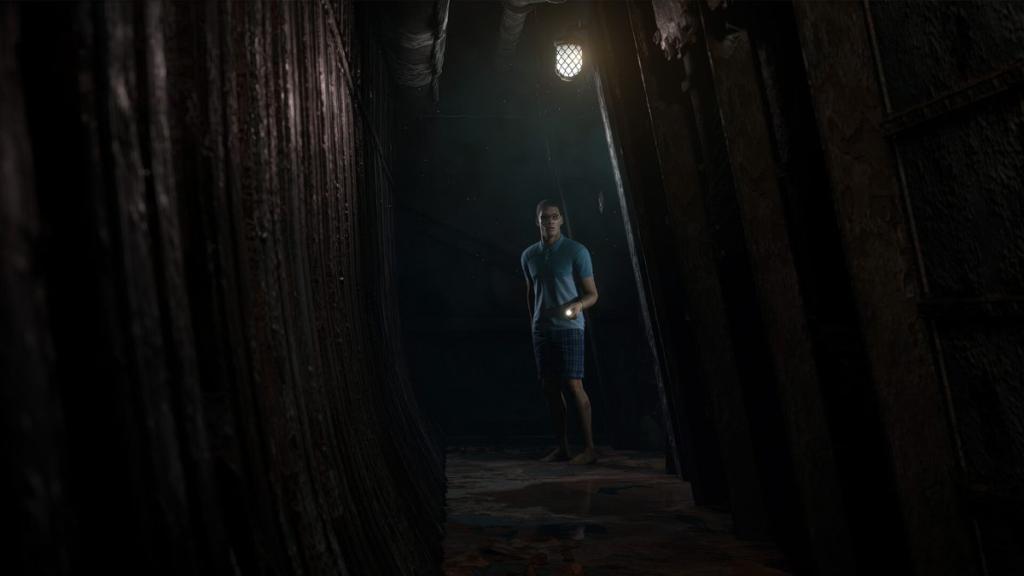 Image by Supermassive Games Man of Medan had a classic horror movie setting: A haunted ship. You can't go wrong really. But, somehow, for the first Dark Pictures title, it did. Even though this game came after Until Dawn (having the formula for what made this game a smash hit in the palm of their hands), they fumbled two crucial components. Man of Medan had boring characters and a weak atmosphere. Its jumpscare-heavy entrance into a slow-paced story made it a difficult title to invest in.
Similar to Little Hope, the biggest problem was its reveal. Man of Medan focused more on the psychological than the supernatural (though you could make the case that it was more about the latter). The ghosts certainly seemed to try to scare you until the narrative took a 180, which hugely altered our perception of what we just played through, to its detriment. A basic walking sim with an overreliance on jumpscares, Man of Medan is the weakest (not worst) entry, which makes sense as it's the first Dark Picture.
3) Little Hope
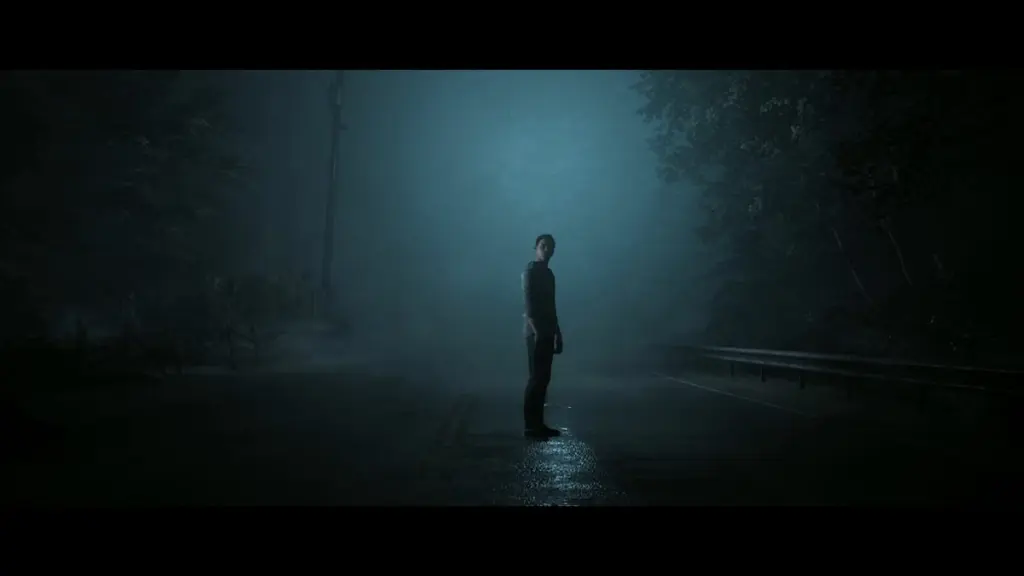 Image by Supermassive Games Little Hope was...an interesting time. What started as a trippy time-warping entry that threw you into multiple timelines became all the more confusing by the time the credits rolled. Its focus was the coven and three timelines, bringing the cast together in more ways than one. This entry felt as if American Horror Story: Coven wasn't designed like a soap opera. Sure, it had campy and infuriating characters that didn't get much better as time went on, but Little Hope included what was by far the most interesting mechanic to go hand-in-hand with Dark Pictures' personality trait menu.
Choices mattered both in the short- and long-term, where your character was molded based on your decisions, and their fate determined by it. This Dark Picture was at its scariest when taken at face value. Similar to Directive 8020, character traits played a pivotal role in the endings, yet there was one big problem. Whether the characters lived or died didn't matter, for the reveal was so bad that it could inspire a new M. Night Shyamalan movie. And if there's anything we've learned from him, it's that twists aren't always needed.
2) Directive 8020
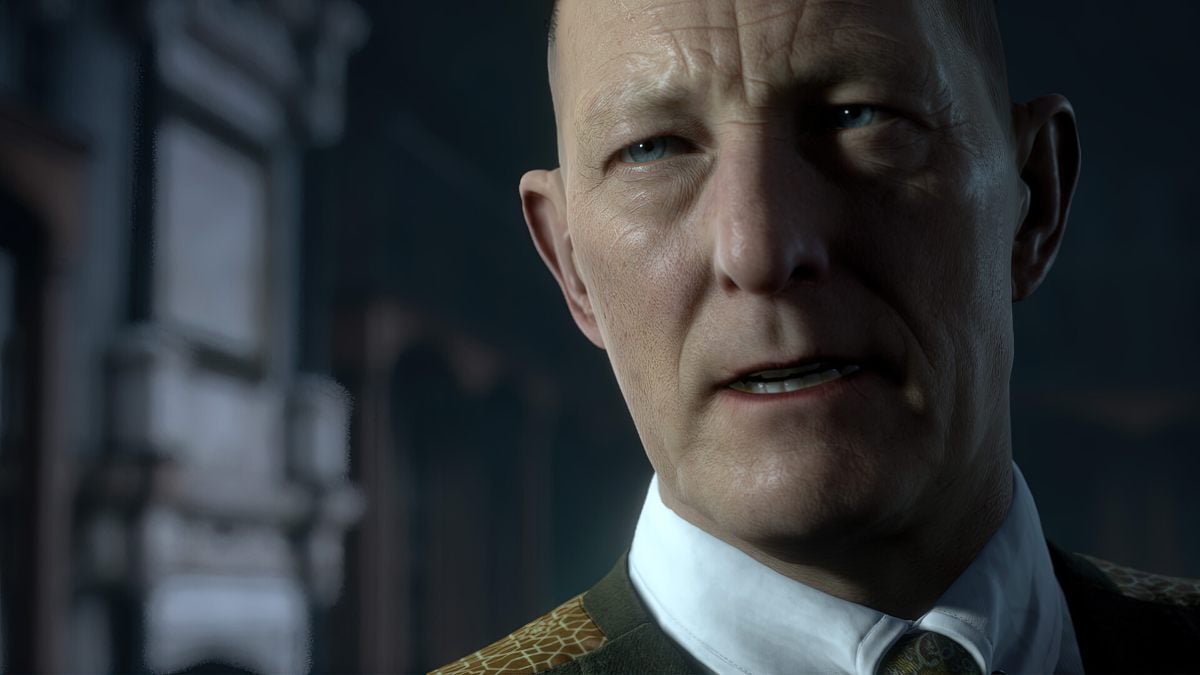
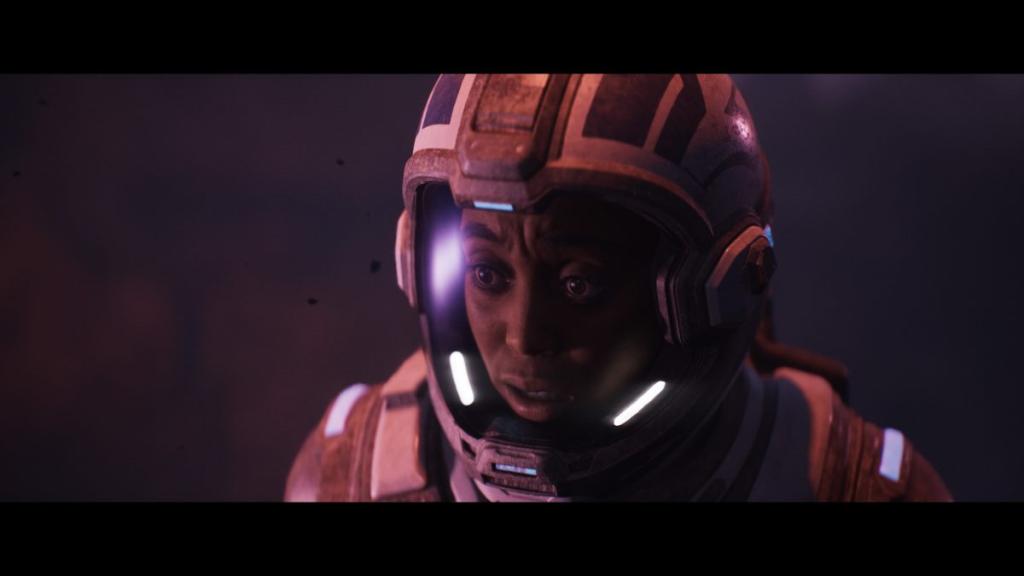 Screenshot by Destructoid A sci-fi adventure that takes inspiration from The Thing and Alien, Directive 8020 takes elements from its predecessors and polishes them to near perfection. Problems arise from its clumsy narrative that successfully hides the answer to its greatest mystery, ensuring you won't figure it out until they've got you right where they want you.
 While Directive 8020 plays it safe with their likable cast, the lack of character arcs, and ridiculous notion to try and make repetitive stealth gameplay appealing, weakened a title that had the potential to go head-to-head against the titan that is Until Dawn. Replayability is at its highest, and while the game's conclusions are Christopher Nolan-worthy, it sadly lets itself down in its execution. It's great that Supermassive Games are switching things up and being experimental, but stealth isn't the right play in an interactive horror that's supposed to build tension to instill fear.
1) House of Ashes
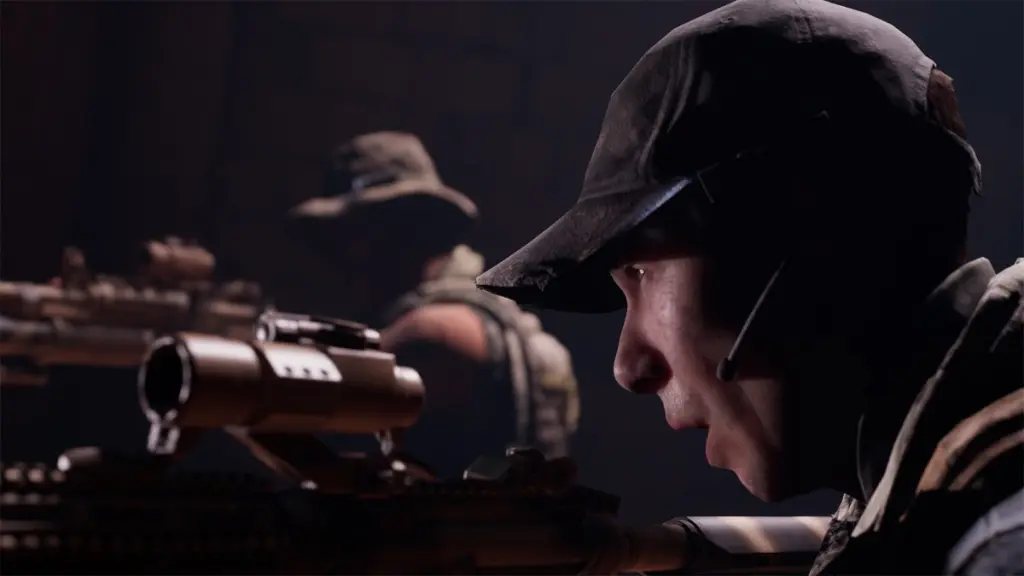 Image by Supermassive Games House of Ashes stands above the rest as the best Dark Picture. While the supernatural makes its grand entrance, this entry is action-packed with fantastic character arcs and a whole lot of bloody chaos. Paced like a blockbuster, House of Ashes is the spectacle of season one and feels most similar to Until Dawn with its cinematic atmosphere and how the narrative is handled in an addictive and satisfying manner.
House of Ashes blends a hyper-realistic setting of a military shooter—a throwback to Battlefield Bad Company and Call of Duty: Modern Warfare—with realistic dialogue and flawed characters pitted against an otherworldly nightmare. Until Dawn set the impossibly high standard with its decision-making and reactive gameplay, but House of Ashes is the closest we've ever had to reaching the same heights. A more folklore and alien take on vampires, House of Ashes has everything you could possibly need in a horror title that plays like a movie.
Dark Pictures Anthology games in chronological order
Season one
Game
Release Date
Characters
Subgenre
Man of Medan
August 30th, 2019
Alex
Brad
Conrad
Fliss
Julia
Brad
Conrad
Fliss
Julia
Paranormal
Little Hope
October 30, 2020
Andrew
Angela
Daniel
John
Taylor
Angela
Daniel
John
Taylor
Supernatural
House of Ashes
October 22, 2021
Eric
Jason
Nick
Rachel
Salim
Jason
Nick
Rachel
Salim
Alien
The Devil in Me
November 18, 2022
Charlie
Erin
Jamie
Kate
Mark
Erin
Jamie
Kate
Mark
Slasher
Season two
Game
Release Date
Characters
Subgenre
Directive 8020
May 12, 2026
Cernan
Cooper
Eisele
Stafford
Young
Cooper
Eisele
Stafford
Young
Alien

Jat AI
Stay informed with the latest in artificial intelligence. Jat AI News Portal is your go-to source for AI trends, breakthroughs, and industry analysis. Connect with the community of technologists and business professionals shaping the future.