


















The Secretlab Atlas is a better desk chair than the Titan Evo, and it's not even close
Back in March of 2024, I received a press release from Secretlab. The brand, having just reached its 3 millionth customer, issued a statement from one of its CEOs. "We don’t make 'gaming chairs'", it read. "Our design mentality is that we design chairs suited for long hours of gaming and other activities. Hence, our design philosophy is starkly different from most 'gaming chairs' on the market", said Ian Ang. I must admit, when I read that, I scoffed. Secretlab is maybe the brand most synonymous on planet earth for making gaming chairs, so to claim that's never been the focus felt a tad silly. It's a company with inextricable links to gaming, from licensed gaming designs of its products to its co-founders forming a friendship through a love of games. I've now been fortunate enough to meet Ian and his fellow CEO, Alaric, and what's become clear to me is that the statements made in that press release match up far more with where the company was headed, not where it's been. Secretlab isn't satisfied with just the gaming market, and looking back now, that 3 million customer statement was really just a long-term teaser for what was to come. The Atlas isn't designed for gaming. It's a productivity chair aimed purely at focused, ergonomic desk work. There are no licensed colorways of your favorite games; there's no library of ergonomic add-ons and improvements. This is a classy, modernized, almost Scandinavian-esque desk chair that's taking a very different approach from the Titan Evo. And I couldn't be happier about that. I've sat in the Atlas for just under a month now, and ironically, I think despite its attempts to steer clear of gamers, it's a better gaming chair than its flagship sibling. What's more, I'm no longer scoffing at Ian's 2024 comments because whether you're gaming, working, or something else, the Atlas is a great place to sit. Design & Features (Image credit: Future / Duncan Robertson) I'm sure your eyebrows are probably pushing their way down your forehead right now. How can a chair that has no design and feature set geared toward gaming be a better gaming seat than one of the most popular thrones for gamers on the market? Well, I actually think Secretlab was onto something with that statement back in 2024. Ever since, the boundaries between gaming chairs and office chairs have been blurring, especially when it comes to "ergonomic" ones. Gaming chairs and their increased adjustability have bled into the office chair market, and vice versa. Most of the Atlas's rivals in the gaming space will sport mesh backing, for example, which is a direct pull from office chairs. (Image credit: Future / Duncan Robertson) Secretlab has steered away from that convention with the design of the Atlas, because there's no mesh involved here. Having spoken at length with Secretlab's executive head of product development & industrial design and its CEOs, I find myself on the same page as them. Mesh chairs always feel like less of a product that you pay more money for, and I'm so glad they didn't opt for it here. Instead, what we have is a leaner chair than the Titan Evo, but one that still uses the brand's signature upholstery and proprietary foam cushioning to support your posture into healthier positions. It reminds me of the fabric versions of the Fractal Refine. There's a less-is-more approach to backrest cushioning that you don't quite sink into, but it's enough for you to know it's there. It's supportive, comfortable, but not indulgent - kind of ideal for a chair that wants to improve your posture and wellbeing. The Atlas is available in two main models, each with the brand's leatherette and Softweave materials in various colors. The base version will set you back $499 / £399, but the NanoGen premium versions will cost you $699 / £599. There are no officially licensed colorways of the Atlas, nor any Skins for it, like there are for the Titan Evo. It's unclear from talking to the folks at Secretlab if this is something they have planned in the future, or whether they'd prefer to let the Atlas stand alone as a less-nerdy and more classy aesthetic offering. Future / Duncan Robertson Future / Duncan Robertson Similarly, there's no compatibility here with Secretlab's chair add-ons. The design here is fundamentally different from the Titan Evo, so it's understandable that making those add-ons compatible would have been a step too far, binding Secretlab to a similar design to its flagship. Given how the company has built on the Titan Evo with an entire ecosystem of add-ons, it wouldn't surprise me in the slightest if we saw separate add-ons for the Atlas in the future. Only time will tell, but during assembly, I did spy some unused screwholes in the seat base, and these may just be futureproofing for Vincent Sin, the aforementioned head of product development, to create some new add-ons with. The Atlas strips back on some adjustability and features compared to the Titan Evo. 4D armrests take a drop down to 3D
 Back in March of 2024, I received a press release from Secretlab. The brand, having just reached its 3 millionth customer, issued a statement from one of its CEOs. "We don’t make 'gaming chairs'", it read. "Our design mentality is that we design chairs suited for long hours of gaming and other activities. Hence, our design philosophy is starkly different from most 'gaming chairs' on the market", said Ian Ang.
 I must admit, when I read that, I scoffed. Secretlab is maybe the brand most synonymous on planet earth for making gaming chairs, so to claim that's never been the focus felt a tad silly. It's a company with inextricable links to gaming, from licensed gaming designs of its products to its co-founders forming a friendship through a love of games. I've now been fortunate enough to meet Ian and his fellow CEO, Alaric, and what's become clear to me is that the statements made in that press release match up far more with where the company was headed, not where it's been. Secretlab isn't satisfied with just the gaming market, and looking back now, that 3 million customer statement was really just a long-term teaser for what was to come.
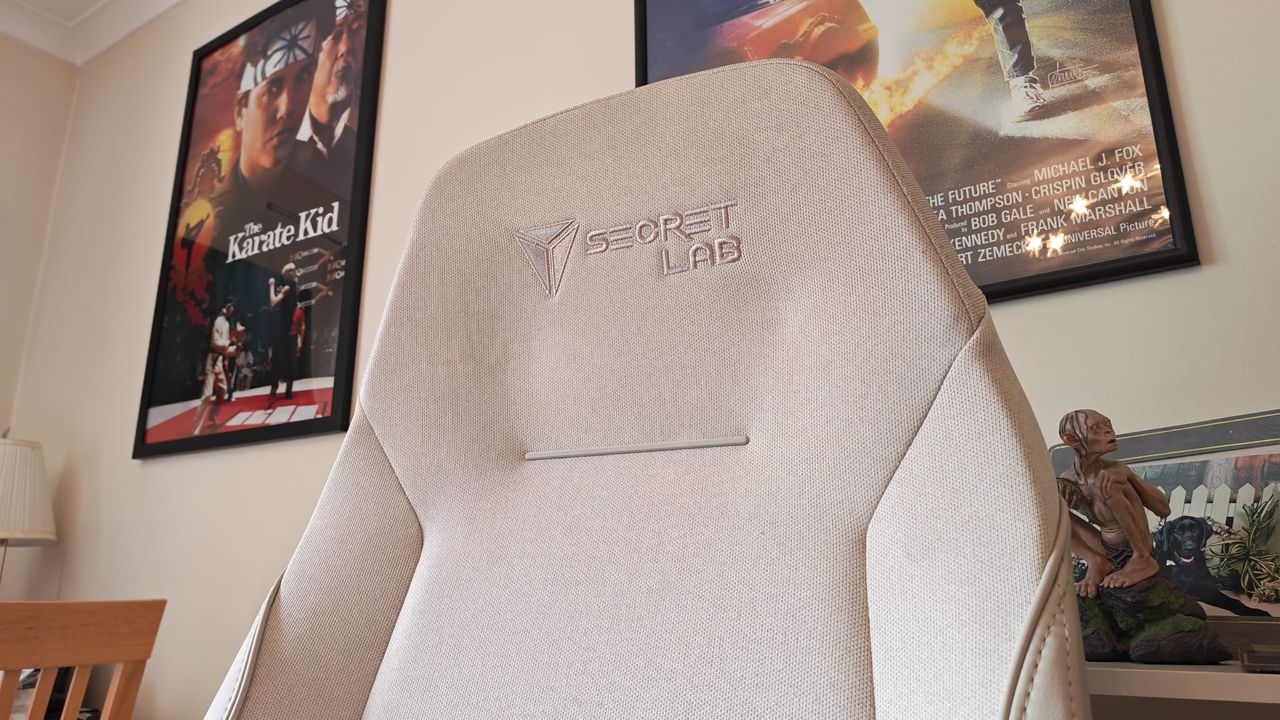
The Atlas isn't designed for gaming. It's a productivity chair aimed purely at focused, ergonomic desk work. There are no licensed colorways of your favorite games; there's no library of ergonomic add-ons and improvements. This is a classy, modernized, almost Scandinavian-esque desk chair that's taking a very different approach from the Titan Evo. And I couldn't be happier about that. I've sat in the Atlas for just under a month now, and ironically, I think despite its attempts to steer clear of gamers, it's a better gaming chair than its flagship sibling. What's more, I'm no longer scoffing at Ian's 2024 comments because whether you're gaming, working, or something else, the Atlas is a great place to sit.
Design & Features
(Image credit: Future / Duncan Robertson) I'm sure your eyebrows are probably pushing their way down your forehead right now. How can a chair that has no design and feature set geared toward gaming be a better gaming seat than one of the most popular thrones for gamers on the market? Well, I actually think Secretlab was onto something with that statement back in 2024.
Ever since, the boundaries between gaming chairs and office chairs have been blurring, especially when it comes to "ergonomic" ones. Gaming chairs and their increased adjustability have bled into the office chair market, and vice versa. Most of the Atlas's rivals in the gaming space will sport mesh backing, for example, which is a direct pull from office chairs.
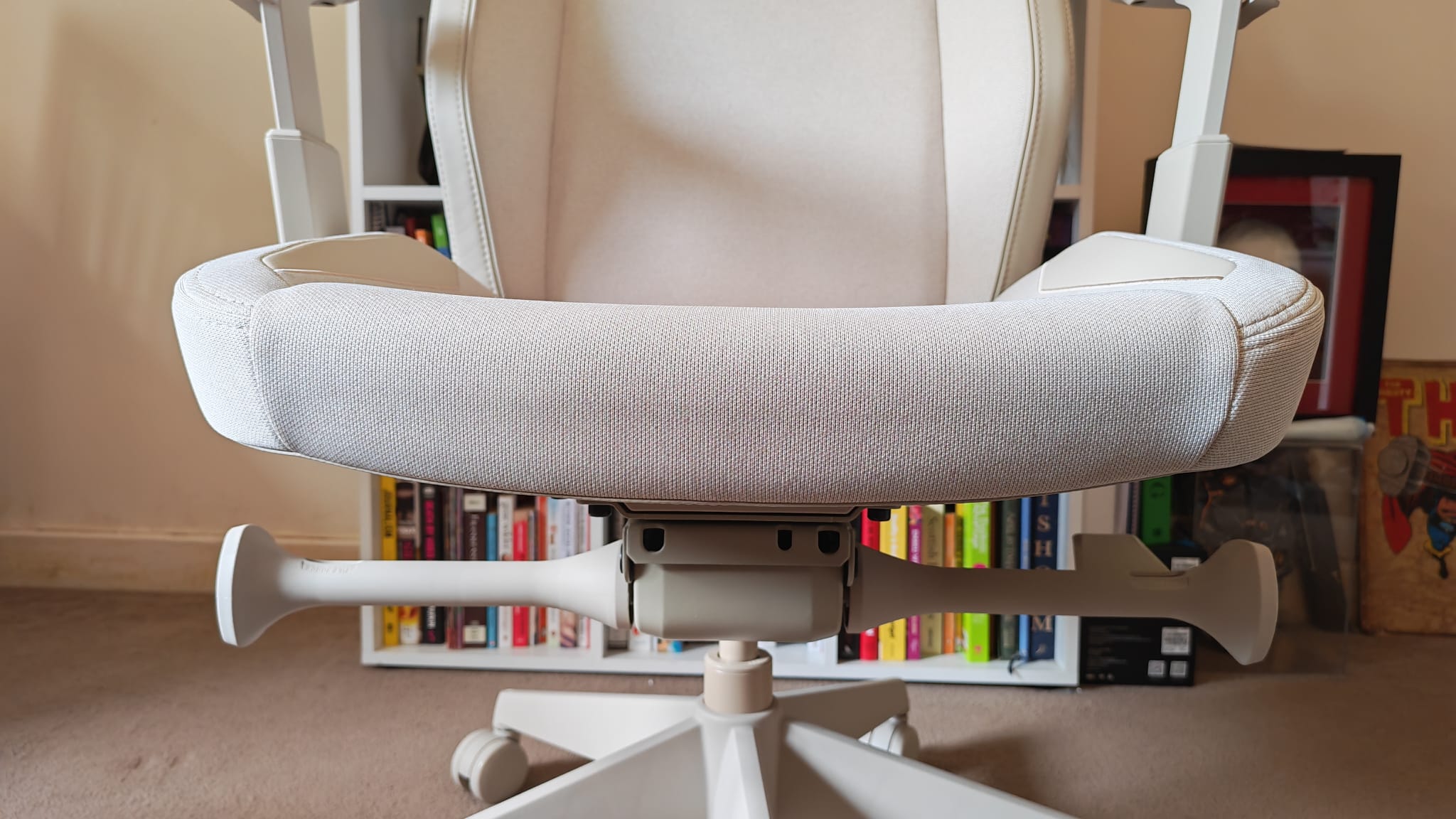
(Image credit: Future / Duncan Robertson) Secretlab has steered away from that convention with the design of the Atlas, because there's no mesh involved here. Having spoken at length with Secretlab's executive head of product development & industrial design and its CEOs, I find myself on the same page as them. Mesh chairs always feel like less of a product that you pay more money for, and I'm so glad they didn't opt for it here.
Instead, what we have is a leaner chair than the Titan Evo, but one that still uses the brand's signature upholstery and proprietary foam cushioning to support your posture into healthier positions. It reminds me of the fabric versions of the Fractal Refine. There's a less-is-more approach to backrest cushioning that you don't quite sink into, but it's enough for you to know it's there. It's supportive, comfortable, but not indulgent - kind of ideal for a chair that wants to improve your posture and wellbeing.
The Atlas is available in two main models, each with the brand's leatherette and Softweave materials in various colors. The base version will set you back $499 / £399, but the NanoGen premium versions will cost you $699 / £599. There are no officially licensed colorways of the Atlas, nor any Skins for it, like there are for the Titan Evo. It's unclear from talking to the folks at Secretlab if this is something they have planned in the future, or whether they'd prefer to let the Atlas stand alone as a less-nerdy and more classy aesthetic offering.
 Future / Duncan Robertson
  Future / Duncan Robertson Similarly, there's no compatibility here with Secretlab's chair add-ons. The design here is fundamentally different from the Titan Evo, so it's understandable that making those add-ons compatible would have been a step too far, binding Secretlab to a similar design to its flagship. Given how the company has built on the Titan Evo with an entire ecosystem of add-ons, it wouldn't surprise me in the slightest if we saw separate add-ons for the Atlas in the future. Only time will tell, but during assembly, I did spy some unused screwholes in the seat base, and these may just be futureproofing for Vincent Sin, the aforementioned head of product development, to create some new add-ons with.
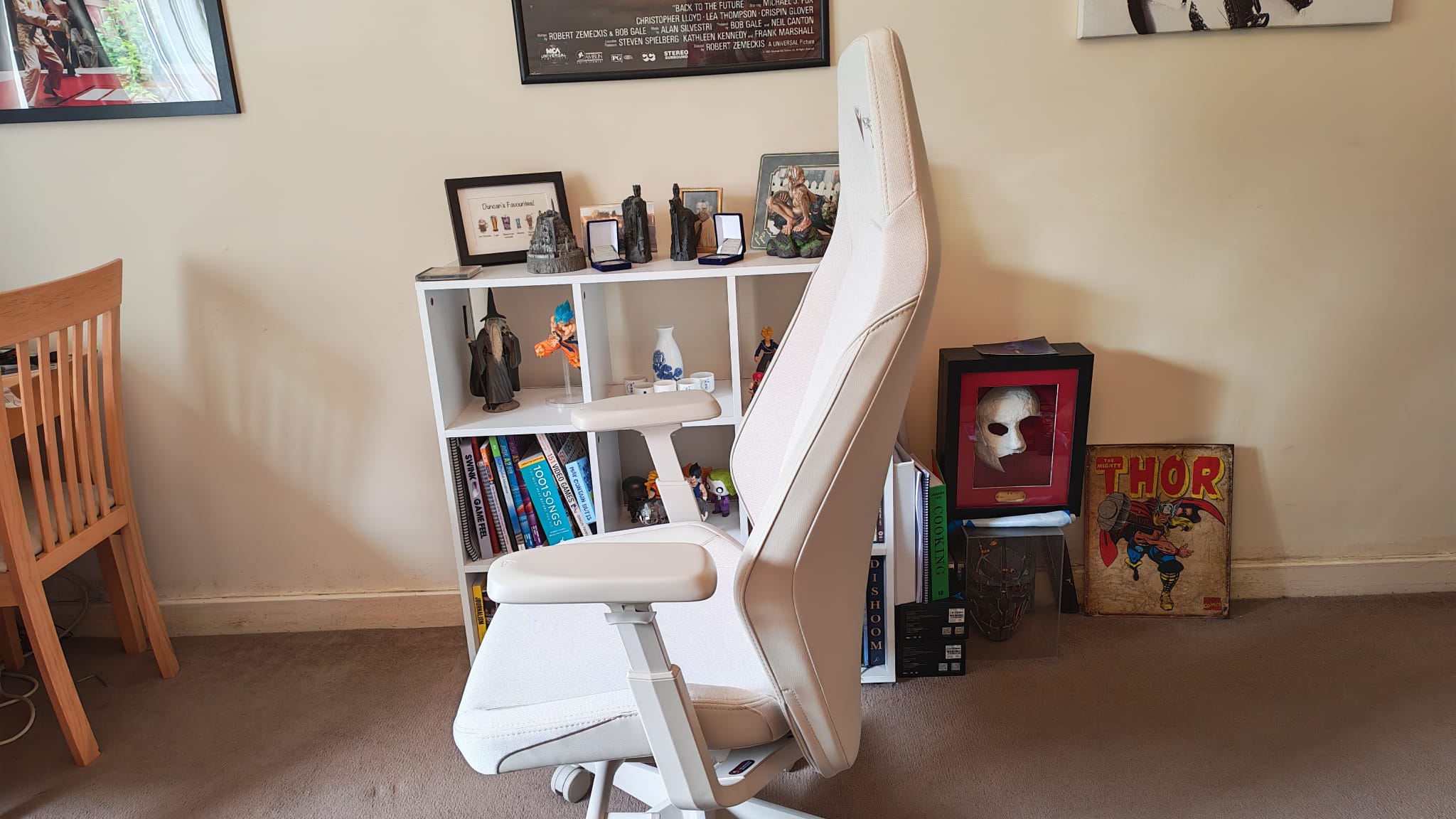
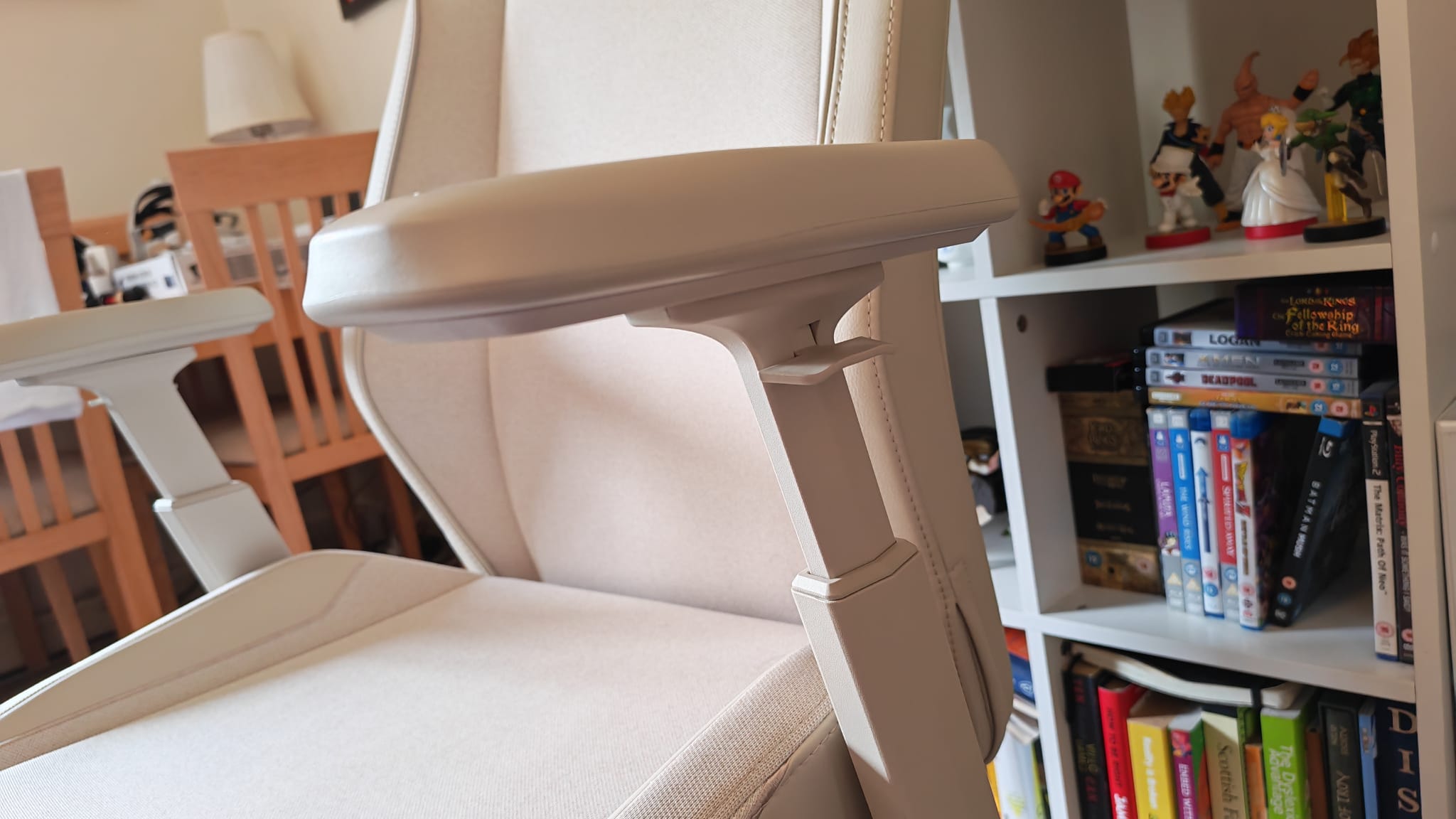
The Atlas strips back on some adjustability and features compared to the Titan Evo. 4D armrests take a drop down to 3D, losing out on their ability to slide to a narrower or wider setting. Fully adjustable lumbar scrollwheels are replaced by a Re-curve backrest designed to fit a median of body shapes. Full recline is substituted for a synchronous tilt mechanism that shifts the armrests back one degree for every two degrees the backrest tilts back.
Elsewhere, you have a clever recline tension mechanism which almost in itself gives you four recline settings, but a locking catch means you can set the backrest in any position that works for you. You also get seat depth adjustment, which may help you to sink into a chair that really encourages you to stay upright.
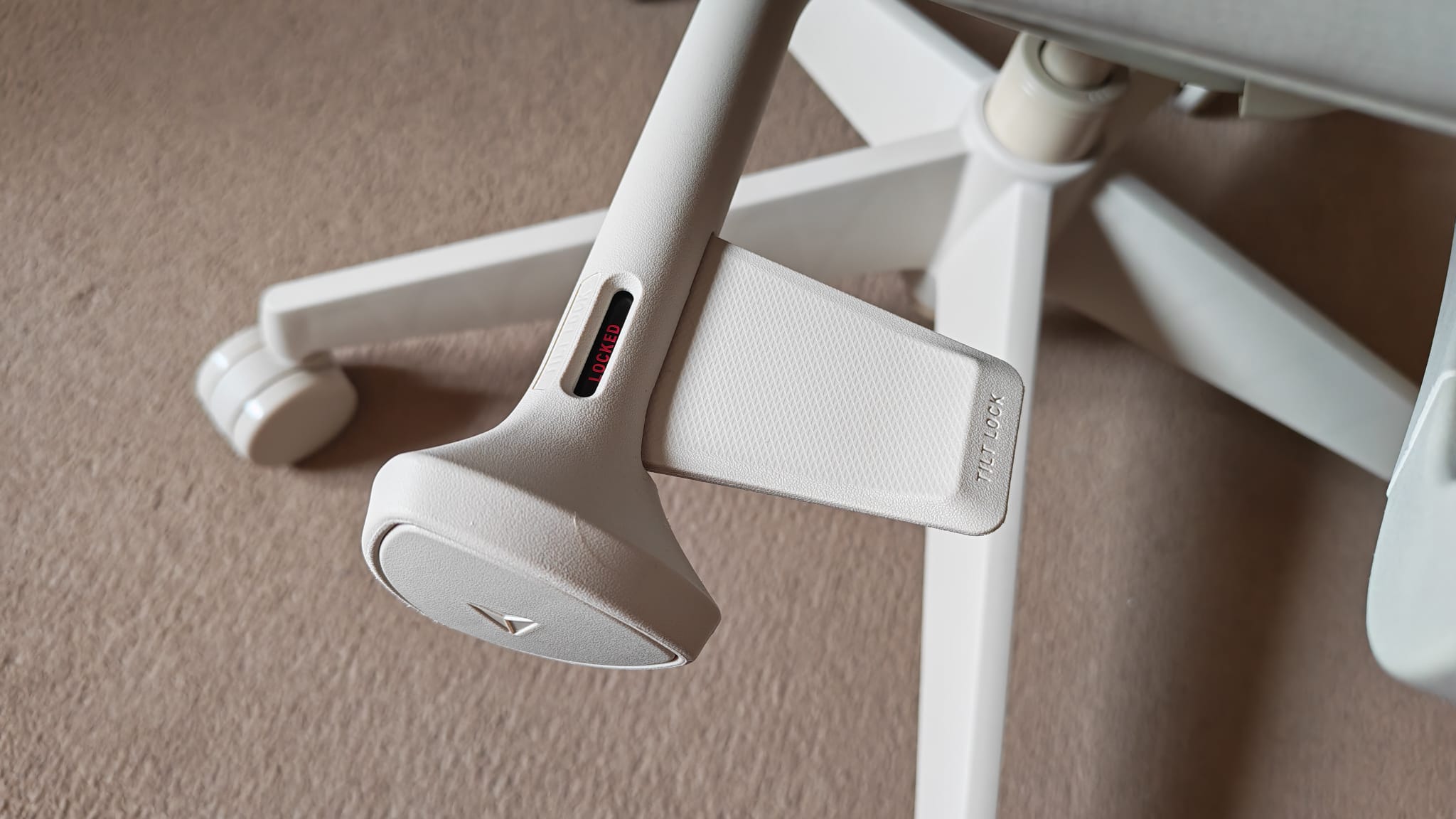
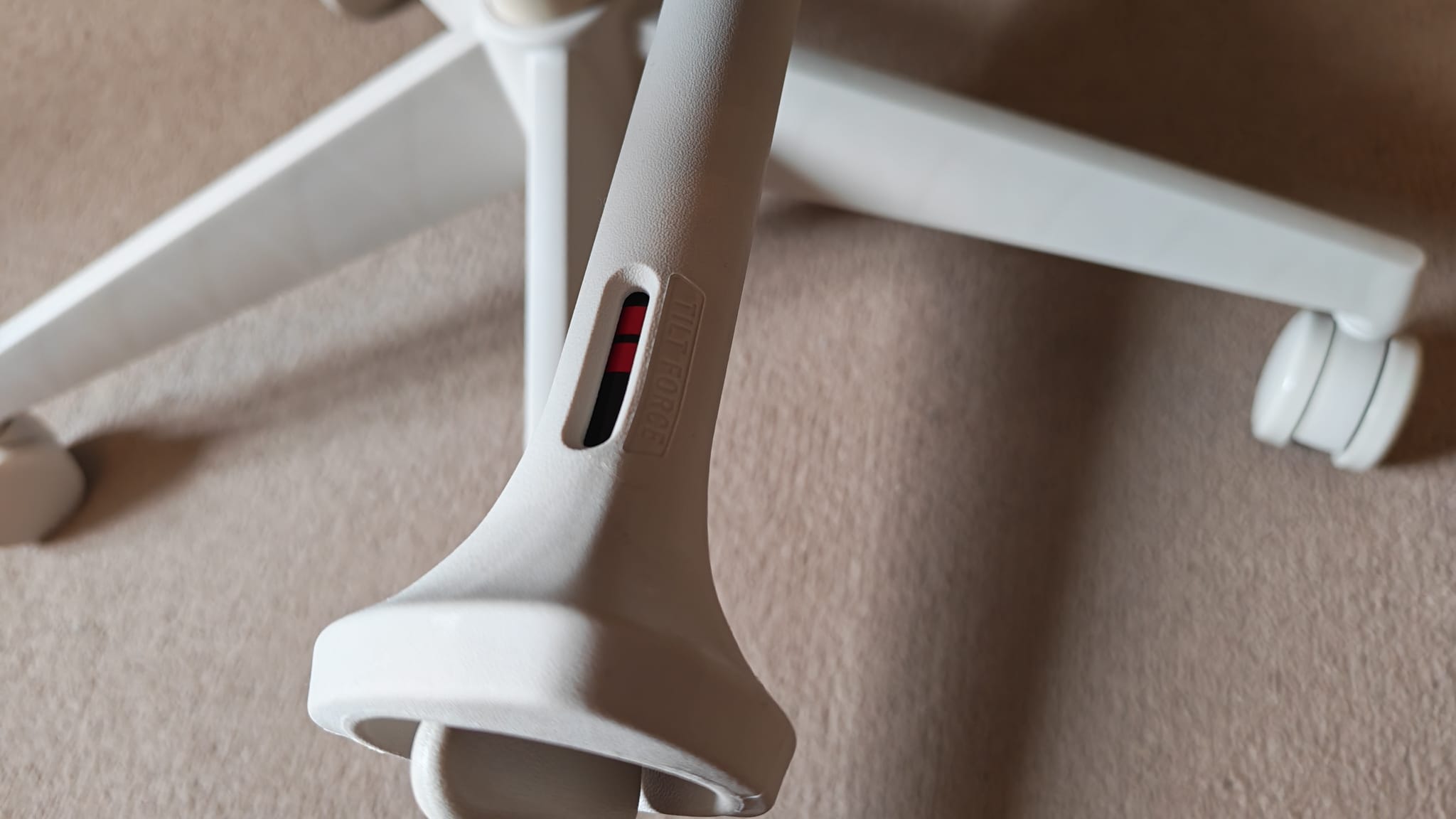
(Image credit: Future / Duncan Robertson) One thing I'd really like to applaud is the design work that went into the controls for the Atlas. There are really excellent, small bits of visual feedback to communicate to the user what tilt tension they're at or if their recline is locked or unlocked. From a tour of Secretlab's office, I've seen first-hand the buckets full of 3D-printed prototypes to get this exactly right. It's something chairs constantly neglect, but having it makes a massive difference because it's easier to distinguish what the various levers do and how you should use them. Having spoken to people who aren't as clued up about what gaming chair controls do, I know that if people don't understand them, they don't use them, so Secretlab's tireless effort in this respect could help ensure you get the most out of the Atlas.
The entire design ethos of the chair is visually distinct, but the top of the backrest in particular has a really alluring angle to it. Its inward curve and head panel aren't as pronounced as they look at first glance, but the way the shoulders only gently wrap around you means you aren't inspired to slouch inward. Overall, the Atlas has a taller, distinct look that's really grown on me. The Dune and Dune+ colorways, in particular, are absolutely beautiful and look right at home in a WFH or classy gaming space.
Assembly
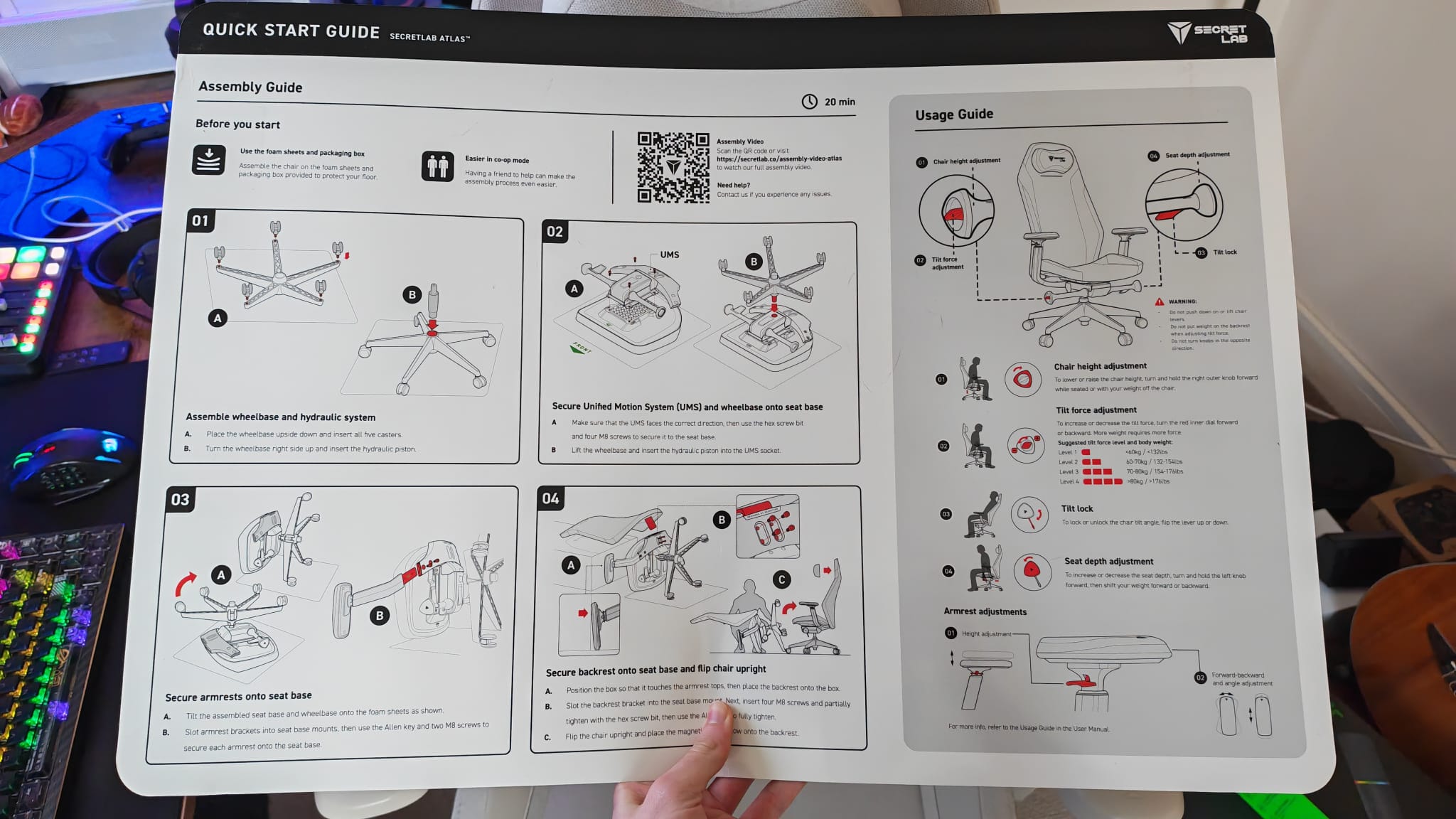
(Image credit: Future / Duncan Robertson) In true Secretlab fashion, assembly of the Atlas was pretty painless. The brand is always good at providing videos and a big placard in the box telling you the steps to follow. It also provides the tools you need in a handy little box. The first thing I noticed when unpacking all of the separated elements of the Atlas was how light they all were. I always assemble the chairs I test solo, and having built a couple of Titan Evos, I can tell you they're easy to assemble, but their parts are on the heavier side.
With the Atlas, the seatbase, the backrest, and all of the separate parts are much easier to grab out of the box if you're a building party of one. It makes for an easy assembly because there aren't hefty bits you need to wrestle into position at awkward angles.
(Image credit: Future / Duncan Robertson) I'd say the Atlas takes a tad longer to put together than the Titan Evo, but I'm not sure that's a fair comparison, seeing as the Evo has been around for so long now and Secretlab has had a lot of time to work out the quickest and easiest ways to get that thing assembled.
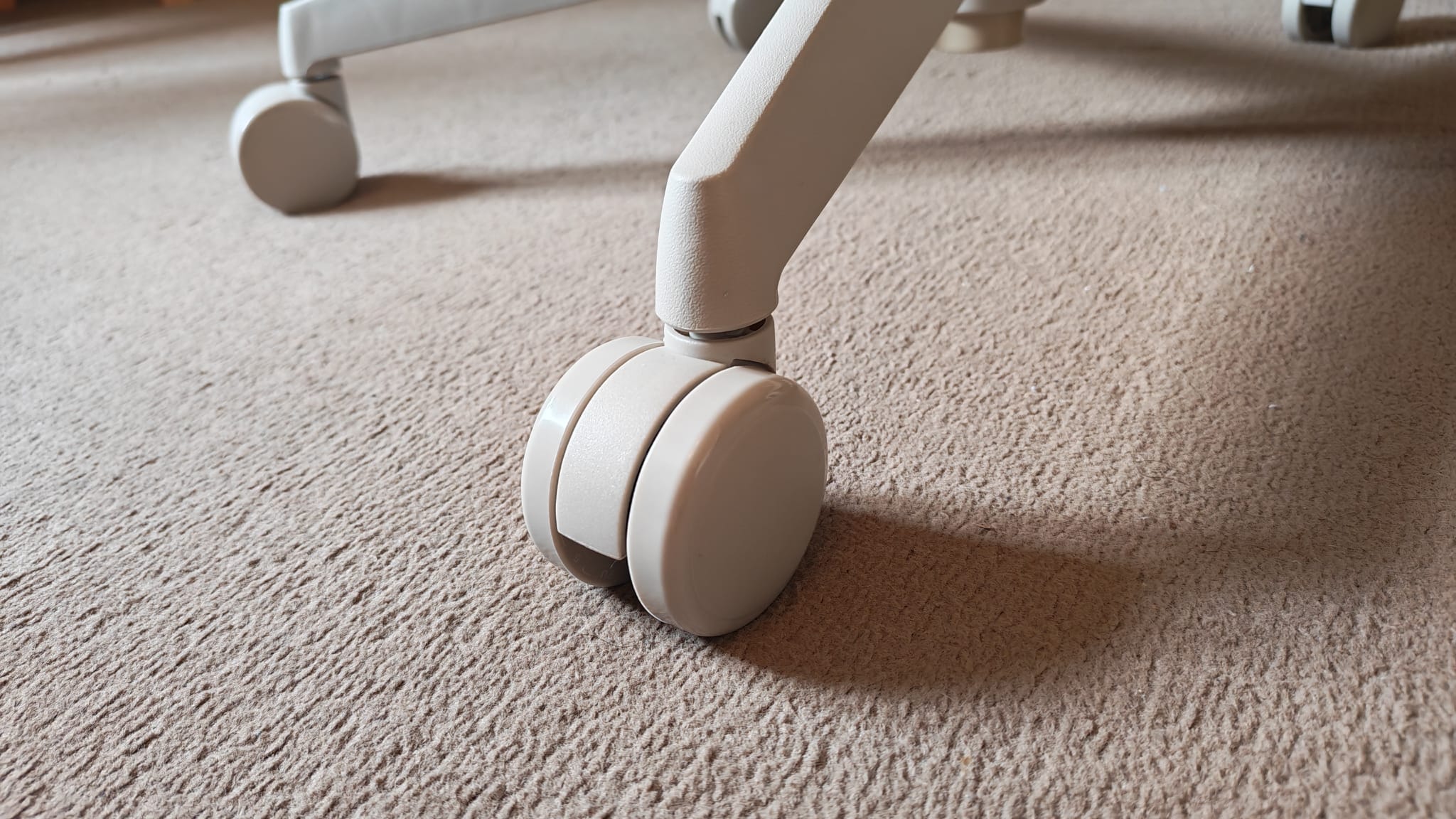
The only thing I'd really swap from the assembly process is the casters. The other elements that make up the Atlas feel quite distinct from the Titan Evo, but these wheels feel almost exactly the same as the ones from the bigger chair, and I don't know if they're a great fit. Rolling it around on my living room/office floor carpet flooring while I'm sitting down is a massive struggle for such a light build. It might seem silly, but those small corrections to match up the chair with the middle line of your monitor can be irritating if the chair is fighting you. I don't know if substituting some narrower casters or differently designed ones would help here. Either way, be prepared for the Atlas to not be the easiest to roll around in.
Performance
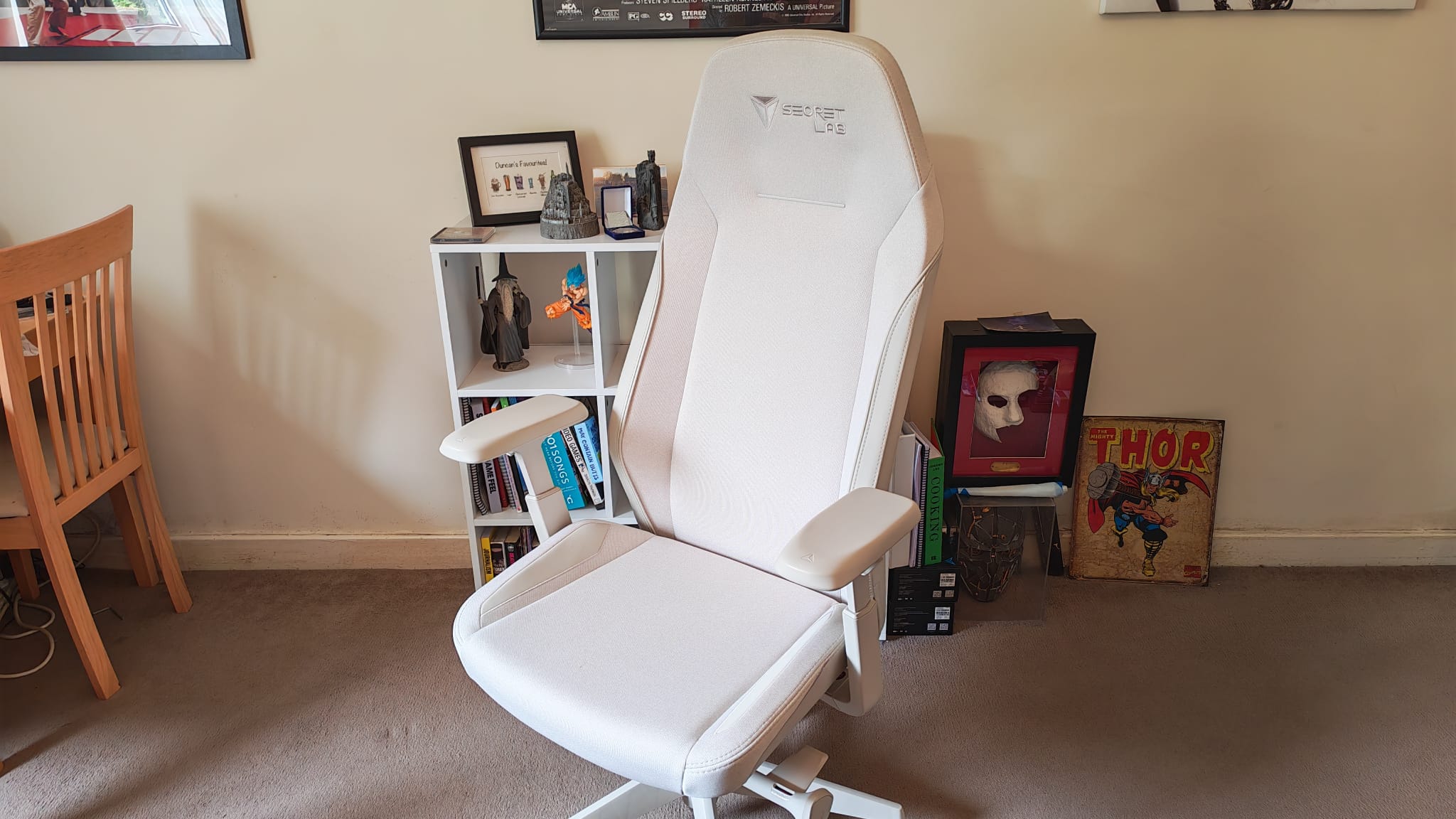
(Image credit: Future / Duncan Robertson) I never thought I'd be saying this in a Secretlab review, but I actually have some concerns about the build quality of the Atlas after my typical month of chair testing.
Keep in mind that I'm testing one of the earliest models, and Secretlab sometimes innovates and improves on models as they extend their lives on the shelves. Your mileage may vary, but in particular, the plastics used in the mechanism of the armrests feel a little looser than I'd expect from Secretlab, and they rattle pretty loudly from side to side. Similarly, the seat depth adjustment is occasionally loose for me. When I shift my weight or cross one leg under the other, it moves ever so slightly out of position even while the seat depth setting is supposed to be locked. The backrest and cushioning both feel as new as the day I first sat on them, but for once, with a Secretlab product, I'm a little concerned about how long the bodywork may last.
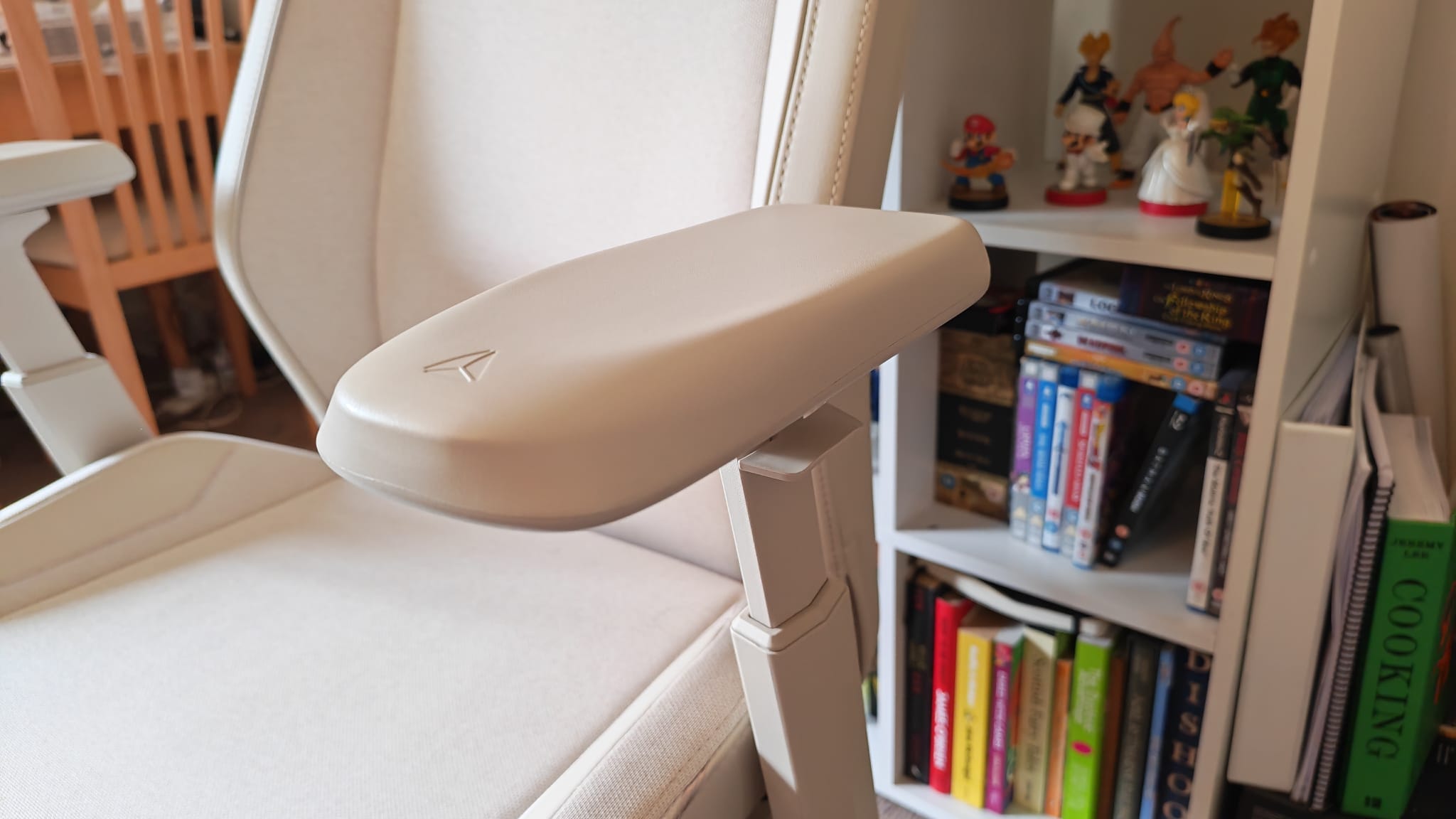
(Image credit: Future / Duncan Robertson) I've now seen first-hand the sorts of endurance testing and R&D that go on for Secretlab products before release, so I do feel confident recommending the Atlas to you as a long-term option, but I can't help but note to you that from my month of testing, I do have some initial concerns. Similarly, like a lot of gaming chair armrests these days, these ones don't lock into position besides their height. To move them forward or rotate them to just manually shove them. These take more effort than most clicky armrests, like the ones on the AutoFull G7, which slide out of position very easily. But over time, in my experience, these types of armrests can come loose too. That hasn't happened to me with the Atlas yet, but I've sat in a lot of chairs, and that's a trend I've noticed.
All of this feels to me like it could be a result of two things, namely, the fact that the Atlas has a lighter build than the Titan Evo. It isn't quite as beefy, and like I mentioned in the assembly section, its parts feel a lot easier to throw around. Moreover, Secretlab has provided a more affordable price, and that may point to slightly cheaper materials used - plastics in the armrests don't seem as premium, for example.
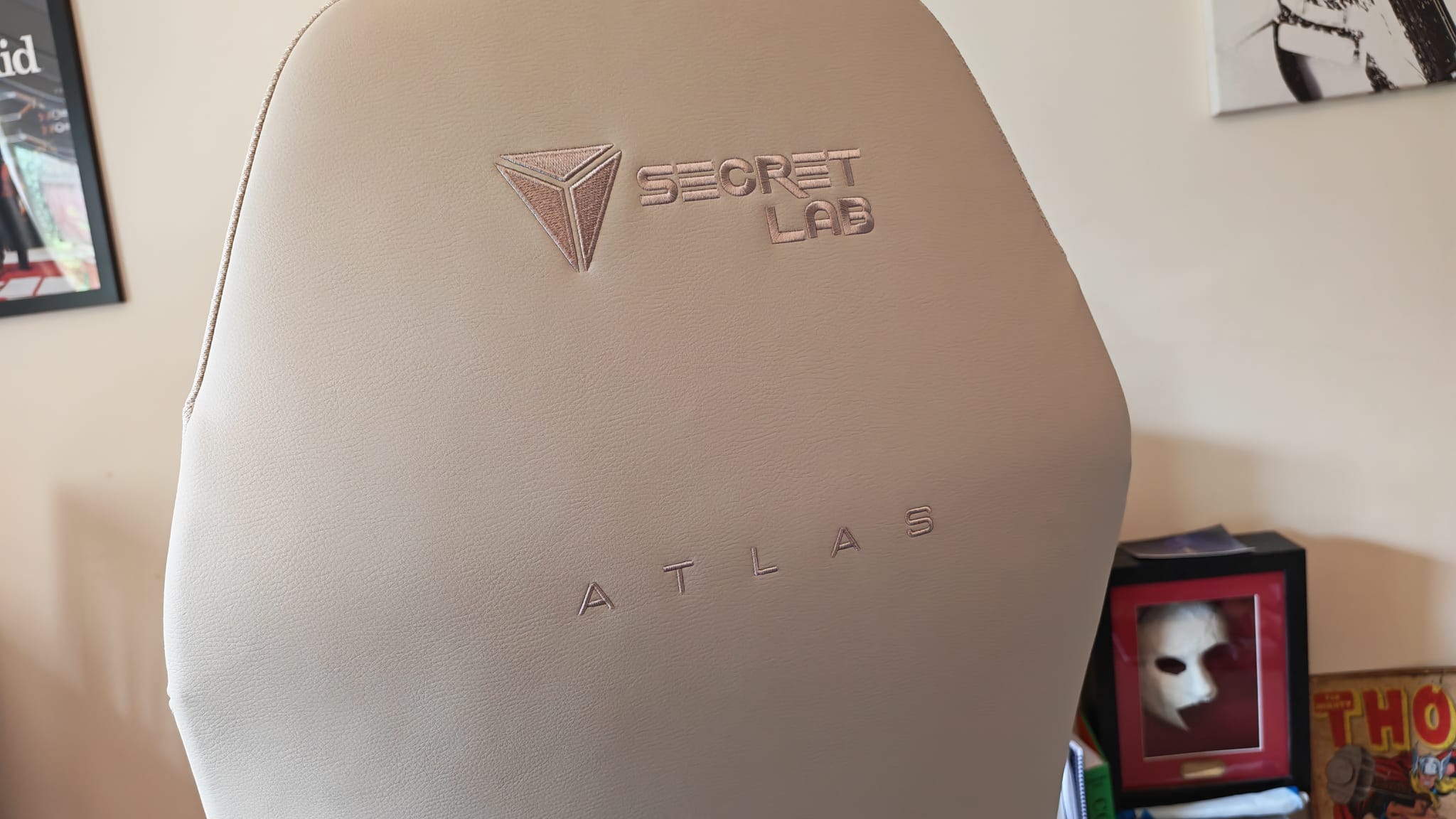
(Image credit: Future / Duncan Robertson) I mentioned it in my early impressions, but I think the lighter build contributes good things too. It may bring more build quality concerns into play, but in my eyes, it makes the chair more comfortable. The Titan Evo Nanogen's frame and pure heft are, I think, a reason why it has a reputation for being firm. You fall into it, and the thing gives your entire body a jolt. The Atlas, with its lighter quality, doesn't do that. I can fall into this and feel caught and cushioned all at once. With a less intrusive frame and a thinner layer of cushioning, things don't feel as firm to sit in at length. The way that form has been paired with the Softweave+ fabric helps that too. It feels as though the material has a bit more flex, which allows it to feel comfier.
If there's a downside to that fabric and foam combo, it's breathability. I'll preface this by saying I've just been testing the Atlas during a record-breaking heatwave in the UK, which is a much, much tougher test of chair breathability than others in my Scottish home have gone through, but if you live in a warmer country, keep in mind that it's going to hug your shirt and you're going to feel sticky when you stand up. This happens to me even with a mesh chair in hotter conditions though.
The synchronous tilt system hasn't been designed for gaming, but I think the 2:1 ratio could be adjusted slightly to take on the LiberNovo Omni because it's so, so close to being that intuitive.
Even so, I managed to sit in this chair for long work days and full evenings of gaming, and I felt very comfortable besides a few lumbar shuffles. That's to be expected; the backrest is never going to cater perfectly to everyone. For work and play, this thing is excellent and holds great value for money at its price point - although keep in mind that I'm testing the premium version, so I can't really speak to the more affordable options. I think if I were to nitpick one aspect of this chair, it'd need to be the armrests.
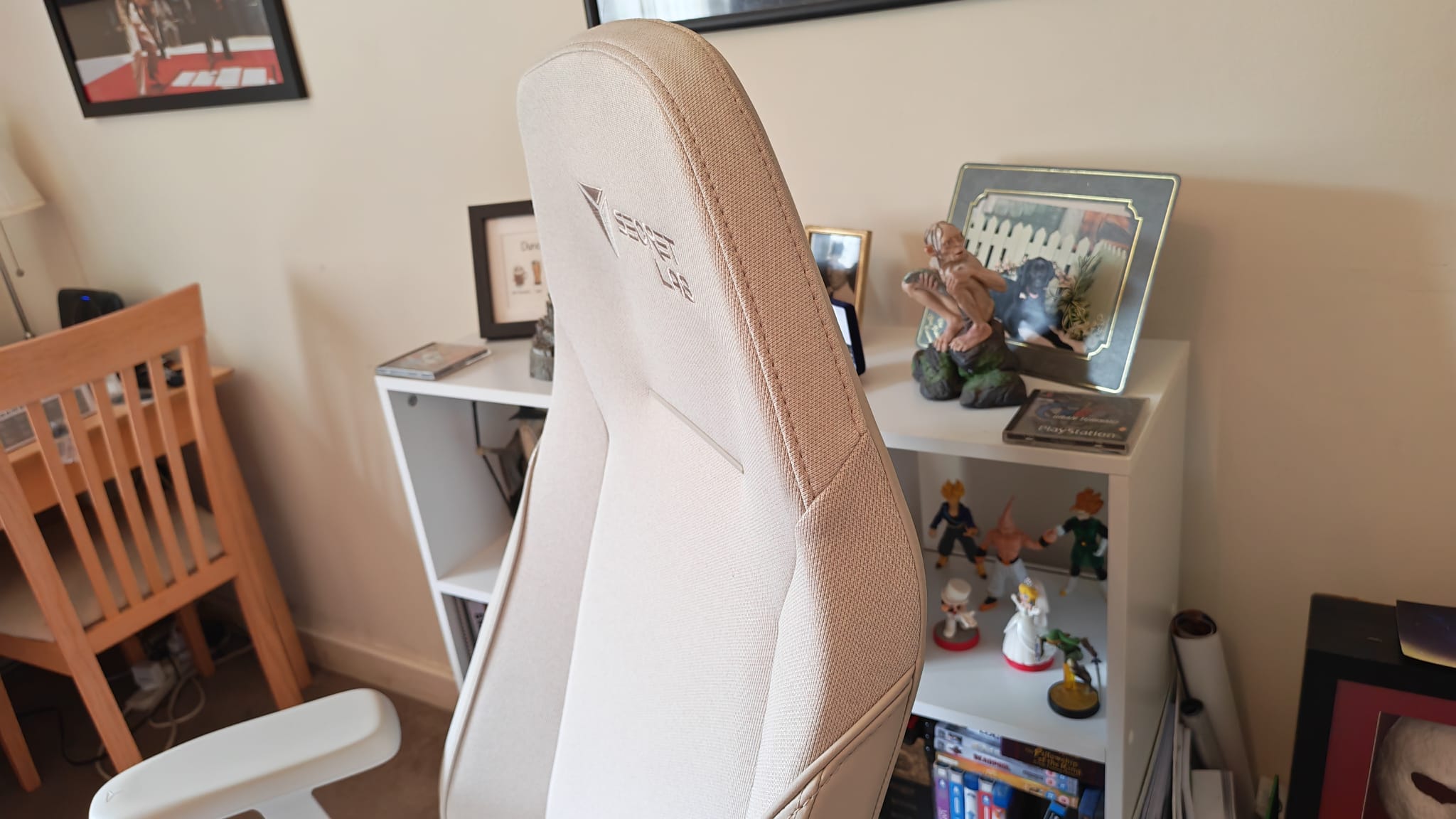
(Image credit: Future / Duncan Robertson) For starters, they have an excellent, plush cushioning - I have no complaints there. But there are two design flaws here that I can't help but compare to the LiberNovo Omni, another innovative ergonomic chair that puts recline as one of its main focuses. In that chair, I can recline back for the first two or three settings and still game at my desk with my arms up on the worktop to control a mouse and keyboard. It's a perfect ratio of tilt without compromising very precise armrest adjustment for gaming. In other words, the ratio of recline works so that the armrests slide back with you, but stay level with where they were when you were upright.
In the Atlas, they actually tilt back too much in my opinion, and slope upward, making it much more of a pernickety process matching them up with the level of your desk for reclined PC gaming. A readjustment of the armrest height sorts that, but it does take that second adjustment, which can get quite annoying when you just want to kick back and keep playing. Essentially, versus the Omni, it's a bit more annoying to use, but versus most other chairs, it's going to be a lot more helpful because other chairs don't sync their armrest and backrest recline levels at all. Not to mention, the Omni I'm comparing it to costs close to a grand.
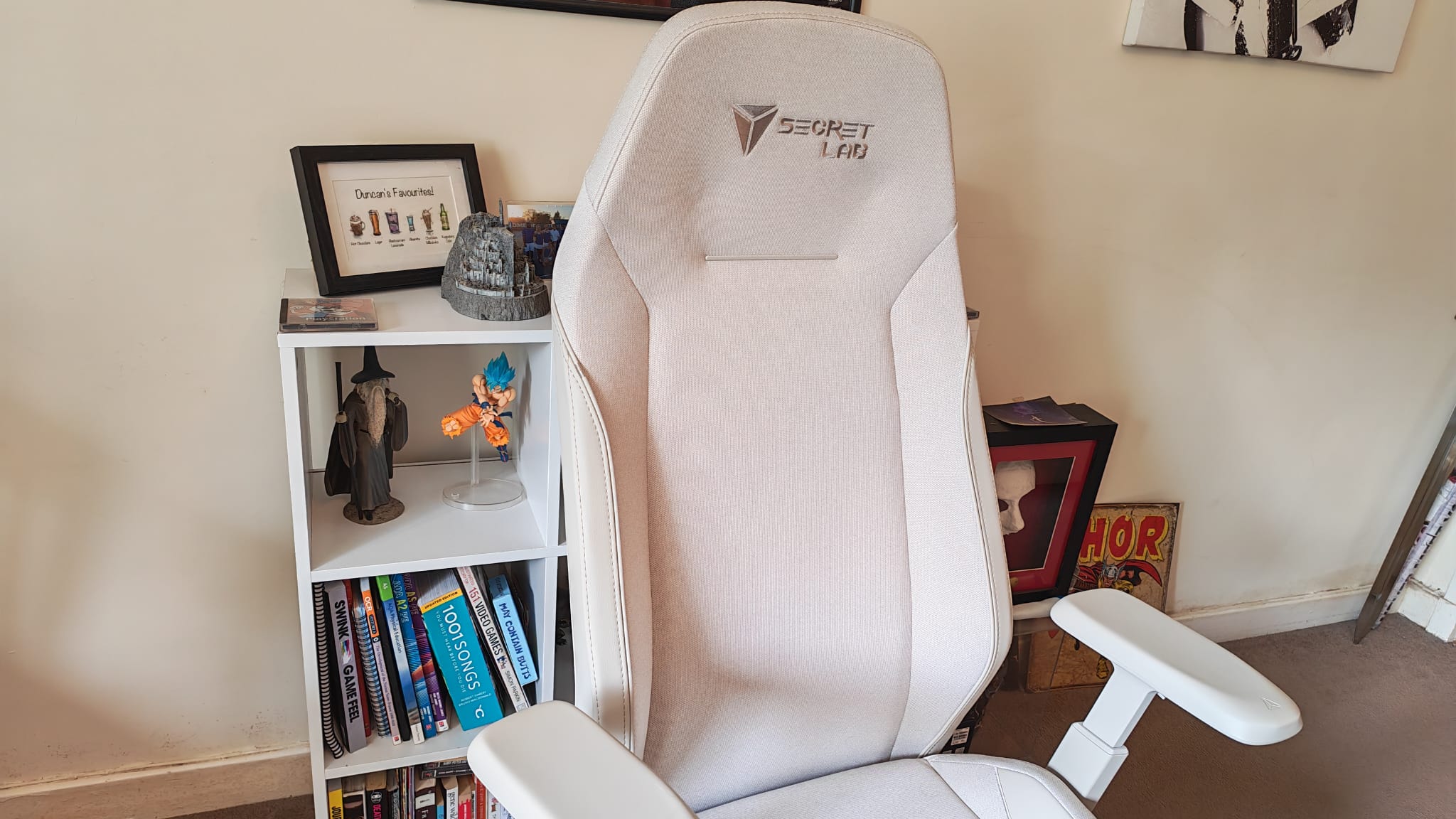
(Image credit: Future / Duncan Robertson) The synchronous tilt system hasn't been designed for gaming, but I think the 2:1 ratio could be adjusted slightly to take on the LiberNovo Omni because it's so, so close to being that intuitive. The tilt locking tensions of the Atlas are genius, and do provide a way to keep the backrest support and relax a bit from your standard, upright focus mode. I really enjoy using the fourth recline tension for a slightly more indulgent work session, or the second mode for a much more comfortable session gaming with a controller at my desk.
Sadly, the other problem with the armrests is one I haven't been able to get past since my early impressions. Without that fourth dimension to move them narrower or wider, they compromise the ergonomics of the Atlas. Ideally, to make the most of the re-curve backrest angle, you want to sit as deep into the seatbase as possible, with the small of your back tucked right into the bottom of the backrest. If I sit in that position, my elbows don't hit the armrests without my forcing them outward from my body because they don't raise up high enough or come close enough to my midsection.
The Atlas isn't as firm as the Titan Evo; it's got a lot of features going for it and a showstopping look that's done nothing but grow on me since the curtain was first drawn back on it.
That then creates a slouch in my chest, and things get uncomfortable quickly. It's a problem I know all too well from the Corsair TC500 Luxe. If I sink into the chair a bit more, this isn't such a problem, but it's not ideal for a chair with ergonomics at its heart. For reference, I'm just over 5ft10, and I'm sitting in the Large model of the Atlas. According to Secretlab's metrics, I'm right on the cusp between the Regular and Large models, so maybe a Regular would fix this issue. Either way, it detracts from the effectiveness of the Atlas as an ergonomic seat, and I can't help but wish that just one more dimension of armrest adjustability were included because a quick shift inward is all that would be needed to fix this issue.
Should you buy the Secretlab Atlas?
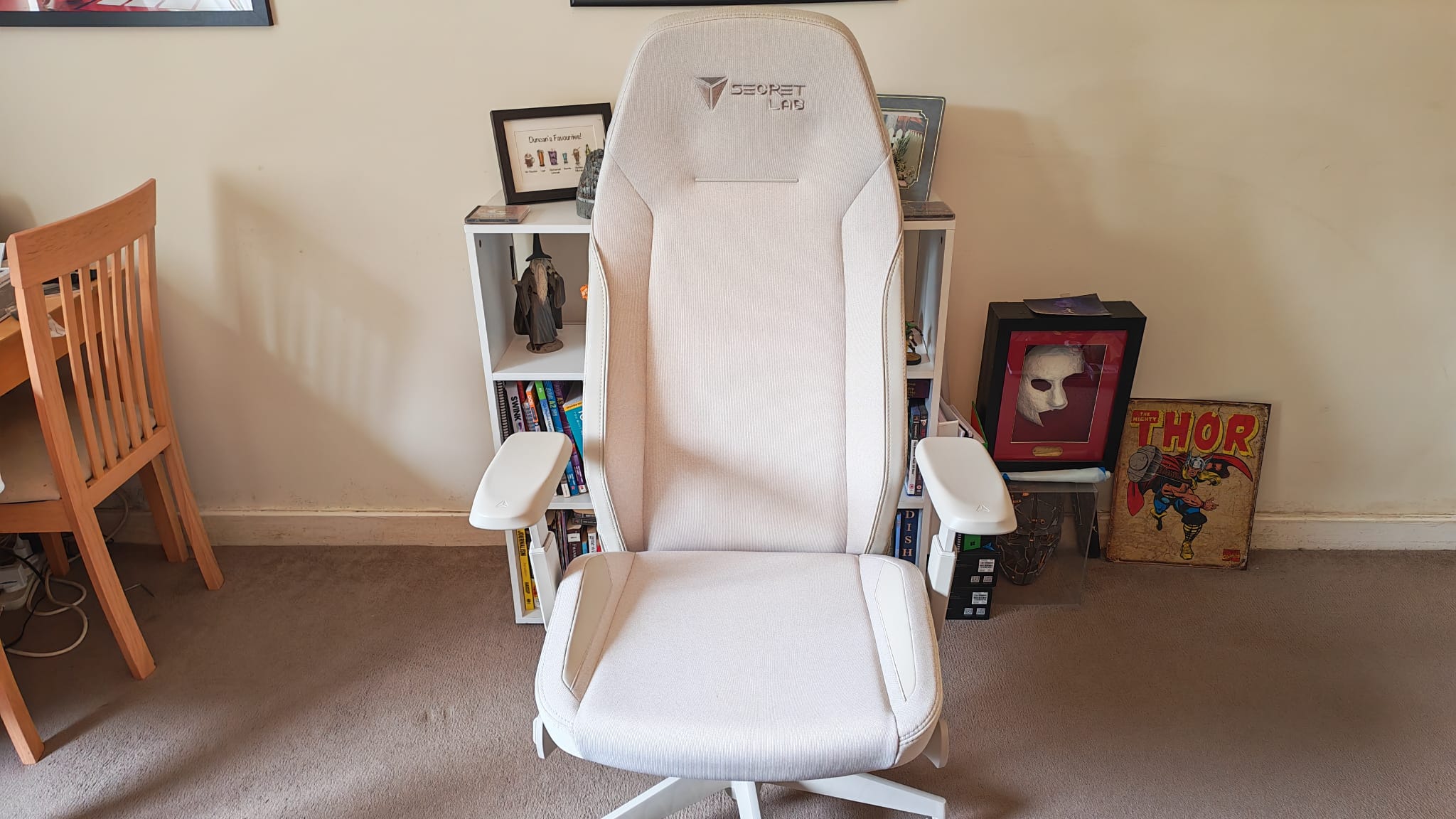
(Image credit: Future / Duncan Robertson) It's no real secret that I've never been the biggest fan of the Secretlab Titan Evo. I think that chair is amazing for offering an ecosystem of upgrades and add-ons. I think its selection of colorways is unmatched, and its build quality is so assured that it's hard to argue against as a long-term investment. But it isn't all that comfortable in my eyes, and its ergonomics aren't anything that countless imitators now offer for cheaper.
The Secretlab Atlas is much, much more up my street. It has a distinct, sleek, and modern design; it has a beautiful blend of comfort and ergonomics; it has a good amount of adjustability for the money it costs, and most importantly, it has a value price tag which isn't sticking in the back of my mind as I review it. Secretlab typically makes pricey products, and while they're always crafted to a high standard, one sticking point for me is that I know you can often get more affordable options elsewhere.
The Atlas isn't quite as good as the Fractal Refine in my opinion. While it adds more comfort in the backrest and seatbase, it loses out on a couple of extra dimensions of adjustability - but for once, Secretlab's offering is more affordable, so I'm not wrestling to justify it against the competition.
The Atlas isn't as firm as the Titan Evo; it's got a lot of features going for it and a showstopping look that's done nothing but grow on me since the curtain was first drawn back on it. It doesn't have the same offering of add-ons at launch that the Titan Evo does, but I'm sure that in time, that could change. The Atlas isn't the best gaming or desk chair out there, but at its price, I don't think it needs to be. I really enjoyed my time sitting in it, and I think a slew of gamers and remote workers will too.
How I tested the Secretlab Atlas
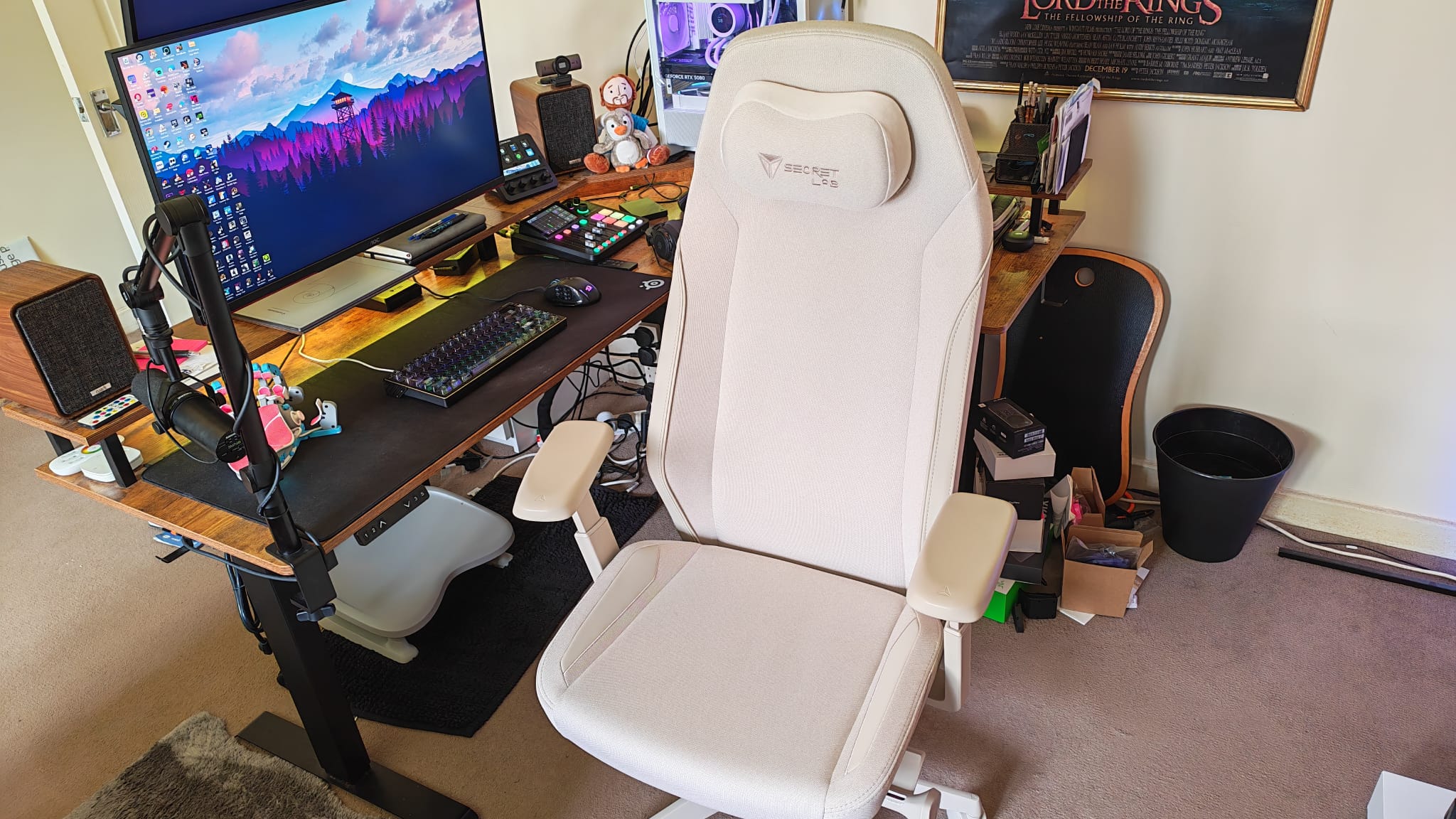
(Image credit: Future / Duncan Robertson) I've done my usual four weeks sitting in the Atlas to test its build quality and its impacts on my body. I've sat in it for over 8 hours on an almost daily basis since then for both work, gaming, and other content creation tasks. I've also reclined in it to chill out from all of those things. I've compared my time in it with Secretlab's other chairs, as well as my time with other gaming and ergo seats like the Fractal Refine and LiberNovo Omni.
Besides my at-home testing, I also want to disclose that I was taken on a trip to Singapore to get an early look at the Secretlab Atlas ahead of its reveal. I got to meet the people behind the Secretlab brand, talk to them about the design of their products, and get a feel for the company's culture. I'm confident that this hasn't skewed my review in either direction, but it has enlightened me to the design philosophy and manufacturing standards that the company strives for.
For more on how we test gaming chairs, check out the GamesRadar+ hardware policy.
If you're crafting the perfect gaming setup, you should know about the best gaming desks, the best console gaming chairs, and the best gaming PCs.
[/url]

Jat AI
Stay informed with the latest in artificial intelligence. Jat AI News Portal is your go-to source for AI trends, breakthroughs, and industry analysis. Connect with the community of technologists and business professionals shaping the future.