











Inside the Art of Halo: Campaign Evolved
With the release of Halo: Campaign Evolved this month, Halo Studios officially begins a new chapter for the franchise. This release not only marks a major milestone for the studio; it also marks a total evolution of the craft of making Halo games. With the power and capabilities of Unreal Engine 5, the team set out to bring the world of Halo to life like never before while staying grounded in the spirit of the original.From the first glimpses of Project Foundry to the final game, the Halo Studios art team delivered something that’s equal parts authentic and awesome—something that feels fresh and new yet also looks exactly like the memories we hold from 2001. yet also looks exactly like the memories we hold from 2001.To learn more about the artistic vision, approach, and process behind the game, we sat down with Halo Studios Art Director Chris Matthews and Donnie Taylor, Halo: Campaign Evolved Art Director, to talk shop!Project Foundry became a test bed and proof-of-concept exploration of what it means to bring Halo to life in Unreal. How did it work out in practice? Are there any artistic or technical outcomes in Halo: Campaign Evolved that you can directly tie back to Project Foundry?Chris Matthews: Project Foundry helped us test key workflows in a real development environment and set a new bar for the variety, richness, and visual ambition we wanted to bring to Halo. Starting from an empty Unreal project, the team built an entirely fresh content set and used it to define the quality target for future production.By focusing on the Pacific Northwest, the Coldlands, and the Blightlands, we were able to solve development challenges around environments, materials, world-building, and atmosphere. That work connected directly to Halo: Campaign Evolved, influencing levels such as “Halo” and “Assault on the Control Room,” as well as the broader implementation of the Flood throughout the game.What has Unreal enabled the team to do that wasn’t possible before?Donnie Taylor: Empowering our creative team. Slipspace (Halo Infinite’s engine) was quite powerful, but it required a decent amount of tribal knowledge and multiple disciplines to accomplish complex ideas. Unreal removed many of those barriers and allowed the team to focus less on the “how” and more on the “what.”CM: Unreal empowered the team to move faster, iterate more freely, and lower the technical barriers between artistic intent and in-engine execution. It gave artists and content creators a much stronger connection between concept art and final implementation, allowing ideas to be tested, refined, and validated directly in the game with more consistent and reliable results. Access to tools like Nanite, Niagara, Lumen, and Mega Lights also gave us a broader technical foundation to realize the vision at a level of richness, scale, and fidelity that simply was not possible before.Remaking something as iconic and beloved as Halo: Combat Evolved is equal parts daunting and exciting. At the start of this project, what were the key pillars established by the art team?DT: We had five key art pillars for this project:Military / Science Fiction: The creative heights of science fiction give Halo its wonder and the military foundation gives it perspective.Aspirational / Spectacle: What pushes us toward the extraordinary.Grounded / Relatable: Players don’t need an instruction manual to understand the world.Intriguing / Storied: Every environment should tell a story.Thoughtful / Intentional: Know the legacy and understand why things are the way they are. Our job is not to recreate the past beat for beat but understand what made those choices work in the first place.CM: Alongside our core art pillars, our North Star was a careful balance of three influences: the original Bungie-era concept art, the insight and expectations of long-term Halo players, and a deep effort to preserve the essence of the original game. Every time these influences led us in a direction, we tested our ideas against Halo’s established lore, working closely with the franchise writers to ensure that every visual evolution still felt authentic to the universe.Were there any specific processes in place to review new content against the original game?CM: Every original asset was documented in detail and regularly reviewed by the team throughout production. Our artists and content creators returned to the original Halo: Combat Evolved frequently, comparing it with the Anniversary Edition, and analyzing the creative decisions behind each interpretation. New ideas, or revisions to existing designs, were first explored through concept art and then stress-tested with a panel of senior writers, designers, players, and artists. The team’s passion for Halo runs deep, and this process ensured that every decision was carefully vetted, with only the changes that genuinely enhanced or added to the experience making it through.This isn’t the first time Halo: Combat Evolved has been revisited. How did the team con
With the release of Halo: Campaign Evolved this month, Halo Studios officially begins a new chapter for the franchise. This release not only marks a major milestone for the studio; it also marks a total evolution of the craft of making Halo games. With the power and capabilities of Unreal Engine 5, the team set out to bring the world of Halo to life like never before while staying grounded in the spirit of the original.
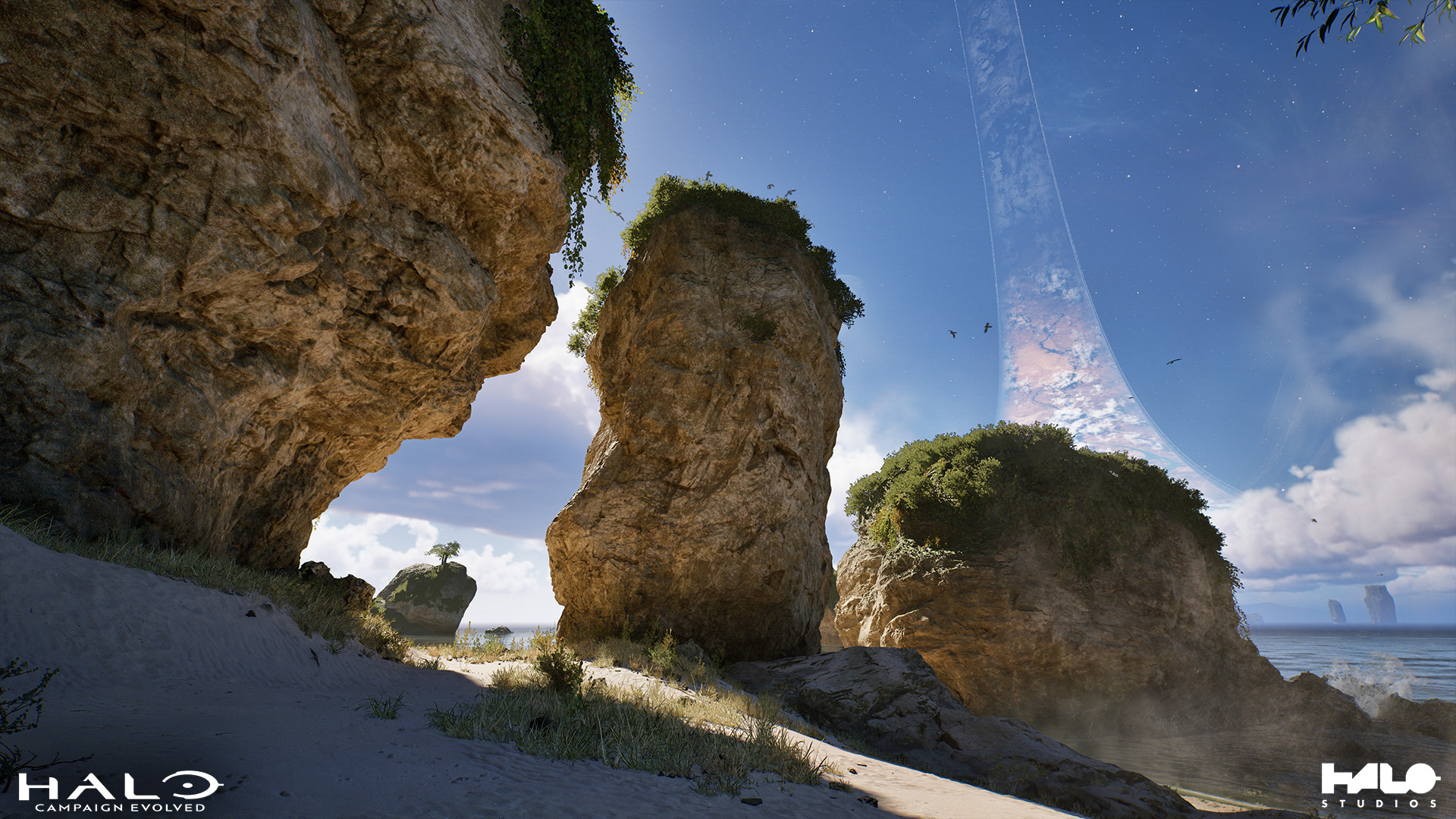
From the first glimpses of Project Foundry to the final game, the Halo Studios art team delivered something that’s equal parts authentic and awesome—something that feels fresh and new yet also looks exactly like the memories we hold from 2001. yet also looks exactly like the memories we hold from 2001.
To learn more about the artistic vision, approach, and process behind the game, we sat down with Halo Studios Art Director Chris Matthews and Donnie Taylor, Halo: Campaign Evolved Art Director, to talk shop!
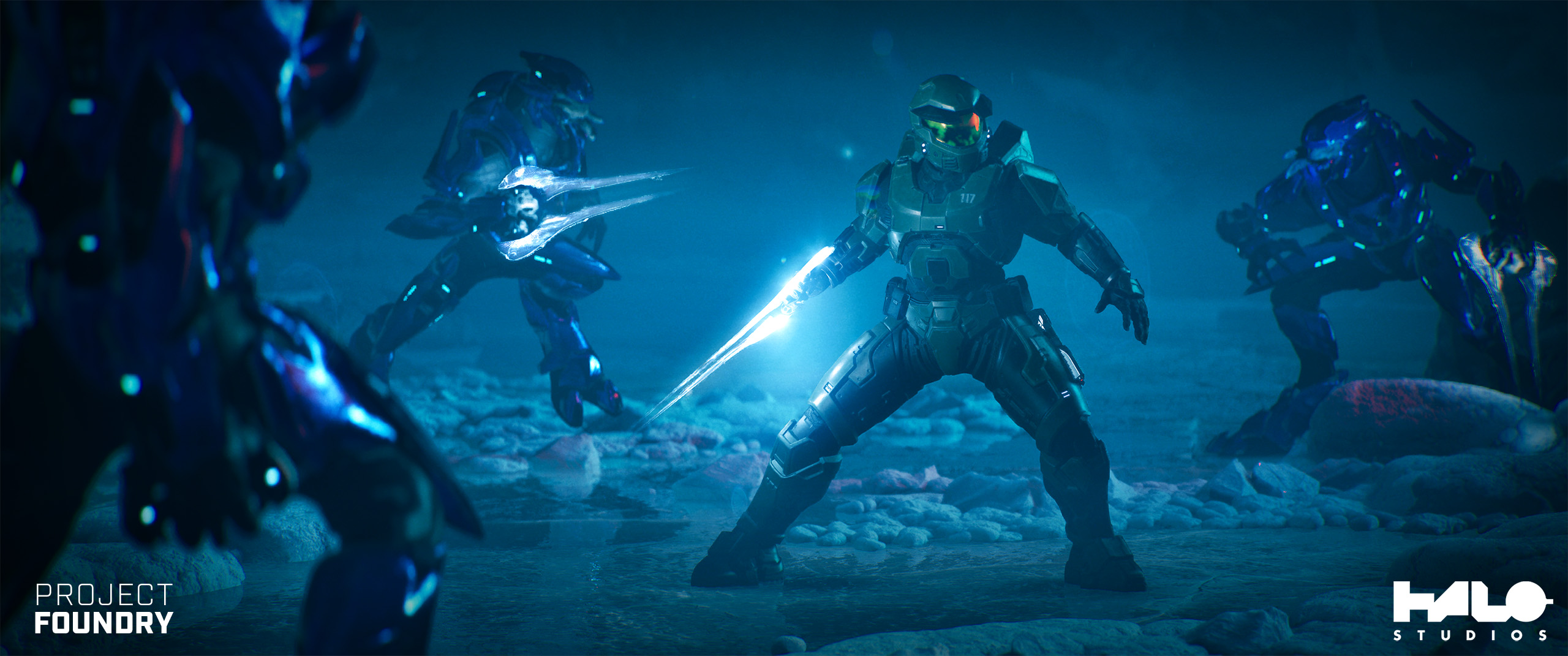
Project Foundry became a test bed and proof-of-concept exploration of what it means to bring Halo to life in Unreal. How did it work out in practice? Are there any artistic or technical outcomes in Halo: Campaign Evolved that you can directly tie back to Project Foundry?
Chris Matthews: Project Foundry helped us test key workflows in a real development environment and set a new bar for the variety, richness, and visual ambition we wanted to bring to Halo. Starting from an empty Unreal project, the team built an entirely fresh content set and used it to define the quality target for future production.
By focusing on the Pacific Northwest, the Coldlands, and the Blightlands, we were able to solve development challenges around environments, materials, world-building, and atmosphere. That work connected directly to Halo: Campaign Evolved, influencing levels such as “Halo” and “Assault on the Control Room,” as well as the broader implementation of the Flood throughout the game.
What has Unreal enabled the team to do that wasn’t possible before?
Donnie Taylor: Empowering our creative team. Slipspace (Halo Infinite’s engine) was quite powerful, but it required a decent amount of tribal knowledge and multiple disciplines to accomplish complex ideas. Unreal removed many of those barriers and allowed the team to focus less on the “how” and more on the “what.”
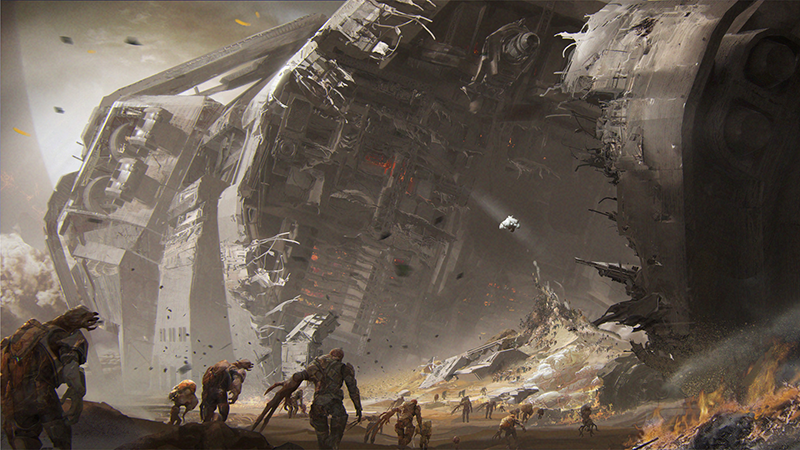
CM: Unreal empowered the team to move faster, iterate more freely, and lower the technical barriers between artistic intent and in-engine execution. It gave artists and content creators a much stronger connection between concept art and final implementation, allowing ideas to be tested, refined, and validated directly in the game with more consistent and reliable results. Access to tools like Nanite, Niagara, Lumen, and Mega Lights also gave us a broader technical foundation to realize the vision at a level of richness, scale, and fidelity that simply was not possible before.
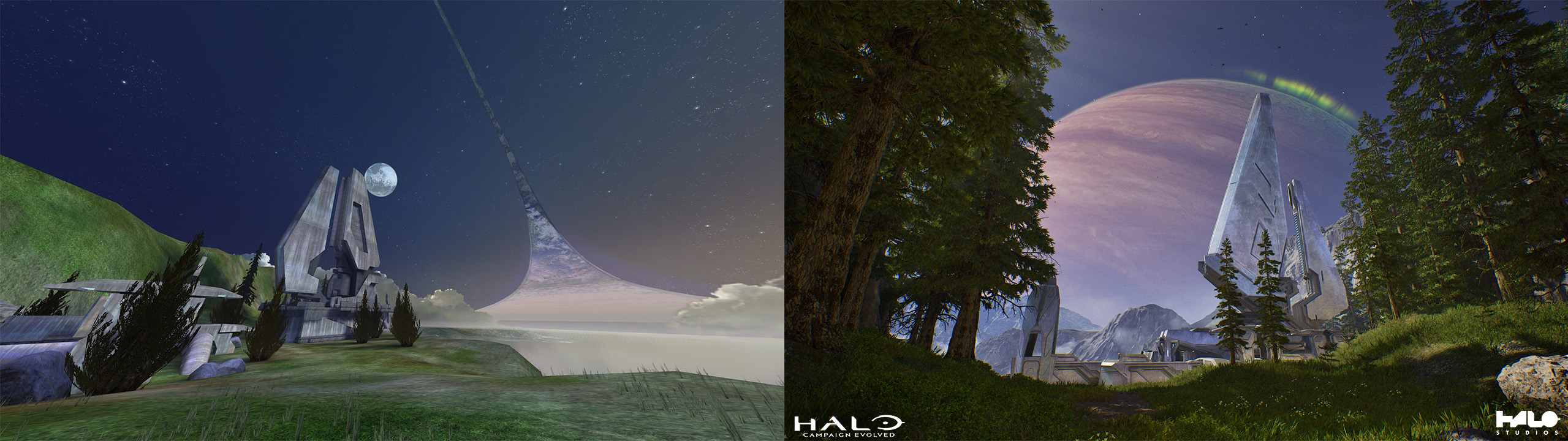
Remaking something as iconic and beloved as Halo: Combat Evolved is equal parts daunting and exciting. At the start of this project, what were the key pillars established by the art team?
DT: We had five key art pillars for this project:
Military / Science Fiction: The creative heights of science fiction give Halo its wonder and the military foundation gives it perspective.
Aspirational / Spectacle: What pushes us toward the extraordinary.
Grounded / Relatable: Players don’t need an instruction manual to understand the world.
Intriguing / Storied: Every environment should tell a story.
Thoughtful / Intentional: Know the legacy and understand why things are the way they are. Our job is not to recreate the past beat for beat but understand what made those choices work in the first place.
CM: Alongside our core art pillars, our North Star was a careful balance of three influences: the original Bungie-era concept art, the insight and expectations of long-term Halo players, and a deep effort to preserve the essence of the original game. Every time these influences led us in a direction, we tested our ideas against Halo’s established lore, working closely with the franchise writers to ensure that every visual evolution still felt authentic to the universe.
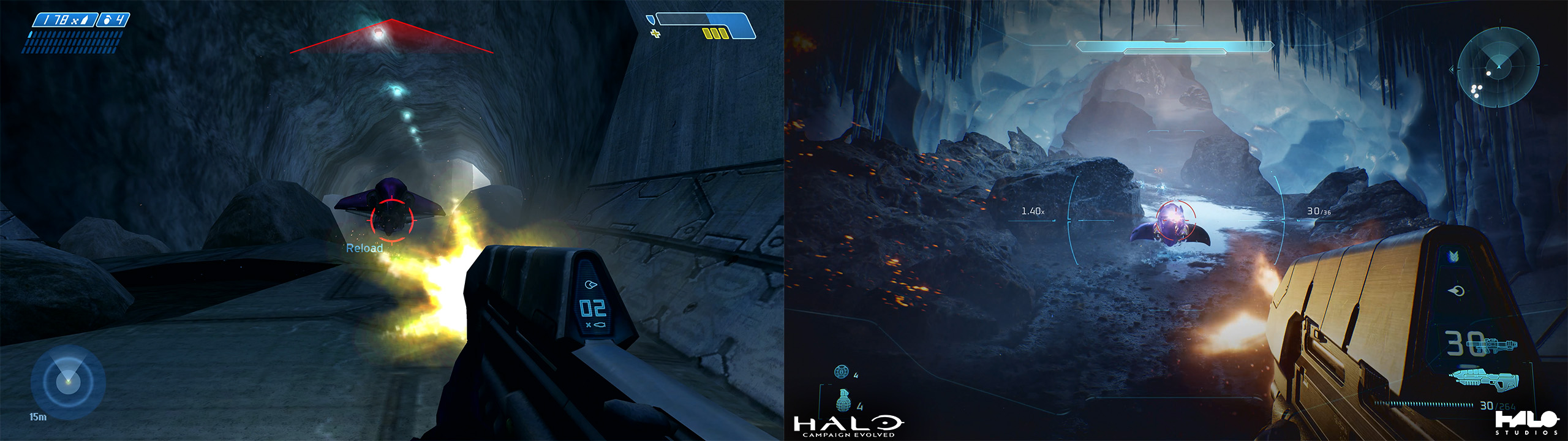
Were there any specific processes in place to review new content against the original game?
CM: Every original asset was documented in detail and regularly reviewed by the team throughout production. Our artists and content creators returned to the original Halo: Combat Evolved frequently, comparing it with the Anniversary Edition, and analyzing the creative decisions behind each interpretation. New ideas, or revisions to existing designs, were first explored through concept art and then stress-tested with a panel of senior writers, designers, players, and artists. The team’s passion for Halo runs deep, and this process ensured that every decision was carefully vetted, with only the changes that genuinely enhanced or added to the experience making it through.
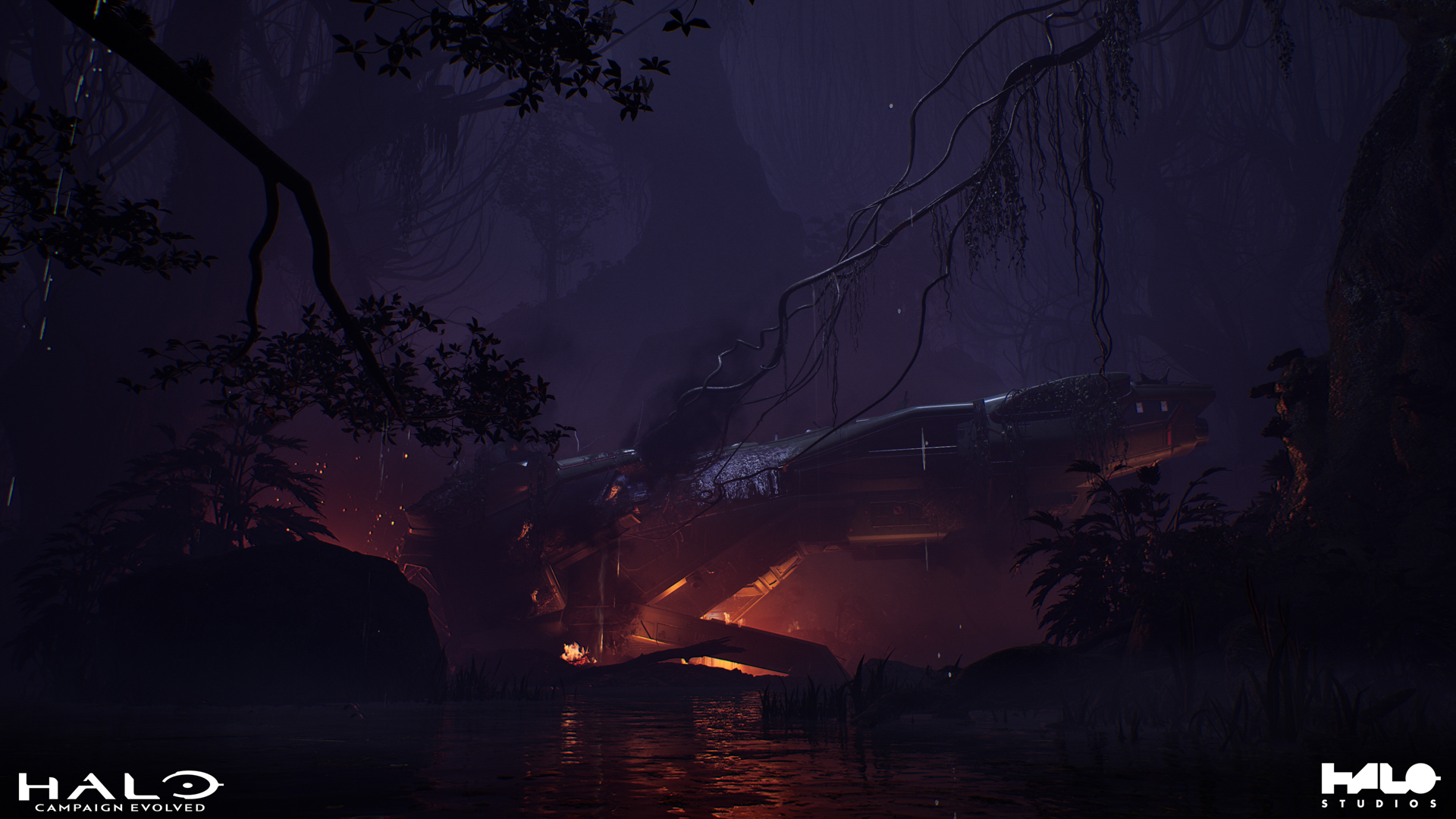
This isn’t the first time Halo: Combat Evolved has been revisited. How did the team consider prior work on Halo: Combat Evolved Anniversary, and were there any key learnings or takeaways that informed your team’s approach?
DT: I had a mandate that the team play both CE and Anniversary. There are many aspects of Anniversary that were fantastic recreations, but in some areas, it strayed from the original. Our goal was to refocus on what we felt when we played Halo: Combat Evolved for the first time and try to capture that. It translated into darker, moodier environments where the feeling and tone of the game were truer to the original.
CM: The team reviewed prior work on Halo: Combat Evolved Anniversary, but Halo: Campaign Evolved was approached with its own deep reverence for the original game, its lore, and the artists and designers who first defined that world. Our goal was to recapture the sense of mystery, beauty, darkness, and liminality that made the original so powerful, while using modern tools to express new executions. Adding detail always invites conversation, because taste is subjective, but our approach was never arbitrary; every visual evolution was rooted in Halo lore, the intent of the original designs, and what the franchise has taught us over the last 25 years.
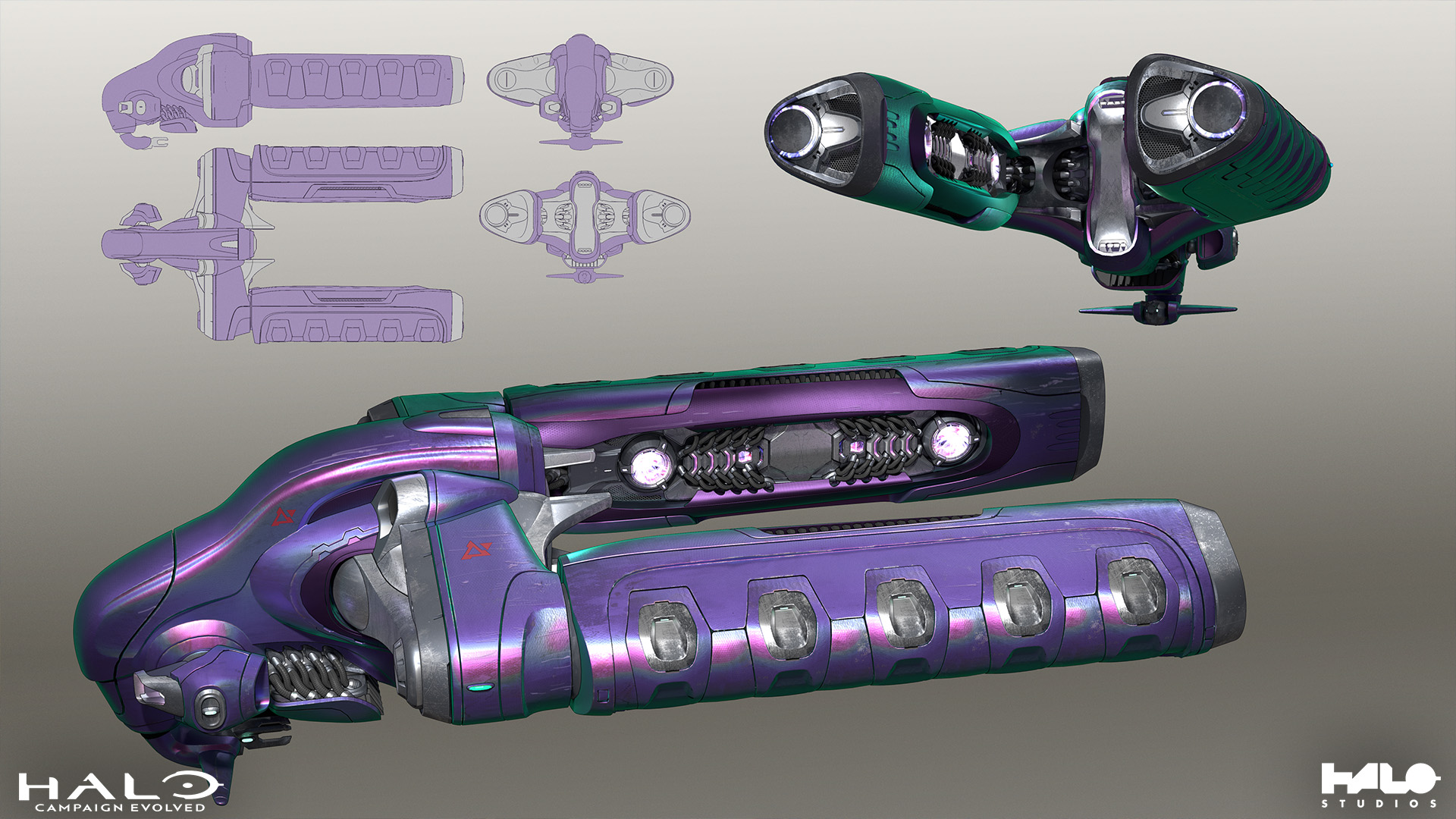
What’s the biggest difference between a “remaster” and a “remake”? And in the case of Halo: Campaign Evolved, why did the team opt for a full remake?
CM: To me, the key difference is that a remaster preserves the original experience and attempts to improves its presentation, while a remake rebuilds that experience from the ground up so it can fully live on modern hardware, with modern expectations, without losing its soul.
Halo: Combat Evolved is a timeless game because its core atmosphere, mystery, pacing, and visual identity still resonate decades later; we chose a full remake because we were not trying to replace that legacy, but to honor it properly by rebuilding the world with today’s tools so players could feel the same awe, scale, and discovery that the original delivered in 2001.
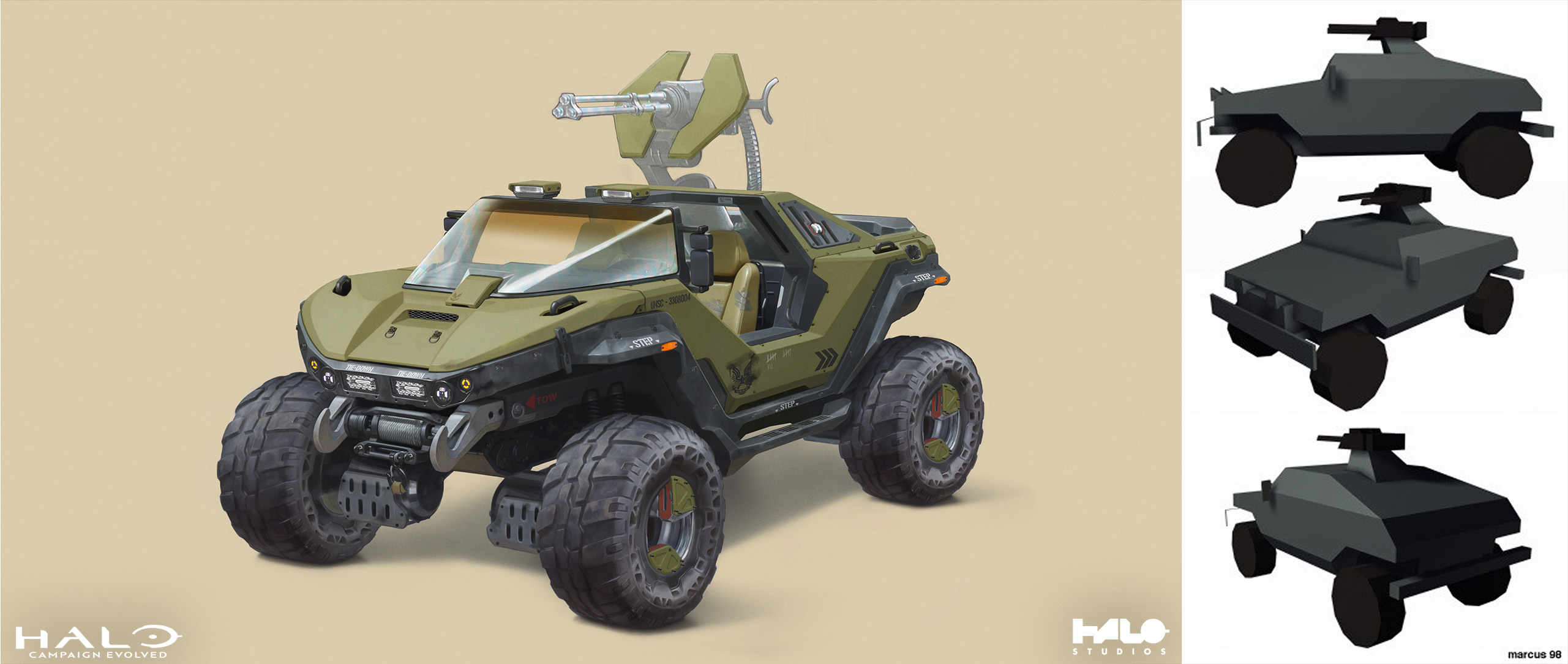
How did the team balance and draw inspiration from Bungie’s original work and elements from other parts of the Halo Franchise? How were decisions made around if, and how, something should be changed vs. leaving something exactly as it was 25 years ago?
DT: Lots and lots of discussions and references. Our team is very passionate about CE, what it means to them, and what it means to modernize a classic. Everyone has elements of each game in the series that are special to them. We held conversations both inside Halo Studios and outside with community members to guide many of our decisions.
CM: The team balanced Bungie’s original work with the broader 25-year Halo legacy by stepping back from the released game alone and going deep into the archive of early sketches, drawings, and design intent. We compared those original ideas with what ultimately appeared in Halo: Combat Evolved, then tested them against the stories, lore, and visual language that have developed across the franchise since.
We treated every element of the original game as a crown jewel. A design was only considered for refinement when it improved consistency, supported gameplay, or clarified an idea that had been has already resolved over the course of the franchise, or was limited by the realities of the production in 2001.
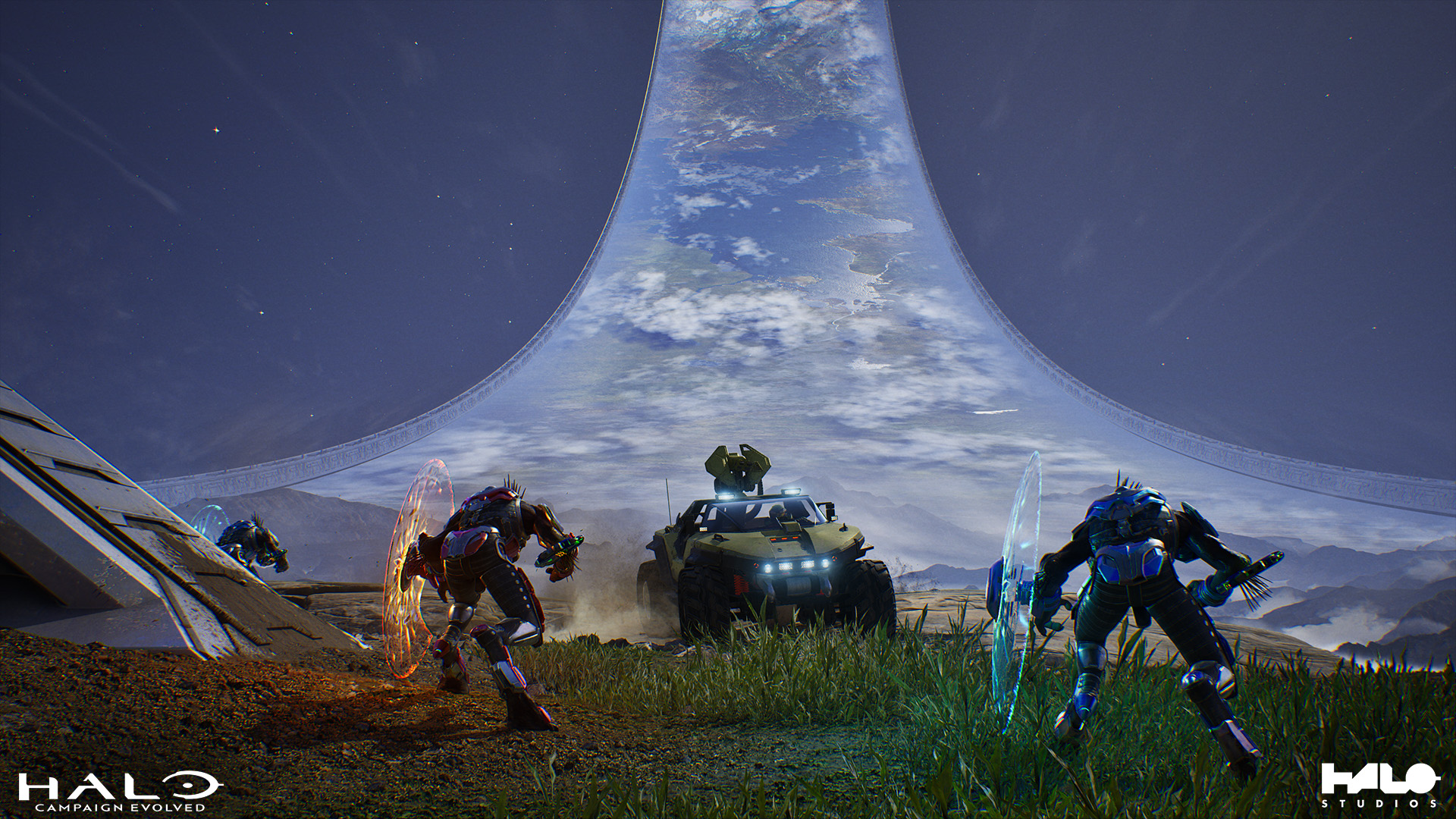
Nearly every Halo game has had variations and evolutions in key characters, weapons, and vehicles from title to title. Halo: Campaign Evolved draws inspiration from more than just Combat Evolved – what was the team’s approach to determining which version of a character, weapon, or vehicle would appear in this remake?
DT: We had an exercise early in the project which established our “Evergreen Assets.” During this exercise we looked at the art of every key asset within the Halo Franchise, and working with our peers and Franchise, defined what best represented the “look” of Halo.
CM: The Mjolnir armor and Warthog were great examples: both have evolved over time, but by rebuilding them carefully we could restore details that had been lost or simplified, such as the swing arms supporting the Warthog’s wheels. Even choices like Cortana’s color were approached with the same care, balancing her purple appearance in the original game with the lore and player expectations built around who Cortana has become to so many fans (and her iconic electric blue holographic appearance!).
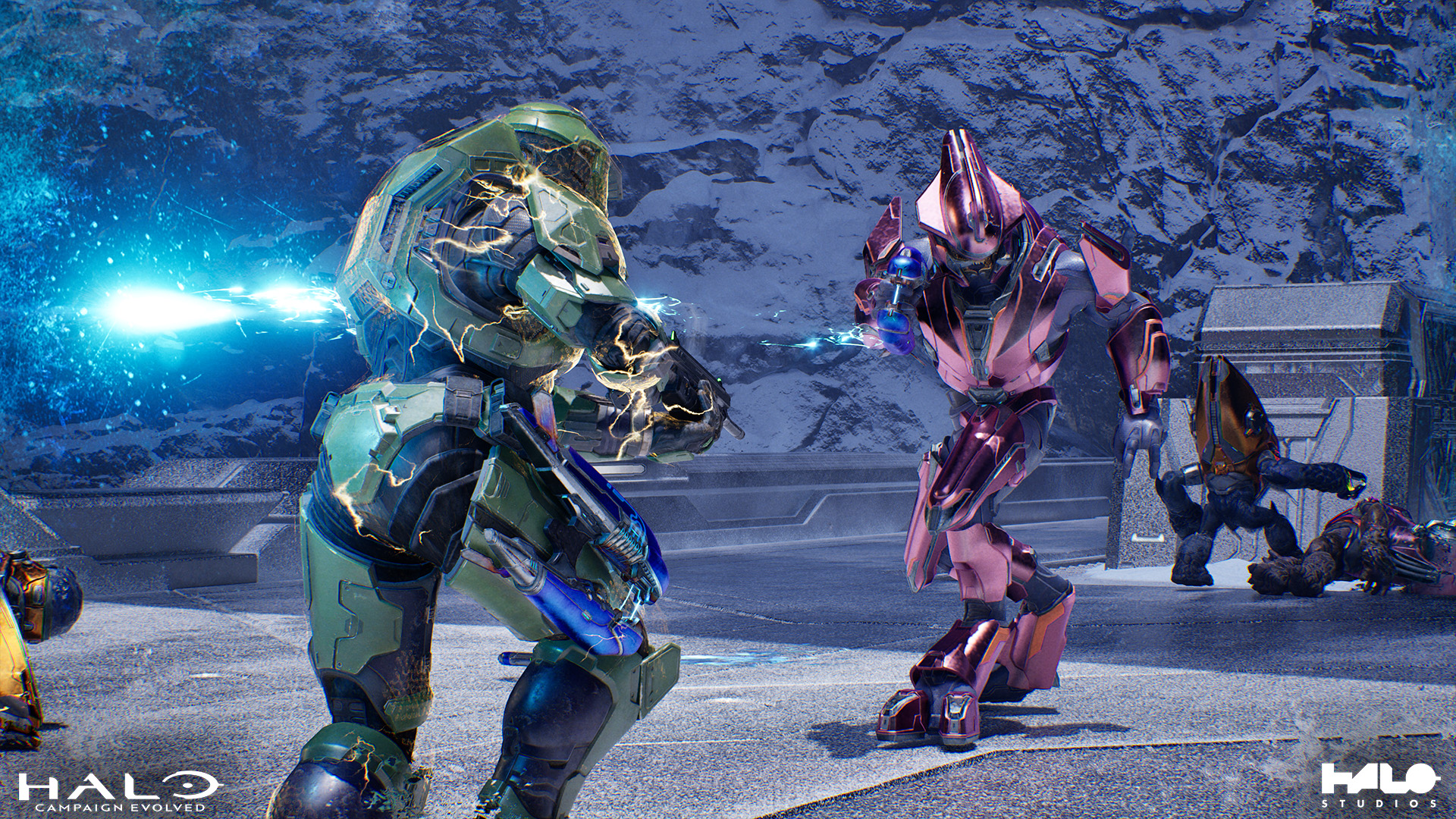
Once a decision was made, for example the Elite design inspired by Halo Infinite, what is the general process to bring that to life in Unreal in Campaign Evolved?
CM: Every piece of art in Halo: Campaign Evolved was built from scratch, but our goal was refinement, not redesign. When a design already represented the strongest modern interpretation of the original, we preserved that direction; when key details had been lost over time, as with the Warthog, we returned to the original Halo: Combat Evolved designs and reinterpreted them through a modern lens.
DT: Every asset was rebuilt from the ground up, bringing it up to modern standards in a way Unreal could understand was just one of the steps. We also took the time to talk through the design with the character team to make sure the assumptions that were made were still true for Campaign Evolved and only changed those instances that didn’t align with Art Direction.
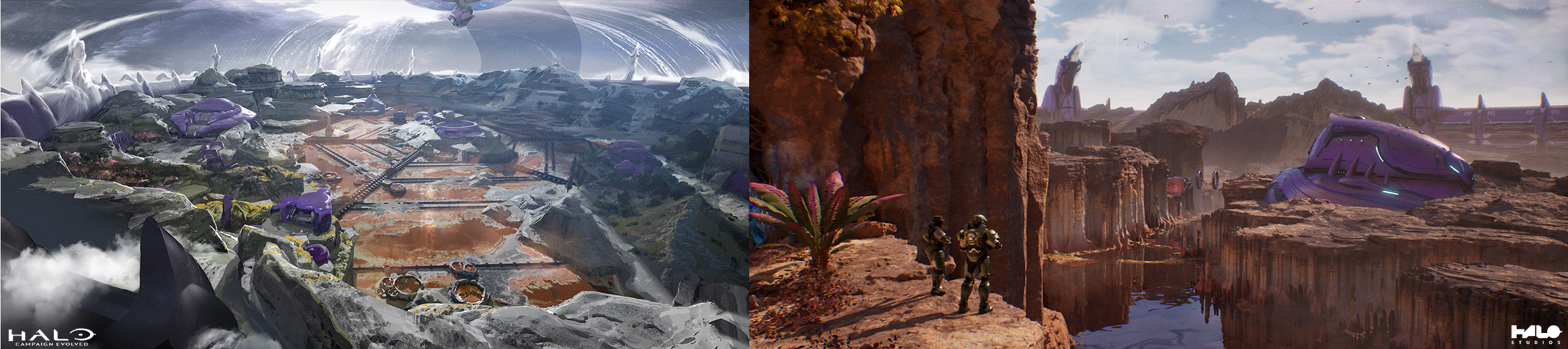
How was development of the three bonus missions different from the approach and work on remaking the original ten missions? How was it similar?
DT: There were a lot of similarities in approach to both the base ten missions and the three bonus missions. I would say the main difference was in efficiency. We learned a lot from making the original missions and that allowed us to be far more ambitious in our scope.
CM: The bonus missions were different because they gave the team room to create new Halo content rather than faithfully reinterpreting an existing mission. By that point, the studio was deeply absorbed in the story, visual language, and production techniques of Halo: Campaign Evolved, which allowed us to push scope, scale, and spectacle in a way that suited the prequel story. What remained the same was the artistic discipline; every new space, character, and detail still had to feel rooted in Halo’s history, tone, and design logic.
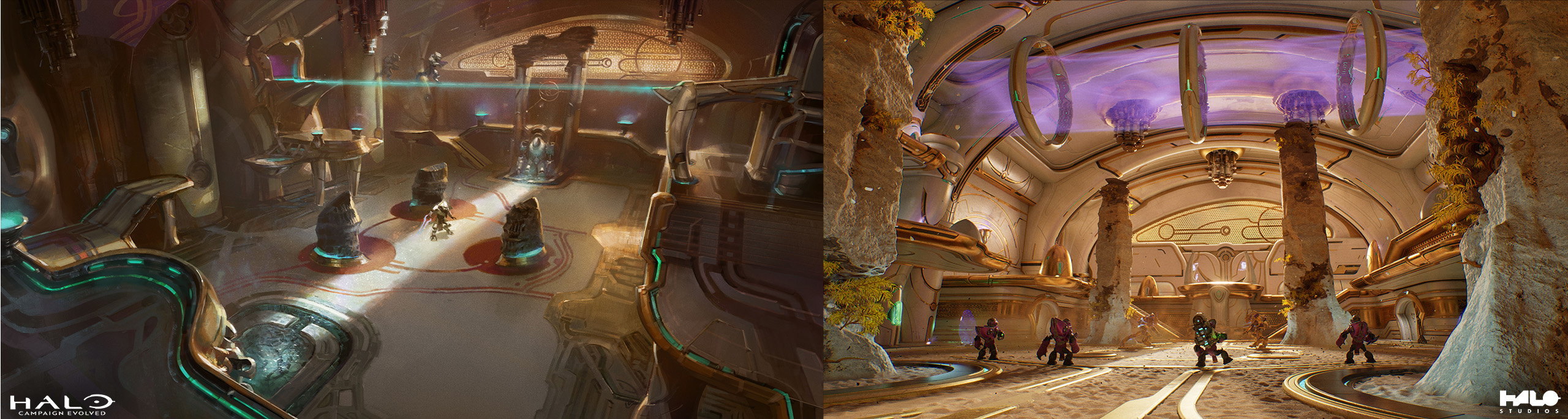
What were the art direction and visual design goals for “Operation: Meteorite,” and where did inspirations come from for these environments and characters?
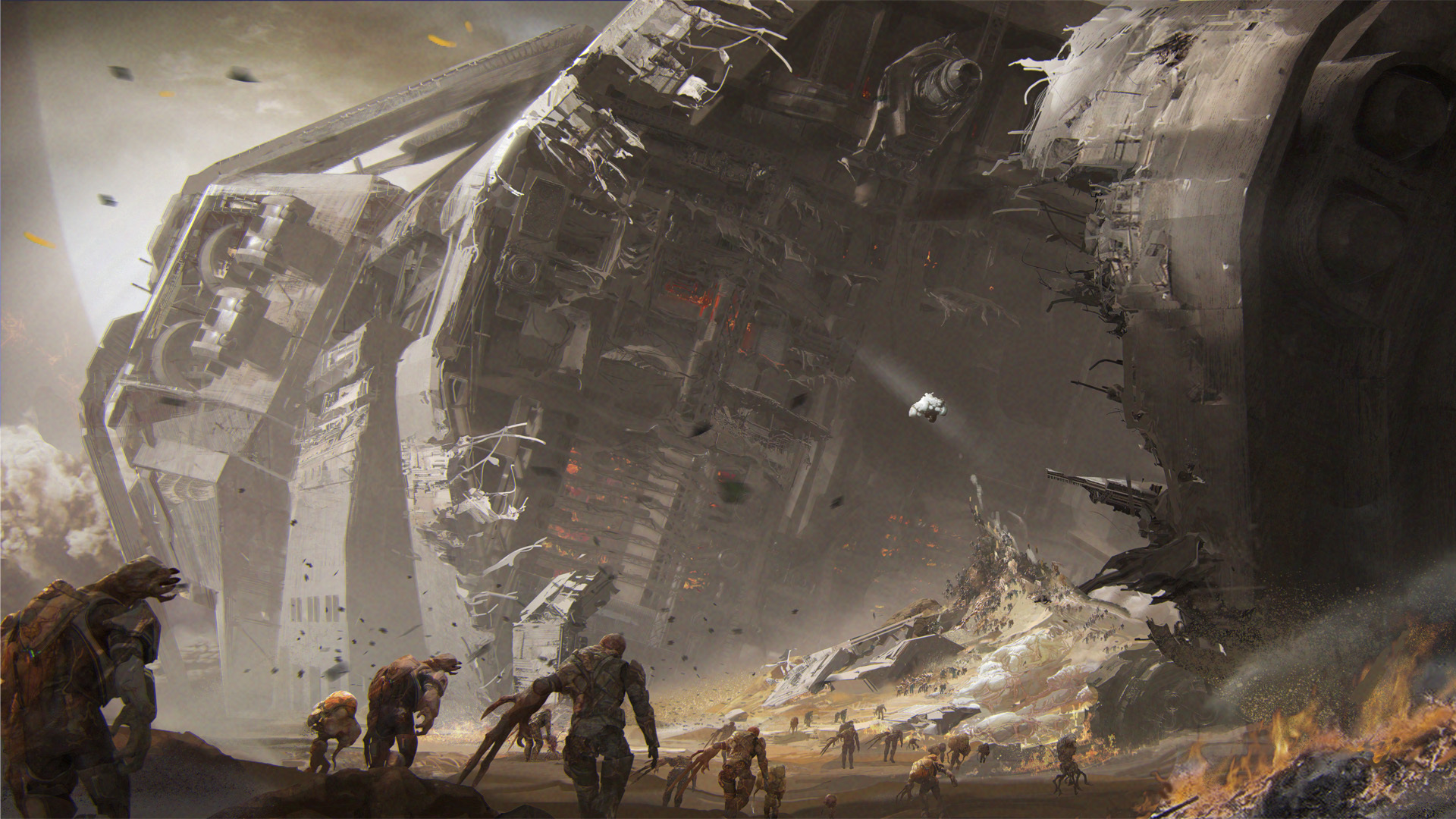
CM: For the three bonus missions, our goal was to introduce a new Covenant faction, the dogmatic and extreme Sacristan, while delivering both the vast scale Halo is known for and the claustrophobic intensity of Covenant ships. Visually, we pushed classic Covenant ornamentation into something more opulent, ornate, and severe, supporting the idea of a colossal personal ship built around experimentation and fanaticism. The designs have both feet firmly in Halo’s history, while looking toward the future extremes of alien design.
DT: As an Art Director, I was guided by three main drivers: I wanted something that would excite new and old fans, something that pushed our art and design toward the future, and something that was unexpected.
We had one visual goal for environments in the three bonus missions: give the player something that was familiar and Halo, but unique and wholly alien—a setting that could only be found on a spacefaring vessel run by a highly zealous, multi-species faction.
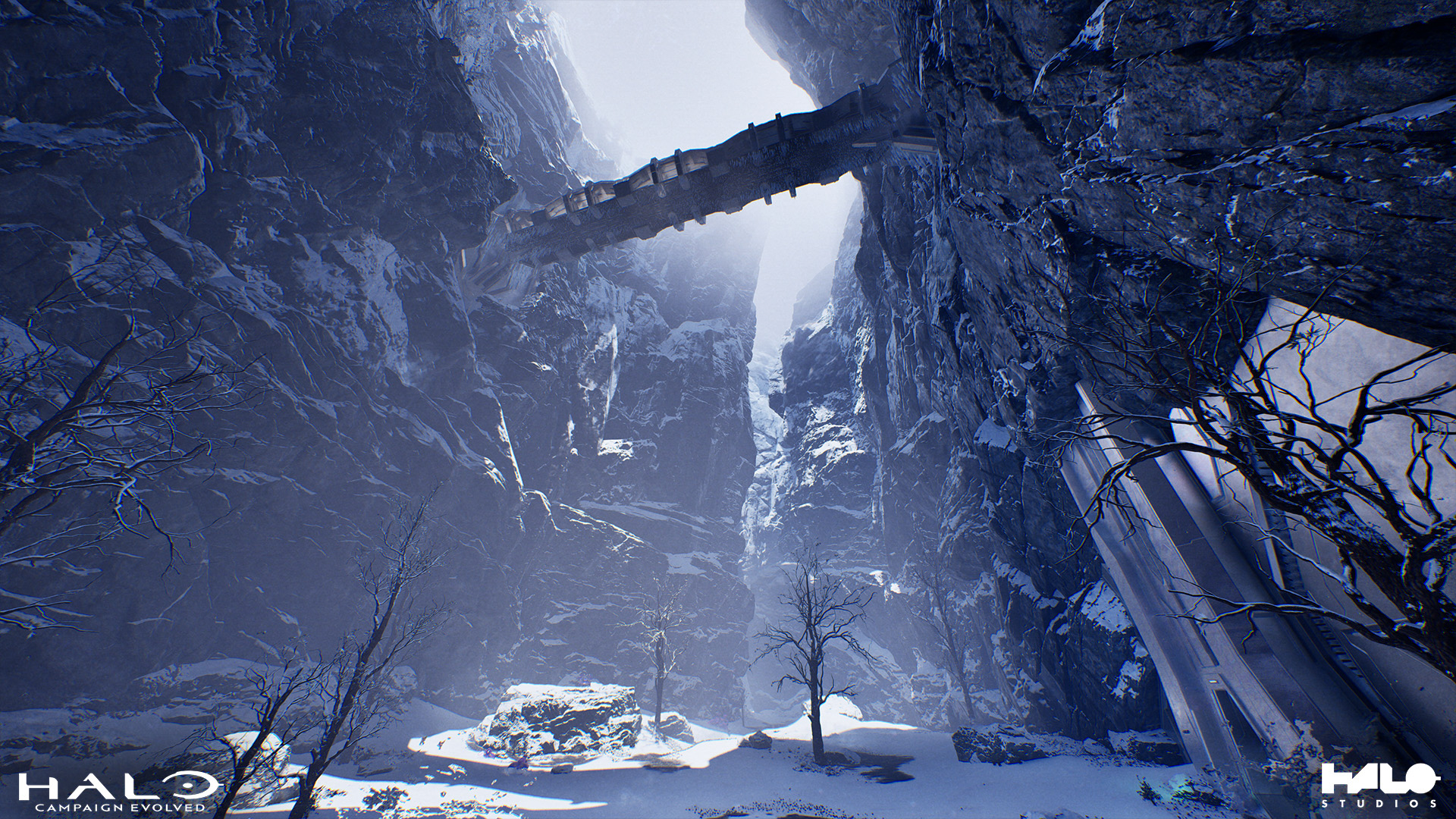
What’s something you’re particularly proud of now that all the team’s work and execution is on display in the final game?
DT: We landed compelling visuals that still felt true to the original. Campaign Evolved is a visual feast brought together through our passion for Halo, talent and grit. I couldn’t be prouder of our art team and what they’ve accomplished.
CM: I could not be more proud of the Halo Studios team and the way they committed themselves to building this game with authenticity, care, and a real openness to community feedback. We had one clear goal; to create a love letter to the original game while making it exciting and relatable for both longtime fans and new players. Seeing that work come together in the final game is incredibly rewarding, and I cannot wait for what we do next.
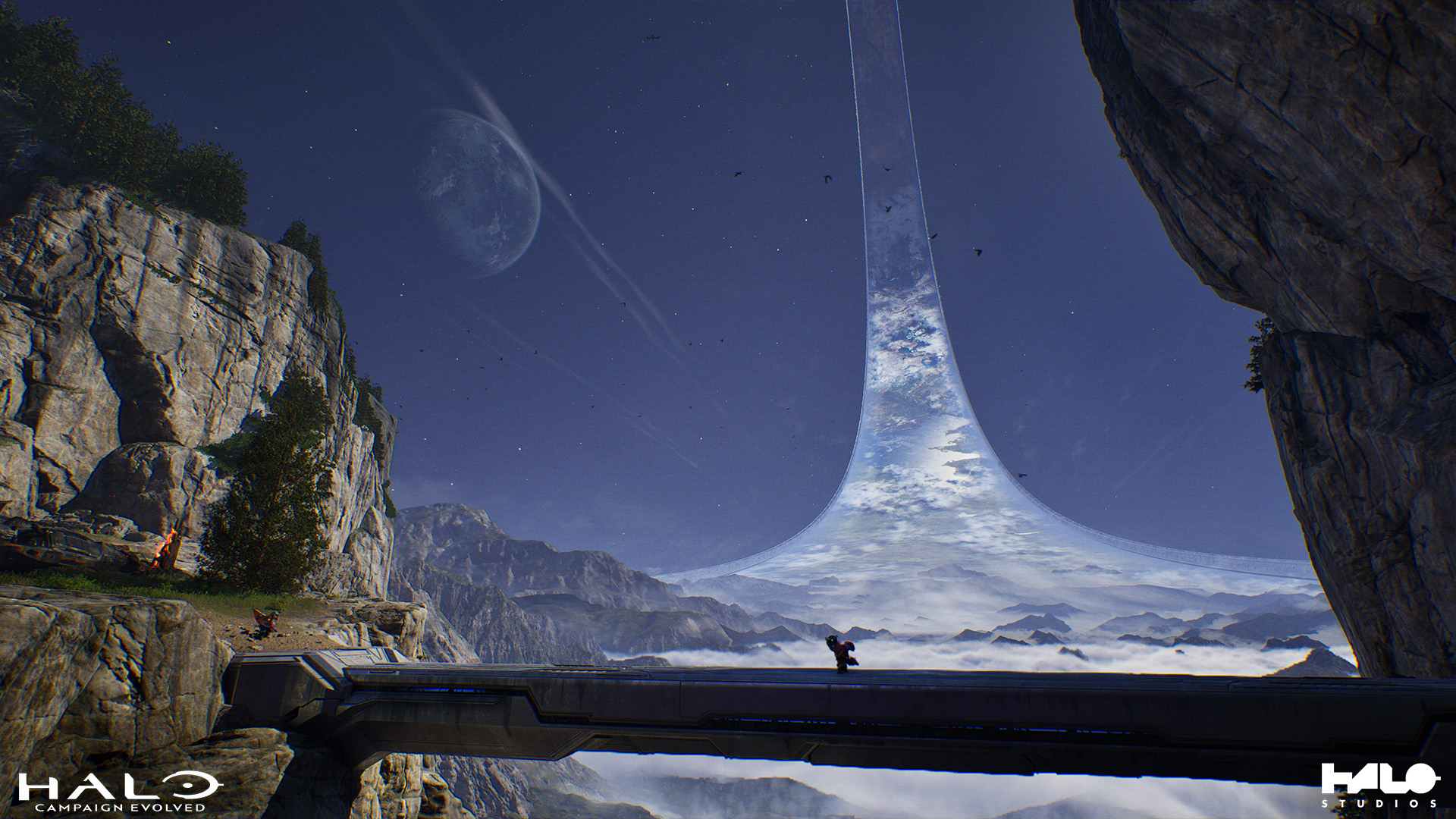
When a player loads into Halo: Campaign Evolved for the first time later this month, what do you want their experience to be in terms of the art and design of this game?
DT: Hope and excitement. This is Halo Studio’s first offering and a taste of the future of Halo.
CM: When players load into Halo: Campaign Evolved for the first time, we want longtime fans to feel the same awe and excitement they felt when they first experienced Halo, and we want new players to feel the pull of adventure and the mystery of the ring. That intention starts immediately with the menu screen, which we fully recreated to match the scale, camera, and atmosphere of the original design. By using the in-game ring model, also seen in cinematics, we were able to create a stronger sense of consistency and make the world feel connected from the very first moment.
Thank you, Chris and Donnie, for taking the time to dig into the process and work that’s gone into realizing the look and feel of Halo: Campaign Evolved!
We are excited to welcome players to immerse themselves in Alpha Halo firsthand when we launch on July 28 (or pre-order the Premium Edition now for Early Access up to 5 days early beginning July 23). To learn more, check out more at the links below: