






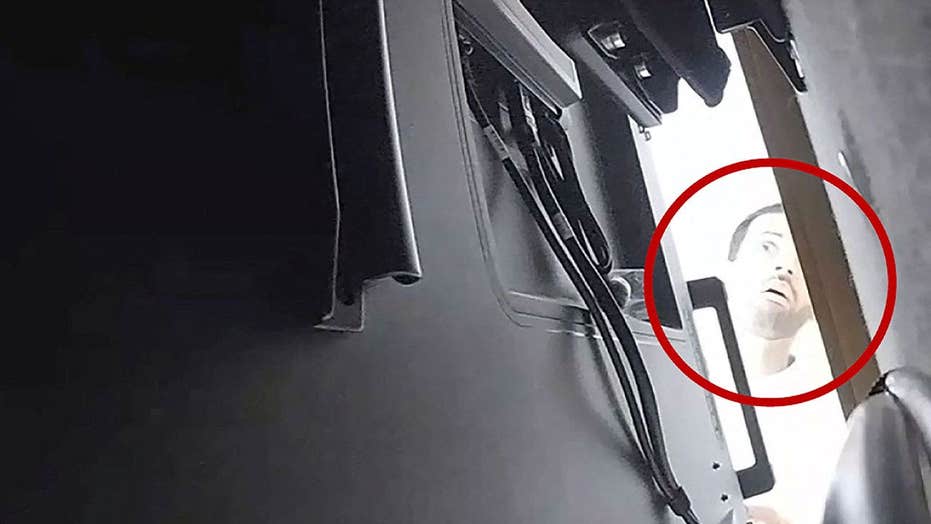







Why horror games still resonate with gamers | Beyond Fear author Nick Akerman interview
Nick Akerman, a freelance writer and social media manager, has spent decades covering or working in the game industry. Over time, he developed a taste for horror games and has just published the non-fiction book Beyond Fear: Inside Action Horror Games. An interview-driven exploration of action horror games and the people behind them, revealing how developers design fear while navigating the difficulty of pressure and expectation. He tackles questions that hardcare fans think about. What is the scariest moment in an action horror video game? Is it your first encounter with the Xenomorph in Alien: Isolation? The iconic zombie dog jump scare in Resident Evil or the slow trek through Half-Life 2’s Ravenholm? (For me, one of the big moments was seeing a flame burst coming out of the dark in the original Doom). Since fear is personal and enigmatic, Akerman pursued interviews with developers who have thought about fear as they created memorable horror experiences in video games. In Alien: Isolation, you’re almost powerless. Source: Sega The result is an intimate collection of exclusive first-hand interviews that dissect the intentional design choices of the genre’s best and most interesting games. It’s a book about success, failure and lasting impact. He interviewed Ken Levine, who broke down as he criticized his own perfectionist tendencies, like adding boss fights in horror games that didn’t need them. Akerman talked to John Romero about Doom’s overlooked horror. And Akerman spoke with Half-Life’s Marc Laidlaw as he confronted the prospect of a career unfulfilled. The contrasting fortunes of Aliens: Colonial Marines and Alien: Isolation are charted by those who lived it. Resident Evil Village star Maggie Robertson celebrates Lady Dimitrescu. As a writer, Akerman has worked with Eurogamer, IGN, Gamespot, all the publications inThe result is an intimate collection of exclusive first-hand interviews that dissect the intentional design choices of the genre’s best and most interesting games. It’s a book about success, failure and lasting impact. gaming — as well as, back in the day, GamesBeat. He has also worked with soccer clubs like Manchester United and the England national team. He also used to work on social media for Call of Duty, World of Warcraft, and Activision properties. In the horror book, Akerman peels back the skin of action horror games to reveal emotional stories and the decisions that can make or break the people behind them. Here’s an edited transcript of our interview. Nick Akerman is author of Beyond Fear: Inside Action Horror Games. Source: Nick Akerman GamesBeat: Can you give me some context on why you decided to get into horror games? Nick Akerman: The concept for the book–I felt like over the years, the idea came to me when I was losing a lot of online articles. A lot of articles I’ve written over the years have disappeared when websites have died. The act of preservation hit my mind a few years ago. The one thing that I love more than anything is horror games. I decided to start trying to document these stories. One of the key points in the book is that I love the chapters that are a long time after the game came out. The interviews you get when someone’s on a press tour versus the interviews you get 10 or 15 years in the future, they’re quite different. Doom wasn’t just an action game. It was a horror game. Source: id Software I started reaching out to people with the games I really cared about, that were massively impactful and games that I loved. The response was quite interesting. The interviews started by talking about the games, but as it went on, it became about the people. That’s one thing I love about the book. It puts the people behind the games in focus as well. I managed to get people to chat about things I never thought I would hear on camera. Head Crab in Half-Life. Source: Valve For example, Ken Levine, I spent a good couple of hours with him. He was really honest about the mistakes he’s made on BioShock, and his propensity to make those mistakes again. The way he can’t quite get himself out of doing things like adding boss fights to games that don’t need them. In real time, we were chatting about his boss fight designs. He was literally breaking down in front of me, saying, “I don’t know why I do this. I don’t know why I spent all this time putting this into a game when I’m a perfectionist elsewhere.” The one in BioShock is awful. It’s a really bad ending to a great game. Marc Laidlaw, the Half-Life writer, we got into stuff that I just didn’t expect. It became about his career. He basically told me that he thinks that after Half-Life, he never lived up to his potential, that he failed. As someone who’s writing their first book, it’s an interesting thing to hear. For me, I’m obviously at the start of this journey. GamesBeat: Did that ring true to you, or do you think he was being too hard on himself? Gordon Freeman in Half-Life 2. Akerman: I think he was being way too h

Nick Akerman, a freelance writer and social media manager, has spent decades covering or working in the game industry. Over time, he developed a taste for horror games and has just published the non-fiction book Beyond Fear: Inside Action Horror Games.
An interview-driven exploration of action horror games and the people behind them, revealing how developers design fear while navigating the difficulty of pressure and expectation. He tackles questions that hardcare fans think about.
What is the scariest moment in an action horror video game? Is it your first encounter with the Xenomorph in Alien: Isolation? The iconic zombie dog jump scare in Resident Evil or the slow trek through Half-Life 2’s Ravenholm? (For me, one of the big moments was seeing a flame burst coming out of the dark in the original Doom).
Since fear is personal and enigmatic, Akerman pursued interviews with developers who have thought about fear as they created memorable horror experiences in video games.
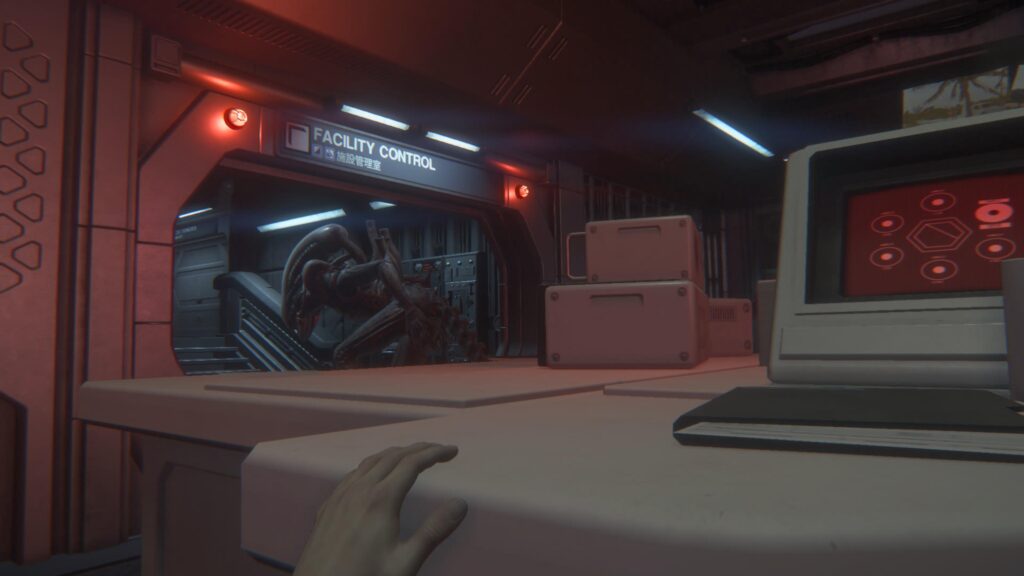 In Alien: Isolation, you’re almost powerless. Source: Sega The result is an intimate collection of exclusive first-hand interviews that dissect the intentional design choices of the genre’s best and most interesting games. It’s a book about success, failure and lasting impact. He interviewed Ken Levine, who broke down as he criticized his own perfectionist tendencies, like adding boss fights in horror games that didn’t need them.
Akerman talked to John Romero about Doom’s overlooked horror. And Akerman spoke with Half-Life’s Marc Laidlaw as he confronted the prospect of a career unfulfilled. The contrasting fortunes of Aliens: Colonial Marines and Alien: Isolation are charted by those who lived it. Resident Evil Village star Maggie Robertson celebrates Lady Dimitrescu.
As a writer, Akerman has worked with Eurogamer, IGN, Gamespot, all the publications inThe result is an intimate collection of exclusive first-hand interviews that dissect the intentional design choices of the genre’s best and most interesting games. It’s a book about success, failure and lasting impact. gaming — as well as, back in the day, GamesBeat. He has also worked with soccer clubs like Manchester United and the England national team. He also used to work on social media for Call of Duty, World of Warcraft, and Activision properties.
In the horror book, Akerman peels back the skin of action horror games to reveal emotional stories and the decisions that can make or break the people behind them.
Here’s an edited transcript of our interview.
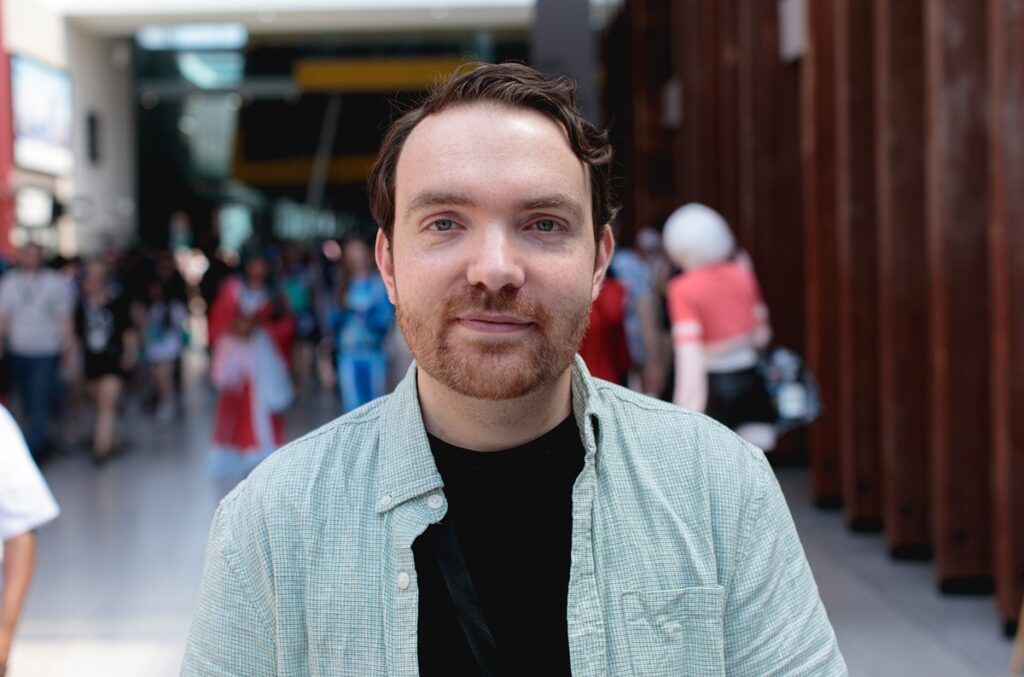 Nick Akerman is author of Beyond Fear: Inside Action Horror Games. Source: Nick Akerman GamesBeat: Can you give me some context on why you decided to get into horror games?
Nick Akerman: The concept for the book–I felt like over the years, the idea came to me when I was losing a lot of online articles. A lot of articles I’ve written over the years have disappeared when websites have died. The act of preservation hit my mind a few years ago. The one thing that I love more than anything is horror games. I decided to start trying to document these stories. One of the key points in the book is that I love the chapters that are a long time after the game came out. The interviews you get when someone’s on a press tour versus the interviews you get 10 or 15 years in the future, they’re quite different.
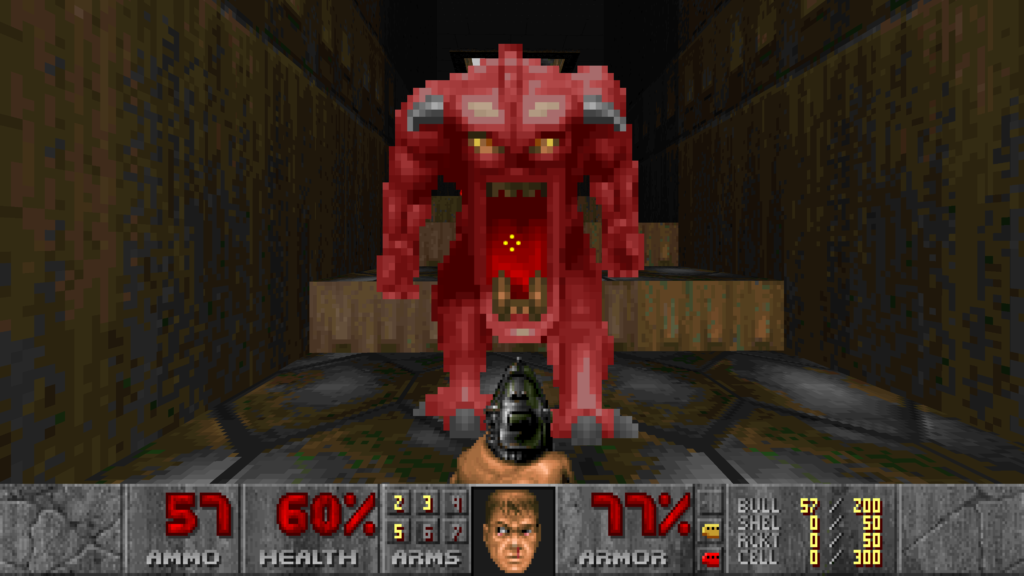 Doom wasn’t just an action game. It was a horror game. Source: id Software I started reaching out to people with the games I really cared about, that were massively impactful and games that I loved. The response was quite interesting. The interviews started by talking about the games, but as it went on, it became about the people. That’s one thing I love about the book. It puts the people behind the games in focus as well. I managed to get people to chat about things I never thought I would hear on camera.
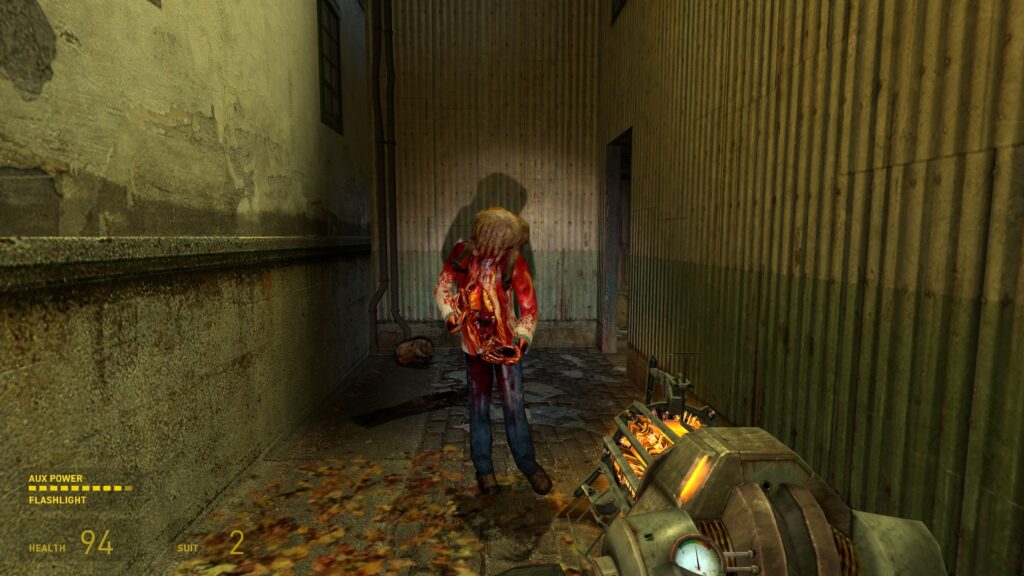 Head Crab in Half-Life. Source: Valve For example, Ken Levine, I spent a good couple of hours with him. He was really honest about the mistakes he’s made on BioShock, and his propensity to make those mistakes again. The way he can’t quite get himself out of doing things like adding boss fights to games that don’t need them. In real time, we were chatting about his boss fight designs. He was literally breaking down in front of me, saying, “I don’t know why I do this. I don’t know why I spent all this time putting this into a game when I’m a perfectionist elsewhere.” The one in BioShock is awful. It’s a really bad ending to a great game.
Marc Laidlaw, the Half-Life writer, we got into stuff that I just didn’t expect. It became about his career. He basically told me that he thinks that after Half-Life, he never lived up to his potential, that he failed. As someone who’s writing their first book, it’s an interesting thing to hear. For me, I’m obviously at the start of this journey.
GamesBeat: Did that ring true to you, or do you think he was being too hard on himself?
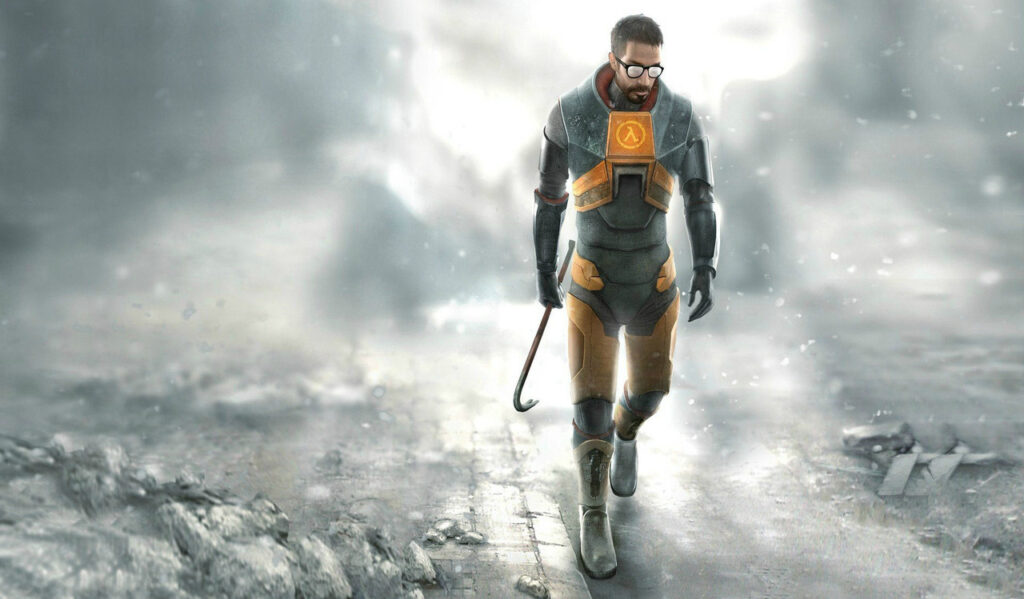 Gordon Freeman in Half-Life 2. Akerman: I think he was being way too hard on himself. He wrote the Half-Life games. What more could you want to achieve in writing? But he said to me that he felt like he came into Half-Life as a quite lucky position. He felt like he was in the right place at the right time on the right team. It might not have happened if it was a year later or the year before. From there, he had that luck.
They had such a good relationship that they obviously went on to write a couple of games together. Then he was held in such high regard–he writes novels as well. But he was never able to translate that success across. He had a fairly decent-selling novel before Half-Life, I think it was. But Half-Life raised his profile, and from there–it was quite eye-opening for me, and emotional. He’s in his mid-60s, heading toward 70. He feels this way after writing a game that so many people love, that has impacted so many things across the world–I know that myself, as a writer, I’m always thinking if I’m good enough to do something more. What should I do next? To see him have that mindset after two of the best games of all time was quite eye-opening, to be honest.
GamesBeat: What was your take on Doom that John Romero references in the preface here?
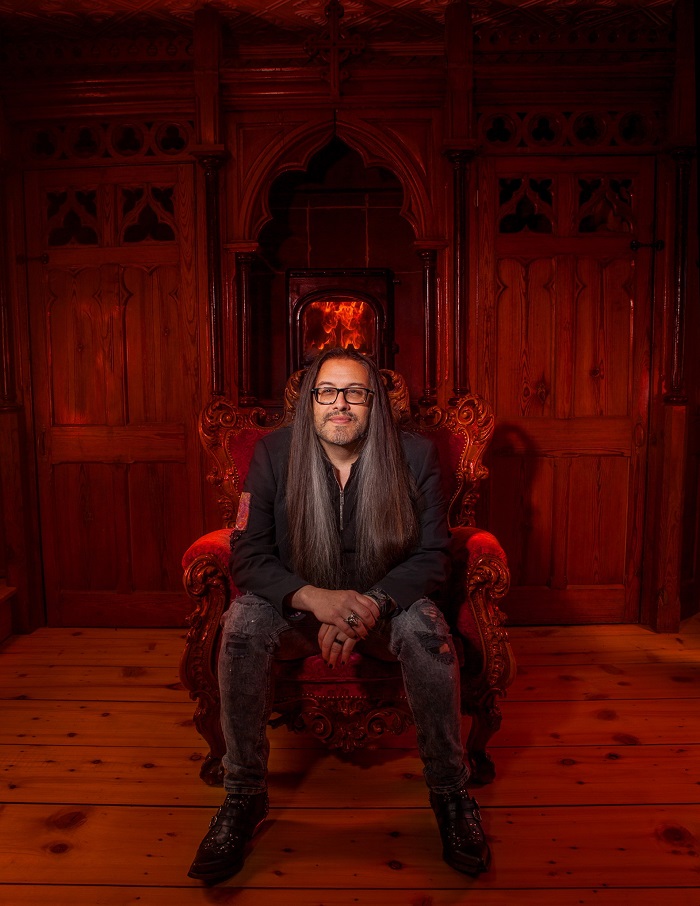 John Romero on the bloody throne built on the success of Doom. Akerman: John wrote the foreword and he’s the main interview subject for the first chapter. That was really cool, actually, because Doom–I approached that interview as, let’s talk about Doom as a horror game. Let’s not focus on how it’s a seminal first-person shooter. When people talk about Doom, they just talk about it being a really important shooter. The horror elements–the chapter is based around John saying that his intention was scary. His intention was to make a horror game. He talked about it through that lens, which I think was a different way to approach it.
John got really into the nitty-gritty of the lighting design and things like that. His influences across the years. He consumed so much media, so many films–he talked about things that you wouldn’t even expect are influencing him now. He loves Ghost Recon Wildlands. There’s elements of that that he takes horror from. There’s a really interesting part where we talk about what he would look to put in a game now.
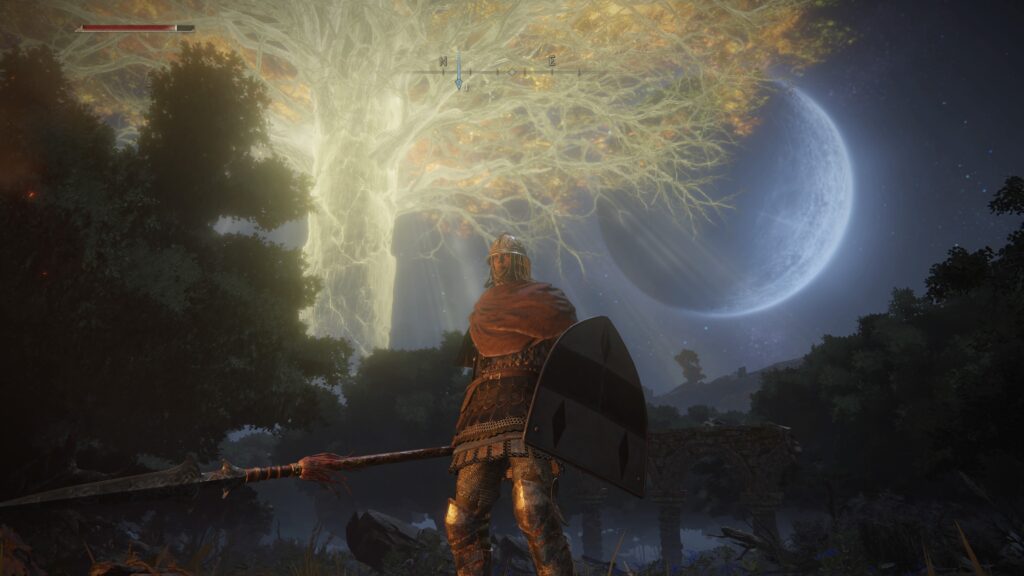 Elden Ring has amazing visuals. Obviously he’s still working in games. But he was really interested in exploring the Elden Ring style of game, From Software’s games. There are some really nice quotes in the book about working out what his enemies would look like in that type of game. He talks about Lovecraft, who was also a huge influence on Quake. Hearing him, in real time, thinking about, “Well, this would be cool…” You can see his brain ticking.
I’m sure you’ve talked to John a lot over the years. He’s just such a crazy guy. I feel like we always end up brainstorming a game on the fly. He’s that kind of person. It was a really fun chat. His Elden Ring stuff–he’s really into that game. He really loves From Software and that kind of Lovecraftian horror, the eldritch horror.
GamesBeat: When I think of Doom, I always think of it as a shooter, but I do remember the thing that sticks with me is those flame demons, the Arch-viles. One of the first times you encounter them, it’s looking into a dark hallway, completely black, and then you just see the flame coming out at you. You don’t know where it came from. That sticks with me, that I was genuinely scared of what was down that hallway.
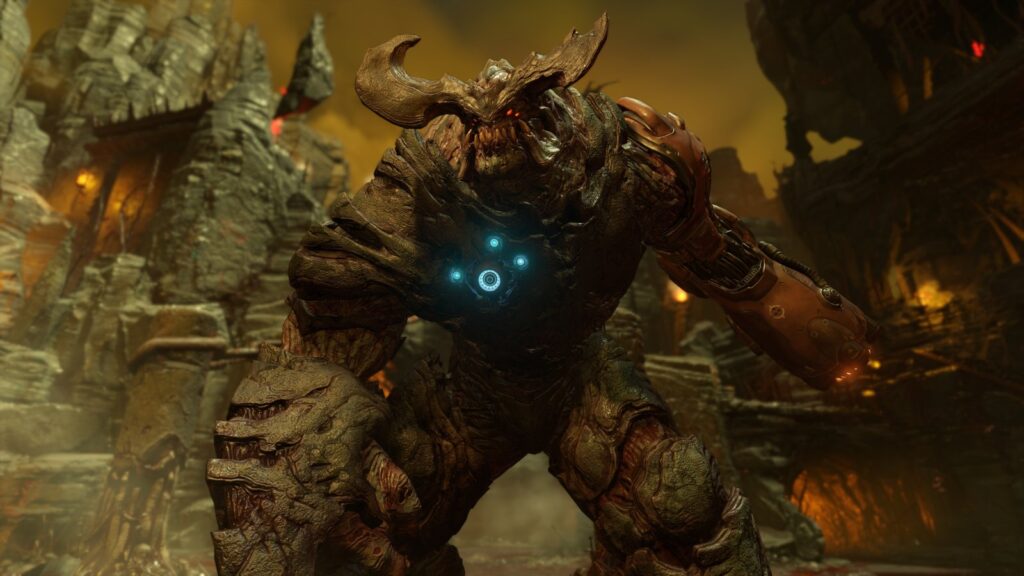 Doom 2016’s Cyperdemon. Source: id Software Akerman: Exactly. We talked about that moment. There’s an early moment in Doom where the lights go out. You have to push forward. That’s something John speaks about. The philosophy behind that was, you have to push forward. We’re not going to let you backtrack. If you see a dark room with a scary demon in it, you have to go in there.
The funny thing for me is–Doom, to me, was always a horror game, because I was two years old when it came out. My dad played it on the PC. We had the physical box, the big box with the demon face on the front. I was scared by that. I could only look over his shoulder and see the game. The box scared me. So I’ve always thought of it as a horror game. Of course as I’ve grown up I’ve learned how important it is to the FPS genre, but I think coming at it from the horror approach–I feel like it gave John a bit of energy to talk about it like that. He’s obviously gone over the FPS stuff a lot. He seemed excited that that was the angle we took.
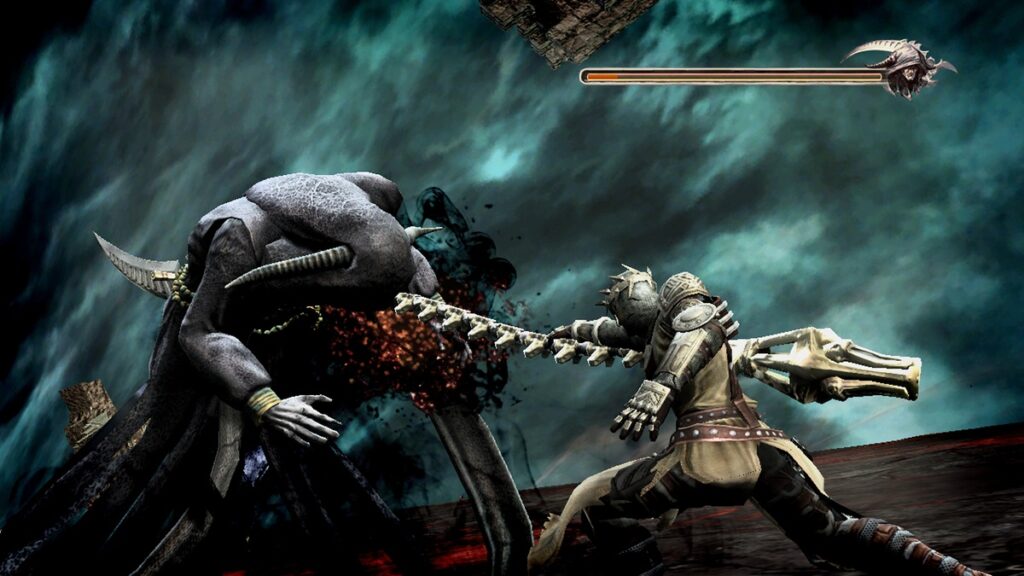 Dante’s Inferno. Source: Electronic Arts I’m glad we did that. It established the theme of the book pretty well. John’s very open. He talked about himself. He’s very honest about circumstances and so on. That opened the doorway to showcase the people as well as the games. I’m very happy I did that.
GamesBeat: We sent a writer to the Doom anniversary at QuakeCon. John was there with the three other guys. It was a little disappointing that they didn’t talk as much about some of the most difficult moments, given that three of the guys on the panel were fired by one of the others.
Akerman: The horrible thing is, Romero Games had a lot of layoffs during the writing of the book. There’s a lot of–when I spoke to John he was super excited. I think they had just gotten funding when I first spoke to him. There’s quite a bit of talk about that in the book, how the industry has changed. My interview access changed because of the layoffs at different places. I had interviews lined up that I never got to carry out, because people got fired. Again, going back to this theme about preservation–we all know about the games. We all know certain things about games. But I also really like to contextualize it with the people. That’s something I kept coming back to. I’m really proud of that.
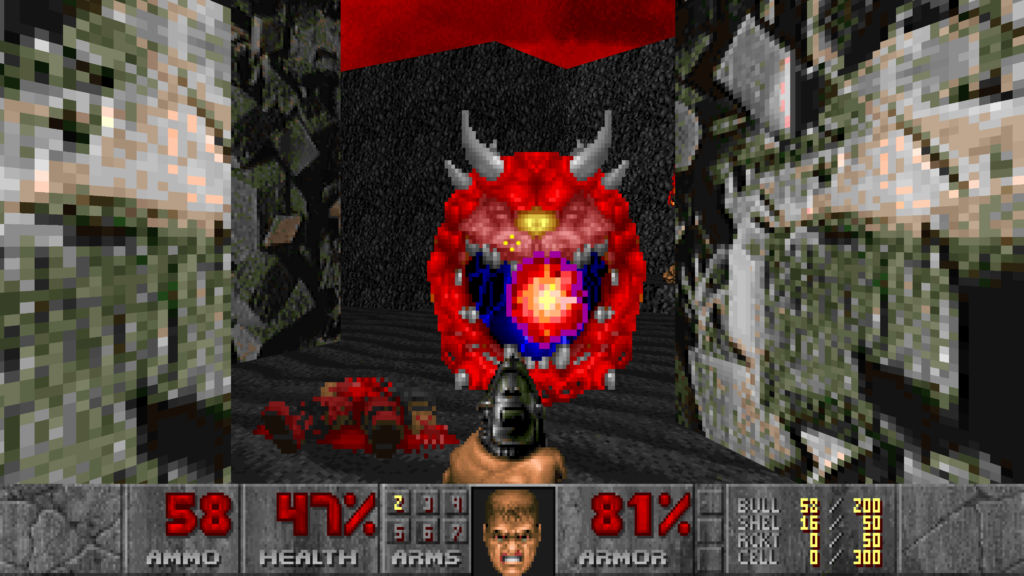 From the original Doom. Source: id Software GamesBeat: I like what [Romero said in the forward] about horror, that there’s this push and pull between empowerment and vulnerability. You have weapons and agency, but no control over the situation.
Akerman: That was one of the things I wanted to explore. You can give the player a gun, but that shouldn’t be the answer to all the questions in a game. There’s a chapter on Colonial Marines, and then there’s a chapter on Isolation, the two Alien games. To see that push and pull between those games, and also the parallels between the teams and the situations–the Colonial Marines chapter is pretty warts-and-all. They’re pretty honest, pretty brutal. Then the Isolation chapter, you can see how different the circumstances are, and how that created a game that could be more confident. Not having a main weapon for most of the game was a pretty bold choice. We forget that now, but at the time that was something new. Outlast was about to do it as well.
Colonial Marines went in with the Starship Troopers style, everyone’s gonna have a gun and you’re gonna fire it. But to have the confidence, and situate it in the studio–with the studio around them, they could do that. That was a game-changer. That’s such an important moment for where the horror genre is now. First-person horror exists in its form now because of Alien: Isolation, Outlast, and PT I would say. Those chapters are really interesting back to back. It was good to talk to everyone involved.
GamesBeat: I feel like horror has succeeded in becoming an evergreen genre in games. It’s not something that people get tired of. Call of Duty, a lot of people seem to be tired of Call of Duty now. The developers are having to resort to things like the weird dreamscapes in Black Ops 7 because they’ve gotten feedback that people are tired of the usual Call of Duty, but people don’t seem happy with that either. I don’t hear that so much about horror. There’s still a rich vein of original horror movies being made, and also horror games. It’s a healthy genre when it comes to accommodating new content.
Akerman: I think people turn to horror when there’s stress in the real world, whatever the situation is. That happens with movies as well. A lot of movies now are based on AI obsessions and things like that. One of the things that makes horror games so interesting for me is that you don’t need a huge budget to do an effective one. With a lot of first-person shooters, it’s pretty dominated by the big names. It’s tough to break through. You’re not going to see an indie shooter do particularly well up against the big ones. But with horror you don’t need a certain level of graphics, all the processor power in the world. You just need a concept. You just need something scary.
GamesBeat: To me it feels also like understated horror is more interesting, and more frightening.
Akerman: Totally. PT is my favorite thing, my favorite horror experience. That really stuck with me. To be honest, PT was what led me down the route of wanting to write about horror games and read about horror games. I included a chapter in the book on Returnal and Housemarque, because they obviously come from an arcade-style background, yet they managed to pull off–Returnal is an action game, but it’s scary as hell. It’s a very intense game. I know a lot of people who have dropped off playing it because the atmosphere is so intense.
One of the things I’m exploring is the feeling of powerlessness when you’ve got a weapon. If you’re good enough in Returnal, you’re good enough. But it’s such an interesting game to me, especially–the final level is the complete opposite of the rest of the game. How that works in terms of the player’s situation is terrifying to me. I found it really scary. Even though I’ve got a gun, and I know I can take these things down if I’m good enough. It was really interesting to hear about that design and how they went from arcade to–it’s still an arcade game, but with the pressure of making a first-party title that they wanted to sell.
GamesBeat: The realism of the horror in something like The Last of Us is also something that sticks with me.
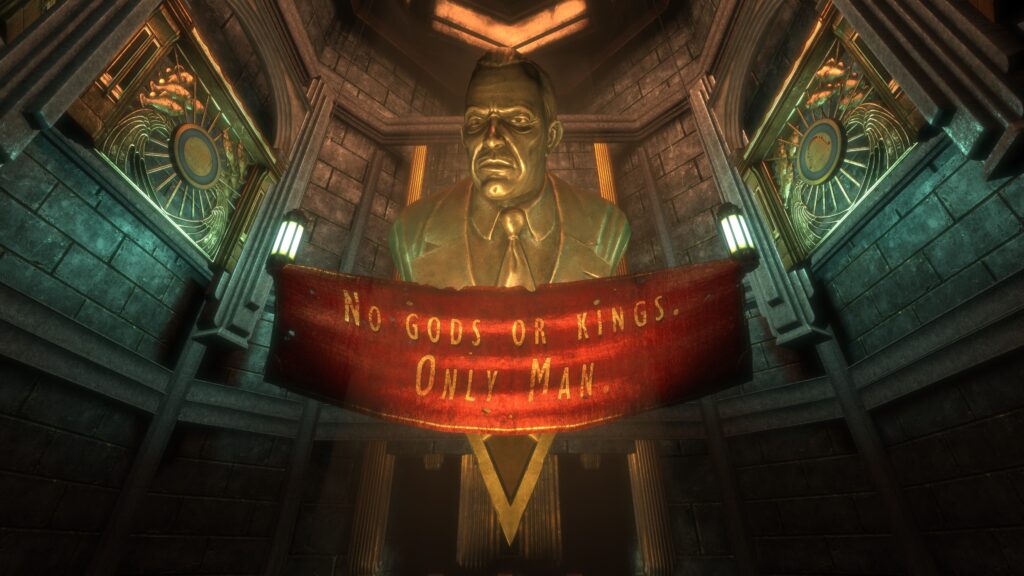 BioShock had its horrors and surprises. Source: 2K/Irrational Games Akerman: There’s scary in the quiet moments. I talk about this, again, in the book. Ken Levine said that you should be able to think about the beast when it’s not hunting you. What’s it doing in the quiet time? Is it resting? Is it sleeping? For me, that kind of energy was in The Last of Us. You obviously have the opening, which is iconic, so full of energy, and then it slows down a bit. It’s those moments, for me, that are where the horror is. Those little moments of silence in between the gunfights and so on.
GamesBeat: Who else did you talk to that became a key part of the book?
Akerman: I talked to John Romero from Doom, Marc Laidlaw from Half-Life, Ken Levine from BioShock. I did Dante’s Inferno, Jonathan Knight. That was a big thing because it was a very controversial game at the time. Hack and slash horror, but with a lot of environmental horror that was pretty different and pretty interesting. Again, how you can take horror from having a big scythe and being able to kill everything. That was quite a difficult interview, because there was a lot of controversy over the game, and I wanted to address that as well. That was quite interesting.
Maggie Robertson of Resident Evil Village, which was really cool. That’s the final chapter, actually. It was quite positive. I thought it was quite a nice way to end, because it speaks about community and how the horror community have pushed Maggie Robertson and Lady Dimitrescu to become big characters. Really given her a career. The last chapter is sort of about the power of horror and the horror community, which is a theme I was trying to push through the whole book.
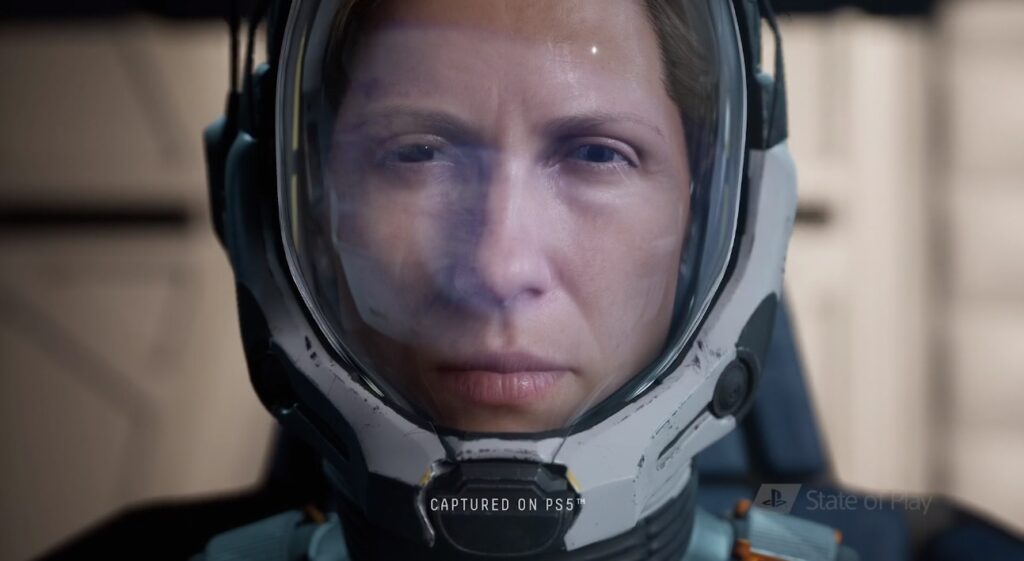 Returnal was one of the big award winners of 2021. Returnal was Gregory Louden, as well as Eevi Korhonen. She was one of the narrative designers. Alistair Hope of Alien: Isolation. Two guys, I can’t remember their names off the top of my head, on Alien: Colonial Marines. That was also interesting because they’d both worked on the Fear series, which has great combat. I was playing Fear recently and it’s got really good combat still. They talked about how that failed to translate across to the Alien game, which was really interesting.
GamesBeat: Bloober Team seems like they would be interesting, a team that’s chosen to specialize in horror.
Akerman: Yeah, I’d love to speak to them, but at the point I was doing interviews–they’d only just released Layers of Fear. Silent Hill hadn’t been announced yet, so they hadn’t yet done very much action. Blair Witch may have just come out.
GamesBeat: The other thing I think of about the horror in Doom–the splatter and gore seems to desensitize you to a point where that aspect almost becomes funny. What scares you is more like the things you don’t see. The sound of unseen enemies. It reminds me of Hellblade, where you’re fighting in a circle, and there’s light inside that circle, but the thing that’s hunting you is out in the dark.
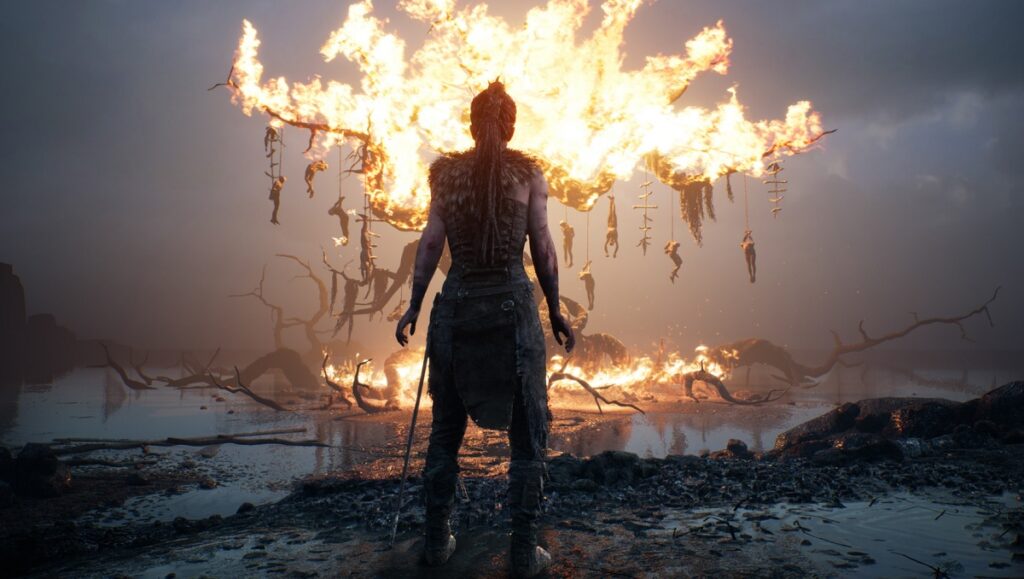 Real or madness? It’s all too real for Senua in Hellblade. Akerman: The ultimate scary moment for me is in PT, where you’re walking down the hallway. You don’t have to see it. A lot of people didn’t see it the first time they played it. But there’s a balcony, and if you look out at one specific time, you can see Lisa, the ghost. She’s standing on the balcony. You can walk past that and not see it. That, to me, is terrifying. That’s so scary to me, that that has happened and I’ve missed it. Same with the way she can walk behind you. You can hear the footsteps and sometimes she might be there, other times she might not. You can miss all these tiny things. She appears in the window once. The fact that you can exist in the space and she is still–she’s haunting you in that way. That’s super scary to me, rather than cartoon violence and blood everywhere and so on. That’s not scary at all.
I love being able to walk past the horror and miss it. I think that’s really interesting.
GamesBeat: Are there some examples of people you think have escalated their work in horror over time? Throughout their careers they’ve gotten better and better at it.
Akerman: Sam Barlow is getting better and better at horror with every game he releases. I don’t know how many of his games you’ve played, but I thought Immortality was a stunning piece of work.
GamesBeat: I got through Her Story and Telling Lies, but not Immortality yet.
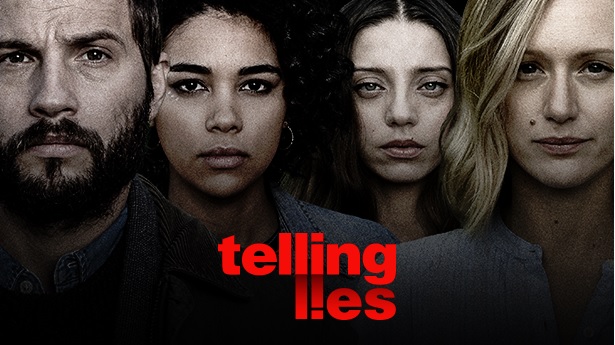 There are more than 30 onscreen characters in Telling Lies. Akerman: The production value and the thought behind it is honestly brilliant. I did speak to Sam, but in the end I didn’t include his stuff in the book, just because it didn’t fit in with the action stuff. I’ll be speaking to him for some future projects. He’s definitely one. Any others–it’s a bit of an easy answer, but I find From Software games pretty scary, in a good way. I love Bloodborne. The setting for that is one of my favorites in any game.
I do think you have to look at a creator’s full list of games, because I think horror takes a while to coax out for it to be effective. I really like what the Darkest Dungeon guys did. I don’t know if you played Inscription as well. There’s a lot of really good horror indie games.
GamesBeat: The one that I spent a lot of time with–I can’t say it was the most exhilarating horror, but Until Dawn was one that stuck with me. I played that over and over again. We wrote the tips on how to save all the characters.
Akerman: I was going to include them in the book and the interview fell through. I think there were some–not sackings, but restructuring stuff going on. I had the interview lined up and ready to go, but I wasn’t able to include them in the end. I thought Until Dawn was great. The disappointing thing with that type of game–I think they’ve gotten worse as they’ve gotten on (with titles like The Dark Pictures series). I think Until Dawn is the high point. I feel like it’s tailed off a bit. I know we have the sequel coming out, so hopefully it returns to that level. But as the first game of that style, it was great. I loved it.
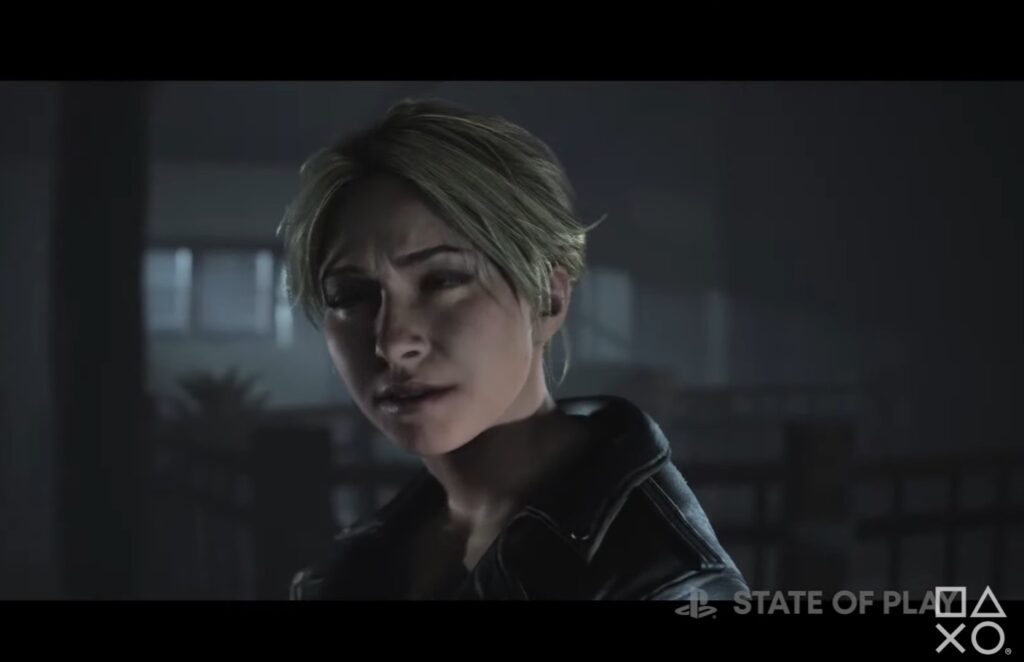 Hayden Penetierre was one of star voice actors of Until Dawn, the game. GamesBeat: There are live service games like Hunt: Showdown or Dead By Daylight. What do you think of those kinds of experiences?
Akerman: It’s not quite for me. As we were saying earlier about Call of Duty, once you have a game that starts adding in different characters from different franchises and so on, I tend to lose a bit of interest as far as–it feels not particularly authentic to me. I’ve spent some time with those games, but they don’t quite speak to me. My brother loves the World War Z game, which is fun, but co-op horror just isn’t that scary, I don’t think. You have someone next to you laughing or doing something silly on their headset. I definitely prefer the lights off, headphones on, something stalking me on my own computer rather than having lots of weapons and hiding and so on. To be fair, the Jason game was quite fun.
GamesBeat: Mike Minotti, one of my former colleagues, would never play horror games. He was a Disneyland kind of guy. What do you think about that kind of psychology?
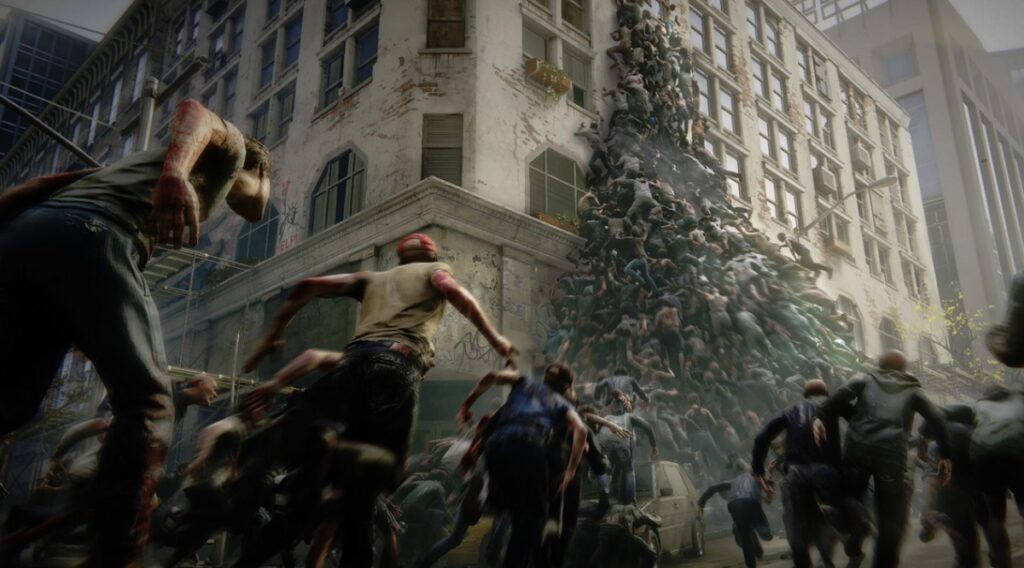 World War Z’s horde. Akerman: It’s funny actually. When you say you love horror games, people either are very excited or they don’t want to engage at all. You don’t meet people who say, “Eh, I kind of like horror.” People are either passionate about it or they’re not. It’s sort of the same reaction, just a different emotion. There are people who love thrills. For me, the scare isn’t the bit that I look for. It’s the feeling in between the scares. It’s those bits where you know something is about to happen and you feel how tense it is.
I guess it’s kind of like going on a roller coaster. Some people love the bit where you fly down, and some people love the bit where you’re going up. And then a lot of people are Disneyland types of guys. To me that’s more scary than a horror story, having to run around Disneyland.
GamesBeat: There’s a thrill in surviving. You’ve found a way to escape the horror, to outwit whatever this thing is that’s so much more powerful than you. Using your brain to escape something.
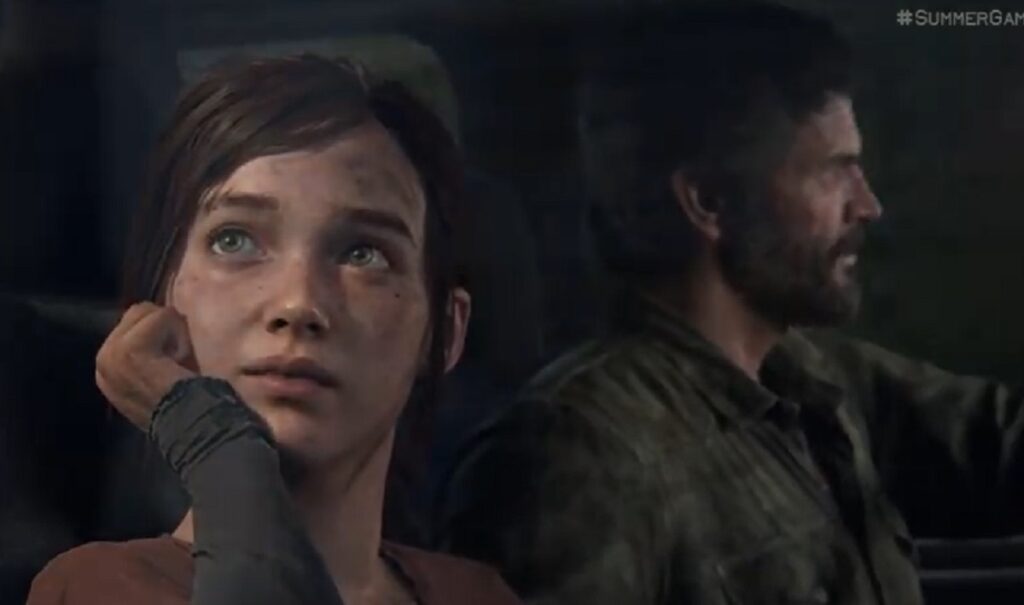 Ellie and Joel from The Last of Us video game of 2013. Akerman: I always remember when The Last of Us first came out, hiding in corners and being able to see the enemy through the walls, where you’ve planted your traps and so on. When you have just one homemade bomb left, for that to work was always really satisfying.
GamesBeat: I feel like there’s something to do with how people see the world and whether or not they like horror in their recreational time. When there are bad things happening in the world around you, maybe you don’t want to also look for bad things happening in the games you play.
Akerman: I feel the opposite. I kind of feel like that’s when I engage with horror the most. I feel like horror reflects the time we’re in. Certainly with movies, and I think with games it’s heading toward that as well. What’s scarier? Doomscrolling X all day and seeing what people say there, or playing a horror game? For me the real world is scarier than anything I can play. It’s a bit of relief to put on something that’s just a horror game.
GamesBeat: I did always find it interesting to think of horror in a historical context, too. Invasion of the Body Snatchers as a movie became popular against the background of the Cold War and the fear of Communism. Your neighbor could be smiling at you while they’re secretly trying to bring down your country.
Akerman: Godzilla is another good example, inspired by the fear of nuclear war. It goes all the way back.
GamesBeat: There’s an interesting breadth to horror. There are so many things to be afraid of.
Akerman: That’s a great way of looking at it. So many classic horror films are still relevant. Gaming is still in its infancy compared to movies, but we’re seeing that horror games are proving to be that way as well. There’s a reason we’re remaking Resident Evil and that kind of thing. These are turning out to be just as important as Alien was. It holds just as true now, the feeling and the intent behind it. We’re just at a younger place in the medium.
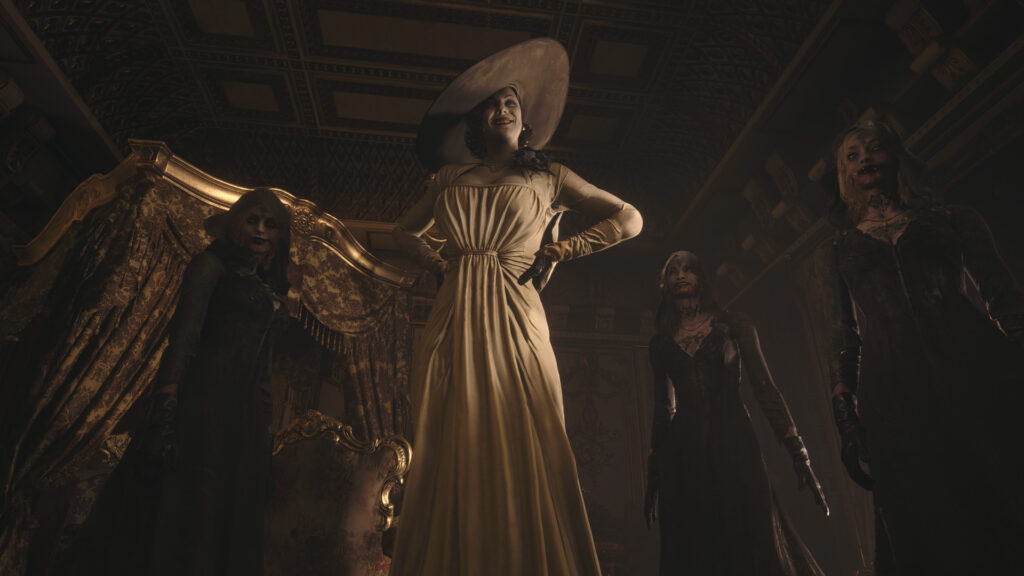 Lady Dimitrescu and family from Resident Evil: Village. Source: Capcom GamesBeat: What else do you like to play? Or do you just stick to horror?
Akerman: Oh, I play all sorts. I still review games. I play old games. I play a lot of indie games. I just started reviewing Stalker 2’s DLC, which is scary in its own right.
GamesBeat: What are you doing now, going forward?
Akerman: I’m a freelance writer and social media manager. I work in gaming and sports. I’ve worked with Eurogamer, IGN, Gamespot, all the publications in gaming. I’ve also worked with football clubs like Manchester United and the England national team. I used to work on social media for Call of Duty and World of Warcraft, Activision properties. A bit of everything. I’m very lucky to have made gaming and sports, my two big loves, into my career. It’s the good kind of freelancing, when you can dip in and out. Horror games and football are my two big ones.
GamesBeat: So you’ve mixed being in the industry and looking at it from the outside.
Akerman: Yeah, 100%. I think that’s given me a different perspective on things. To be honest, I would have stayed full time in games, but the money just wasn’t there. There’s very few positions, and that was when I started. I started writing in 2007. If I were getting started now, I wouldn’t even know where to begin. It’s so much tougher.
GamesBeat: It’s still a big industry. I think the problem is that so many people want to work in it.
Akerman: For me, the balance is important. When I spent all my time reviewing games, it got to a point where I couldn’t play a game for fun without my review mind on. With football and sports, when I was reporting on a match or writing about transfers and things, it got to where I couldn’t watch a match without having my analytical mind on. So to have that balance has been really good for me. It allows me to watch things as a fan, but also be able to switch on the analytical brain as well.
Part of the reason a lot of conversations in the book come across as they do is I am looking in both directions. I’ve been in the industry. I know how people feel in it. I know they have difficulties. But at the same time I can see the wider view as well.
The post Why horror games still resonate with gamers | Beyond Fear author Nick Akerman interview appeared first on GamesBeat.
An interview-driven exploration of action horror games and the people behind them, revealing how developers design fear while navigating the difficulty of pressure and expectation. He tackles questions that hardcare fans think about.
What is the scariest moment in an action horror video game? Is it your first encounter with the Xenomorph in Alien: Isolation? The iconic zombie dog jump scare in Resident Evil or the slow trek through Half-Life 2’s Ravenholm? (For me, one of the big moments was seeing a flame burst coming out of the dark in the original Doom).
Since fear is personal and enigmatic, Akerman pursued interviews with developers who have thought about fear as they created memorable horror experiences in video games.
In Alien: Isolation, you’re almost powerless. Source: Sega The result is an intimate collection of exclusive first-hand interviews that dissect the intentional design choices of the genre’s best and most interesting games. It’s a book about success, failure and lasting impact. He interviewed Ken Levine, who broke down as he criticized his own perfectionist tendencies, like adding boss fights in horror games that didn’t need them. Akerman talked to John Romero about Doom’s overlooked horror. And Akerman spoke with Half-Life’s Marc Laidlaw as he confronted the prospect of a career unfulfilled. The contrasting fortunes of Aliens: Colonial Marines and Alien: Isolation are charted by those who lived it. Resident Evil Village star Maggie Robertson celebrates Lady Dimitrescu.
As a writer, Akerman has worked with Eurogamer, IGN, Gamespot, all the publications inThe result is an intimate collection of exclusive first-hand interviews that dissect the intentional design choices of the genre’s best and most interesting games. It’s a book about success, failure and lasting impact. gaming — as well as, back in the day, GamesBeat. He has also worked with soccer clubs like Manchester United and the England national team. He also used to work on social media for Call of Duty, World of Warcraft, and Activision properties.
In the horror book, Akerman peels back the skin of action horror games to reveal emotional stories and the decisions that can make or break the people behind them.
Here’s an edited transcript of our interview.
Nick Akerman is author of Beyond Fear: Inside Action Horror Games. Source: Nick Akerman GamesBeat: Can you give me some context on why you decided to get into horror games?Nick Akerman: The concept for the book–I felt like over the years, the idea came to me when I was losing a lot of online articles. A lot of articles I’ve written over the years have disappeared when websites have died. The act of preservation hit my mind a few years ago. The one thing that I love more than anything is horror games. I decided to start trying to document these stories. One of the key points in the book is that I love the chapters that are a long time after the game came out. The interviews you get when someone’s on a press tour versus the interviews you get 10 or 15 years in the future, they’re quite different.
Doom wasn’t just an action game. It was a horror game. Source: id Software I started reaching out to people with the games I really cared about, that were massively impactful and games that I loved. The response was quite interesting. The interviews started by talking about the games, but as it went on, it became about the people. That’s one thing I love about the book. It puts the people behind the games in focus as well. I managed to get people to chat about things I never thought I would hear on camera. Head Crab in Half-Life. Source: Valve For example, Ken Levine, I spent a good couple of hours with him. He was really honest about the mistakes he’s made on BioShock, and his propensity to make those mistakes again. The way he can’t quite get himself out of doing things like adding boss fights to games that don’t need them. In real time, we were chatting about his boss fight designs. He was literally breaking down in front of me, saying, “I don’t know why I do this. I don’t know why I spent all this time putting this into a game when I’m a perfectionist elsewhere.” The one in BioShock is awful. It’s a really bad ending to a great game.Marc Laidlaw, the Half-Life writer, we got into stuff that I just didn’t expect. It became about his career. He basically told me that he thinks that after Half-Life, he never lived up to his potential, that he failed. As someone who’s writing their first book, it’s an interesting thing to hear. For me, I’m obviously at the start of this journey.
GamesBeat: Did that ring true to you, or do you think he was being too hard on himself?
Gordon Freeman in Half-Life 2. Akerman: I think he was being way too hard on himself. He wrote the Half-Life games. What more could you want to achieve in writing? But he said to me that he felt like he came into Half-Life as a quite lucky position. He felt like he was in the right place at the right time on the right team. It might not have happened if it was a year later or the year before. From there, he had that luck.They had such a good relationship that they obviously went on to write a couple of games together. Then he was held in such high regard–he writes novels as well. But he was never able to translate that success across. He had a fairly decent-selling novel before Half-Life, I think it was. But Half-Life raised his profile, and from there–it was quite eye-opening for me, and emotional. He’s in his mid-60s, heading toward 70. He feels this way after writing a game that so many people love, that has impacted so many things across the world–I know that myself, as a writer, I’m always thinking if I’m good enough to do something more. What should I do next? To see him have that mindset after two of the best games of all time was quite eye-opening, to be honest.
GamesBeat: What was your take on Doom that John Romero references in the preface here?
John Romero on the bloody throne built on the success of Doom. Akerman: John wrote the foreword and he’s the main interview subject for the first chapter. That was really cool, actually, because Doom–I approached that interview as, let’s talk about Doom as a horror game. Let’s not focus on how it’s a seminal first-person shooter. When people talk about Doom, they just talk about it being a really important shooter. The horror elements–the chapter is based around John saying that his intention was scary. His intention was to make a horror game. He talked about it through that lens, which I think was a different way to approach it.John got really into the nitty-gritty of the lighting design and things like that. His influences across the years. He consumed so much media, so many films–he talked about things that you wouldn’t even expect are influencing him now. He loves Ghost Recon Wildlands. There’s elements of that that he takes horror from. There’s a really interesting part where we talk about what he would look to put in a game now.
Elden Ring has amazing visuals. Obviously he’s still working in games. But he was really interested in exploring the Elden Ring style of game, From Software’s games. There are some really nice quotes in the book about working out what his enemies would look like in that type of game. He talks about Lovecraft, who was also a huge influence on Quake. Hearing him, in real time, thinking about, “Well, this would be cool…” You can see his brain ticking.I’m sure you’ve talked to John a lot over the years. He’s just such a crazy guy. I feel like we always end up brainstorming a game on the fly. He’s that kind of person. It was a really fun chat. His Elden Ring stuff–he’s really into that game. He really loves From Software and that kind of Lovecraftian horror, the eldritch horror.
GamesBeat: When I think of Doom, I always think of it as a shooter, but I do remember the thing that sticks with me is those flame demons, the Arch-viles. One of the first times you encounter them, it’s looking into a dark hallway, completely black, and then you just see the flame coming out at you. You don’t know where it came from. That sticks with me, that I was genuinely scared of what was down that hallway.
Doom 2016’s Cyperdemon. Source: id Software Akerman: Exactly. We talked about that moment. There’s an early moment in Doom where the lights go out. You have to push forward. That’s something John speaks about. The philosophy behind that was, you have to push forward. We’re not going to let you backtrack. If you see a dark room with a scary demon in it, you have to go in there.The funny thing for me is–Doom, to me, was always a horror game, because I was two years old when it came out. My dad played it on the PC. We had the physical box, the big box with the demon face on the front. I was scared by that. I could only look over his shoulder and see the game. The box scared me. So I’ve always thought of it as a horror game. Of course as I’ve grown up I’ve learned how important it is to the FPS genre, but I think coming at it from the horror approach–I feel like it gave John a bit of energy to talk about it like that. He’s obviously gone over the FPS stuff a lot. He seemed excited that that was the angle we took.
Dante’s Inferno. Source: Electronic Arts I’m glad we did that. It established the theme of the book pretty well. John’s very open. He talked about himself. He’s very honest about circumstances and so on. That opened the doorway to showcase the people as well as the games. I’m very happy I did that.GamesBeat: We sent a writer to the Doom anniversary at QuakeCon. John was there with the three other guys. It was a little disappointing that they didn’t talk as much about some of the most difficult moments, given that three of the guys on the panel were fired by one of the others.
Akerman: The horrible thing is, Romero Games had a lot of layoffs during the writing of the book. There’s a lot of–when I spoke to John he was super excited. I think they had just gotten funding when I first spoke to him. There’s quite a bit of talk about that in the book, how the industry has changed. My interview access changed because of the layoffs at different places. I had interviews lined up that I never got to carry out, because people got fired. Again, going back to this theme about preservation–we all know about the games. We all know certain things about games. But I also really like to contextualize it with the people. That’s something I kept coming back to. I’m really proud of that.
From the original Doom. Source: id Software GamesBeat: I like what [Romero said in the forward] about horror, that there’s this push and pull between empowerment and vulnerability. You have weapons and agency, but no control over the situation.Akerman: That was one of the things I wanted to explore. You can give the player a gun, but that shouldn’t be the answer to all the questions in a game. There’s a chapter on Colonial Marines, and then there’s a chapter on Isolation, the two Alien games. To see that push and pull between those games, and also the parallels between the teams and the situations–the Colonial Marines chapter is pretty warts-and-all. They’re pretty honest, pretty brutal. Then the Isolation chapter, you can see how different the circumstances are, and how that created a game that could be more confident. Not having a main weapon for most of the game was a pretty bold choice. We forget that now, but at the time that was something new. Outlast was about to do it as well.
Colonial Marines went in with the Starship Troopers style, everyone’s gonna have a gun and you’re gonna fire it. But to have the confidence, and situate it in the studio–with the studio around them, they could do that. That was a game-changer. That’s such an important moment for where the horror genre is now. First-person horror exists in its form now because of Alien: Isolation, Outlast, and PT I would say. Those chapters are really interesting back to back. It was good to talk to everyone involved.
GamesBeat: I feel like horror has succeeded in becoming an evergreen genre in games. It’s not something that people get tired of. Call of Duty, a lot of people seem to be tired of Call of Duty now. The developers are having to resort to things like the weird dreamscapes in Black Ops 7 because they’ve gotten feedback that people are tired of the usual Call of Duty, but people don’t seem happy with that either. I don’t hear that so much about horror. There’s still a rich vein of original horror movies being made, and also horror games. It’s a healthy genre when it comes to accommodating new content.
Akerman: I think people turn to horror when there’s stress in the real world, whatever the situation is. That happens with movies as well. A lot of movies now are based on AI obsessions and things like that. One of the things that makes horror games so interesting for me is that you don’t need a huge budget to do an effective one. With a lot of first-person shooters, it’s pretty dominated by the big names. It’s tough to break through. You’re not going to see an indie shooter do particularly well up against the big ones. But with horror you don’t need a certain level of graphics, all the processor power in the world. You just need a concept. You just need something scary.
GamesBeat: To me it feels also like understated horror is more interesting, and more frightening.
Akerman: Totally. PT is my favorite thing, my favorite horror experience. That really stuck with me. To be honest, PT was what led me down the route of wanting to write about horror games and read about horror games. I included a chapter in the book on Returnal and Housemarque, because they obviously come from an arcade-style background, yet they managed to pull off–Returnal is an action game, but it’s scary as hell. It’s a very intense game. I know a lot of people who have dropped off playing it because the atmosphere is so intense.
One of the things I’m exploring is the feeling of powerlessness when you’ve got a weapon. If you’re good enough in Returnal, you’re good enough. But it’s such an interesting game to me, especially–the final level is the complete opposite of the rest of the game. How that works in terms of the player’s situation is terrifying to me. I found it really scary. Even though I’ve got a gun, and I know I can take these things down if I’m good enough. It was really interesting to hear about that design and how they went from arcade to–it’s still an arcade game, but with the pressure of making a first-party title that they wanted to sell.
GamesBeat: The realism of the horror in something like The Last of Us is also something that sticks with me.
BioShock had its horrors and surprises. Source: 2K/Irrational Games Akerman: There’s scary in the quiet moments. I talk about this, again, in the book. Ken Levine said that you should be able to think about the beast when it’s not hunting you. What’s it doing in the quiet time? Is it resting? Is it sleeping? For me, that kind of energy was in The Last of Us. You obviously have the opening, which is iconic, so full of energy, and then it slows down a bit. It’s those moments, for me, that are where the horror is. Those little moments of silence in between the gunfights and so on.GamesBeat: Who else did you talk to that became a key part of the book?
Akerman: I talked to John Romero from Doom, Marc Laidlaw from Half-Life, Ken Levine from BioShock. I did Dante’s Inferno, Jonathan Knight. That was a big thing because it was a very controversial game at the time. Hack and slash horror, but with a lot of environmental horror that was pretty different and pretty interesting. Again, how you can take horror from having a big scythe and being able to kill everything. That was quite a difficult interview, because there was a lot of controversy over the game, and I wanted to address that as well. That was quite interesting.
Maggie Robertson of Resident Evil Village, which was really cool. That’s the final chapter, actually. It was quite positive. I thought it was quite a nice way to end, because it speaks about community and how the horror community have pushed Maggie Robertson and Lady Dimitrescu to become big characters. Really given her a career. The last chapter is sort of about the power of horror and the horror community, which is a theme I was trying to push through the whole book.
Returnal was one of the big award winners of 2021. Returnal was Gregory Louden, as well as Eevi Korhonen. She was one of the narrative designers. Alistair Hope of Alien: Isolation. Two guys, I can’t remember their names off the top of my head, on Alien: Colonial Marines. That was also interesting because they’d both worked on the Fear series, which has great combat. I was playing Fear recently and it’s got really good combat still. They talked about how that failed to translate across to the Alien game, which was really interesting.GamesBeat: Bloober Team seems like they would be interesting, a team that’s chosen to specialize in horror.
Akerman: Yeah, I’d love to speak to them, but at the point I was doing interviews–they’d only just released Layers of Fear. Silent Hill hadn’t been announced yet, so they hadn’t yet done very much action. Blair Witch may have just come out.
GamesBeat: The other thing I think of about the horror in Doom–the splatter and gore seems to desensitize you to a point where that aspect almost becomes funny. What scares you is more like the things you don’t see. The sound of unseen enemies. It reminds me of Hellblade, where you’re fighting in a circle, and there’s light inside that circle, but the thing that’s hunting you is out in the dark.
Real or madness? It’s all too real for Senua in Hellblade. Akerman: The ultimate scary moment for me is in PT, where you’re walking down the hallway. You don’t have to see it. A lot of people didn’t see it the first time they played it. But there’s a balcony, and if you look out at one specific time, you can see Lisa, the ghost. She’s standing on the balcony. You can walk past that and not see it. That, to me, is terrifying. That’s so scary to me, that that has happened and I’ve missed it. Same with the way she can walk behind you. You can hear the footsteps and sometimes she might be there, other times she might not. You can miss all these tiny things. She appears in the window once. The fact that you can exist in the space and she is still–she’s haunting you in that way. That’s super scary to me, rather than cartoon violence and blood everywhere and so on. That’s not scary at all.I love being able to walk past the horror and miss it. I think that’s really interesting.
GamesBeat: Are there some examples of people you think have escalated their work in horror over time? Throughout their careers they’ve gotten better and better at it.
Akerman: Sam Barlow is getting better and better at horror with every game he releases. I don’t know how many of his games you’ve played, but I thought Immortality was a stunning piece of work.
GamesBeat: I got through Her Story and Telling Lies, but not Immortality yet.
There are more than 30 onscreen characters in Telling Lies. Akerman: The production value and the thought behind it is honestly brilliant. I did speak to Sam, but in the end I didn’t include his stuff in the book, just because it didn’t fit in with the action stuff. I’ll be speaking to him for some future projects. He’s definitely one. Any others–it’s a bit of an easy answer, but I find From Software games pretty scary, in a good way. I love Bloodborne. The setting for that is one of my favorites in any game.I do think you have to look at a creator’s full list of games, because I think horror takes a while to coax out for it to be effective. I really like what the Darkest Dungeon guys did. I don’t know if you played Inscription as well. There’s a lot of really good horror indie games.
GamesBeat: The one that I spent a lot of time with–I can’t say it was the most exhilarating horror, but Until Dawn was one that stuck with me. I played that over and over again. We wrote the tips on how to save all the characters.
Akerman: I was going to include them in the book and the interview fell through. I think there were some–not sackings, but restructuring stuff going on. I had the interview lined up and ready to go, but I wasn’t able to include them in the end. I thought Until Dawn was great. The disappointing thing with that type of game–I think they’ve gotten worse as they’ve gotten on (with titles like The Dark Pictures series). I think Until Dawn is the high point. I feel like it’s tailed off a bit. I know we have the sequel coming out, so hopefully it returns to that level. But as the first game of that style, it was great. I loved it.
Hayden Penetierre was one of star voice actors of Until Dawn, the game. GamesBeat: There are live service games like Hunt: Showdown or Dead By Daylight. What do you think of those kinds of experiences?Akerman: It’s not quite for me. As we were saying earlier about Call of Duty, once you have a game that starts adding in different characters from different franchises and so on, I tend to lose a bit of interest as far as–it feels not particularly authentic to me. I’ve spent some time with those games, but they don’t quite speak to me. My brother loves the World War Z game, which is fun, but co-op horror just isn’t that scary, I don’t think. You have someone next to you laughing or doing something silly on their headset. I definitely prefer the lights off, headphones on, something stalking me on my own computer rather than having lots of weapons and hiding and so on. To be fair, the Jason game was quite fun.
GamesBeat: Mike Minotti, one of my former colleagues, would never play horror games. He was a Disneyland kind of guy. What do you think about that kind of psychology?
World War Z’s horde. Akerman: It’s funny actually. When you say you love horror games, people either are very excited or they don’t want to engage at all. You don’t meet people who say, “Eh, I kind of like horror.” People are either passionate about it or they’re not. It’s sort of the same reaction, just a different emotion. There are people who love thrills. For me, the scare isn’t the bit that I look for. It’s the feeling in between the scares. It’s those bits where you know something is about to happen and you feel how tense it is.I guess it’s kind of like going on a roller coaster. Some people love the bit where you fly down, and some people love the bit where you’re going up. And then a lot of people are Disneyland types of guys. To me that’s more scary than a horror story, having to run around Disneyland.
GamesBeat: There’s a thrill in surviving. You’ve found a way to escape the horror, to outwit whatever this thing is that’s so much more powerful than you. Using your brain to escape something.
Ellie and Joel from The Last of Us video game of 2013. Akerman: I always remember when The Last of Us first came out, hiding in corners and being able to see the enemy through the walls, where you’ve planted your traps and so on. When you have just one homemade bomb left, for that to work was always really satisfying.GamesBeat: I feel like there’s something to do with how people see the world and whether or not they like horror in their recreational time. When there are bad things happening in the world around you, maybe you don’t want to also look for bad things happening in the games you play.
Akerman: I feel the opposite. I kind of feel like that’s when I engage with horror the most. I feel like horror reflects the time we’re in. Certainly with movies, and I think with games it’s heading toward that as well. What’s scarier? Doomscrolling X all day and seeing what people say there, or playing a horror game? For me the real world is scarier than anything I can play. It’s a bit of relief to put on something that’s just a horror game.
GamesBeat: I did always find it interesting to think of horror in a historical context, too. Invasion of the Body Snatchers as a movie became popular against the background of the Cold War and the fear of Communism. Your neighbor could be smiling at you while they’re secretly trying to bring down your country.
Akerman: Godzilla is another good example, inspired by the fear of nuclear war. It goes all the way back.
GamesBeat: There’s an interesting breadth to horror. There are so many things to be afraid of.
Akerman: That’s a great way of looking at it. So many classic horror films are still relevant. Gaming is still in its infancy compared to movies, but we’re seeing that horror games are proving to be that way as well. There’s a reason we’re remaking Resident Evil and that kind of thing. These are turning out to be just as important as Alien was. It holds just as true now, the feeling and the intent behind it. We’re just at a younger place in the medium.
Lady Dimitrescu and family from Resident Evil: Village. Source: Capcom GamesBeat: What else do you like to play? Or do you just stick to horror?Akerman: Oh, I play all sorts. I still review games. I play old games. I play a lot of indie games. I just started reviewing Stalker 2’s DLC, which is scary in its own right.
GamesBeat: What are you doing now, going forward?
Akerman: I’m a freelance writer and social media manager. I work in gaming and sports. I’ve worked with Eurogamer, IGN, Gamespot, all the publications in gaming. I’ve also worked with football clubs like Manchester United and the England national team. I used to work on social media for Call of Duty and World of Warcraft, Activision properties. A bit of everything. I’m very lucky to have made gaming and sports, my two big loves, into my career. It’s the good kind of freelancing, when you can dip in and out. Horror games and football are my two big ones.
GamesBeat: So you’ve mixed being in the industry and looking at it from the outside.
Akerman: Yeah, 100%. I think that’s given me a different perspective on things. To be honest, I would have stayed full time in games, but the money just wasn’t there. There’s very few positions, and that was when I started. I started writing in 2007. If I were getting started now, I wouldn’t even know where to begin. It’s so much tougher.
GamesBeat: It’s still a big industry. I think the problem is that so many people want to work in it.
Akerman: For me, the balance is important. When I spent all my time reviewing games, it got to a point where I couldn’t play a game for fun without my review mind on. With football and sports, when I was reporting on a match or writing about transfers and things, it got to where I couldn’t watch a match without having my analytical mind on. So to have that balance has been really good for me. It allows me to watch things as a fan, but also be able to switch on the analytical brain as well.
Part of the reason a lot of conversations in the book come across as they do is I am looking in both directions. I’ve been in the industry. I know how people feel in it. I know they have difficulties. But at the same time I can see the wider view as well.
The post Why horror games still resonate with gamers | Beyond Fear author Nick Akerman interview appeared first on GamesBeat.

Jat AI
Stay informed with the latest in artificial intelligence. Jat AI News Portal is your go-to source for AI trends, breakthroughs, and industry analysis. Connect with the community of technologists and business professionals shaping the future.