

![[Notice] Advance Notice of Server Transfer Limits](https://clan.akamai.steamstatic.com/images/46074831/d61a3f15dbd37e032968feff620df4c5e501f3c4.png?#)

















Bungie's studio is up for sublease after heavy Destiny 2 layoffs, which doesn't bode well
Destiny 2 and Marathon maker Bungie is "exploring options" to lease out most of its Bellevue, Washington studio following heavy layoffs and a shift to a "digital-first" employment model. Bungie confirmed that it's looking to "sublease its campus" in a statement to The Game Post, which spotted a listing for 210,984 rentable square footage at the studio's building. The lease offer runs through 2035. You should not read this news as a sign that Bungie is imminently closing its doors. In many ways, it's no surprise. It more accurately reflects the physical and financial needs of the studio's dramatically smaller team. But it certainly is bad news. "The studio transitioned to a digital-first model several years ago, and this move reflects the team’s evolving workplace needs and the effectiveness of its remote collaboration," as Bungie puts it. There are fewer people employed at the studio and more of those people are remote, in other words, so they don't need as much space. Bungie expanded into this building years ago as part of a Pete Parsons-backed plan to become a multi-franchise studio. In the years since, Parsons has left, his replacement has left, multiple incubation projects have been culled, Destiny 2 has been canceled, and Marathon – the only other game Bungie has actually made and released in a decade – has struggled to maintain an audience. (Image credit: Bungie) Counting Marathon and Destiny 2, Bungie reportedly had five or six games in development at one point, apparently including a Genshin Impact-like fantasy game. These projects seemingly evaporated not long after Sony bought Bungie for $3.6 billion, and studio executives have been criticized for allegedly juicing incubation to pump up the company's perceived value. I've spent a lot more time inside Bungie HQ than your average person who doesn't work there, and as ever, game studios are less exciting than they may sound. Mostly, I remember seeing pretty standard office space workstations, production and meeting rooms, a cafeteria, a gym, lockers, and other expected facilities – just, you know, dotted with life-size Destiny statues. A buyer likely wouldn't need to make dramatic changes to the space. This lease offer represents a supermajority of Bungie's footprint, but as it pokes at Marathon and spins up new ideas, Bungie says it "will continue to maintain a physical office presence in Bellevue." After the end of Destiny 2's development, it was announced that "most" of the game's team was being laid off. Some developers on Marathon, whose team had grown into the hundreds over its development and absorbed many Destiny 2 devs at various points, were also impacted. The Destiny 2 team has been pruned to the point that, apart from keeping the servers on, Bungie "can't promise" responses to in-game issues like bugs, at least not in the way it used to. Meanwhile, Marathon is limping toward its third season, with player numbers down significantly since release. It remains a fun game, but it has struggled to find a foothold and its season 2 content didn't move the needle. People don't understand Steam player numbers, Palworld lead says: "Poor Marathon and stuff are getting dragged through the mud ... I'm sure our day's coming." [/url]
 Destiny 2 and Marathon maker Bungie is "exploring options" to lease out most of its Bellevue, Washington studio following heavy layoffs and a shift to a "digital-first" employment model.
Bungie confirmed that it's looking to "sublease its campus" in a statement to The Game Post, which spotted a listing for 210,984 rentable square footage at the studio's building. The lease offer runs through 2035.
You should not read this news as a sign that Bungie is imminently closing its doors. In many ways, it's no surprise. It more accurately reflects the physical and financial needs of the studio's dramatically smaller team. But it certainly is bad news.
"The studio transitioned to a digital-first model several years ago, and this move reflects the team’s evolving workplace needs and the effectiveness of its remote collaboration," as Bungie puts it.
There are fewer people employed at the studio and more of those people are remote, in other words, so they don't need as much space.
Bungie expanded into this building years ago as part of a Pete Parsons-backed plan to become a multi-franchise studio. In the years since, Parsons has left, his replacement has left, multiple incubation projects have been culled, Destiny 2 has been canceled, and Marathon – the only other game Bungie has actually made and released in a decade – has struggled to maintain an audience.
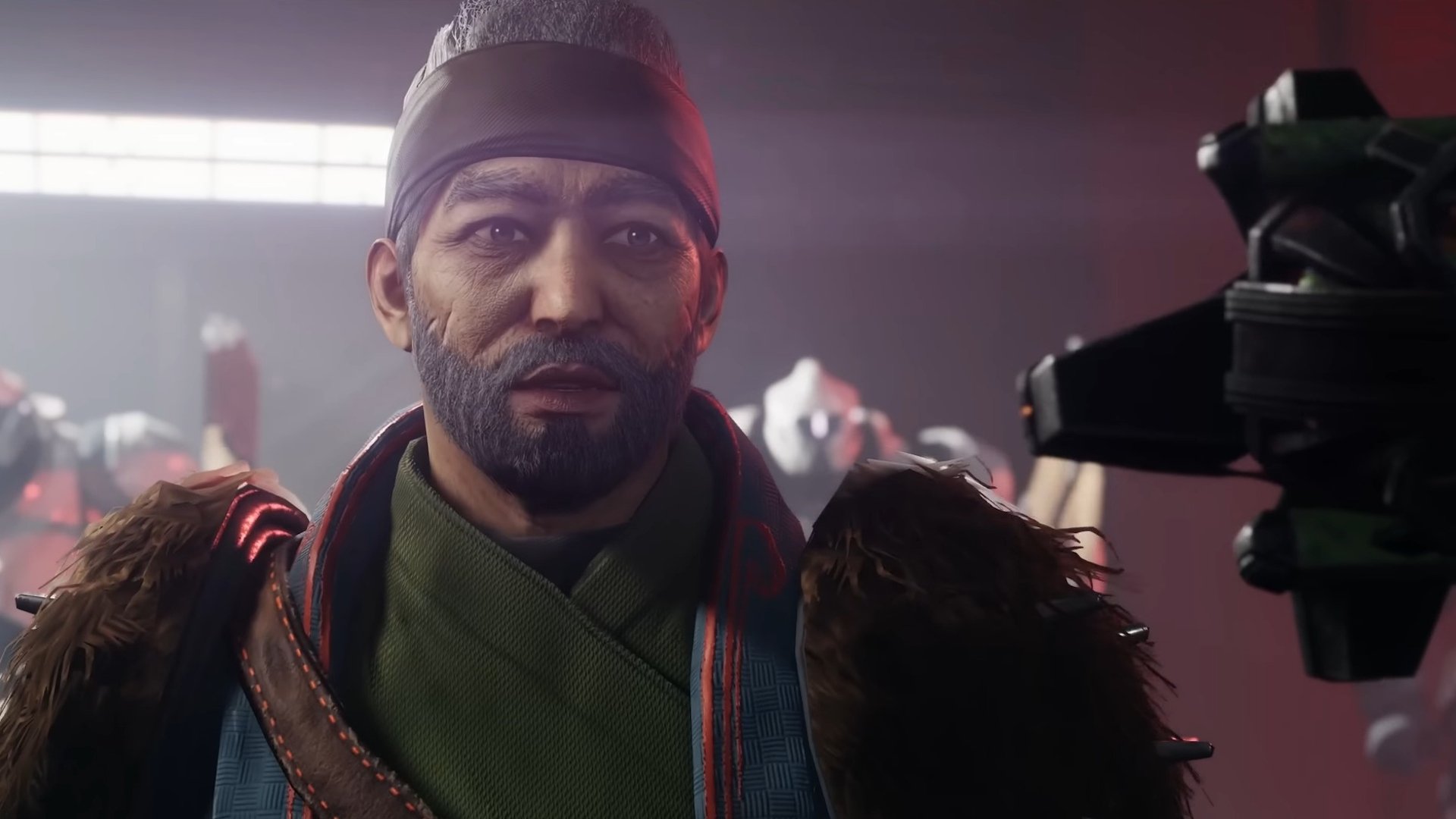
(Image credit: Bungie) Counting Marathon and Destiny 2, Bungie reportedly had five or six games in development at one point, apparently including a Genshin Impact-like fantasy game. These projects seemingly evaporated not long after Sony bought Bungie for $3.6 billion, and studio executives have been criticized for allegedly juicing incubation to pump up the company's perceived value.
I've spent a lot more time inside Bungie HQ than your average person who doesn't work there, and as ever, game studios are less exciting than they may sound. Mostly, I remember seeing pretty standard office space workstations, production and meeting rooms, a cafeteria, a gym, lockers, and other expected facilities – just, you know, dotted with life-size Destiny statues. A buyer likely wouldn't need to make dramatic changes to the space.
This lease offer represents a supermajority of Bungie's footprint, but as it pokes at Marathon and spins up new ideas, Bungie says it "will continue to maintain a physical office presence in Bellevue."
After the end of Destiny 2's development, it was announced that "most" of the game's team was being laid off. Some developers on Marathon, whose team had grown into the hundreds over its development and absorbed many Destiny 2 devs at various points, were also impacted.
The Destiny 2 team has been pruned to the point that, apart from keeping the servers on, Bungie "can't promise" responses to in-game issues like bugs, at least not in the way it used to.
Meanwhile, Marathon is limping toward its third season, with player numbers down significantly since release. It remains a fun game, but it has struggled to find a foothold and its season 2 content didn't move the needle.
People don't understand Steam player numbers, Palworld lead says: "Poor Marathon and stuff are getting dragged through the mud ... I'm sure our day's coming."
[/url]

Jat AI
Stay informed with the latest in artificial intelligence. Jat AI News Portal is your go-to source for AI trends, breakthroughs, and industry analysis. Connect with the community of technologists and business professionals shaping the future.
![Anime Apocalypse Tier List – Ability, Gadget & More [SHINOBI]](https://store.akamai.steamstatic.com/public/shared/images/news/social_share_default.jpg)