![[October 16] Measures Against Operational Policy](https://clan.akamai.steamstatic.com/images/45693889/4a10341e7ed8c6a2bee8f8229524fcbb0a7634d2.png?#)















Getting down to business with Fable's game director: "You can certainly transform the economic future of people"
Fable has a while to go before its release on February 23, 2027, but we're already salivating at the prospect of buying up every property in Albion and milking the fantasy land for all the gold it's worth. After chatting with its game director Ralph Fulton, we now know exactly how we're going to do it. He shared key tips on manipulating the game's simulated economy and maximizing profits.Treasure horde (Image credit: Xbox Game Studios) Key info Developer: Playground GamesPublisher: Xbox Game StudiosPlatform(s): PC, PS5, Xbox Series XRelease date: February 23, 2027 "While there will be a way to optimize every business, one of the best ways to optimize a business is to identify whether an employee is actually working hard enough to increase the amount the business earns, and if not, fire them and just keep trying new employees to find one whose trait fits the business. [That's an] inside tip for you." In Fable, not only can you play the role of a gallivanting adventurer, but if you fancy it, a ruthless business magnate. With tailors, bookshops, barbers, pubs, tattoo parlors, and bakeries all available to invest in, there's plenty of capitalistic possibility to sink your teeth into. "Now," says Fulton, using a bakery as an example, "I can raise their wages, which in turn makes them happier, which would make them like me more and may make them a better employee, which then increases the overall yield of the bakery. But it might not. It might just lose me money. I could put their wages down. That's undoubtedly going to make them dislike me, think I'm greedy, and it may decrease their performance. But it might not. See what I mean? So you're kind of playing with a set of levers." (Image credit: Xbox Game Studios) Specific NPC traits can help or hinder your enterprise. But which traits should you look out for? The most important one is 'hard-working'. Any NPC with this trait will apparently boost profits by 20% right off the bat. For Fulton, however, there's one industry in particular you'll want to invest in if you're after a shortcut to the millionaire's club: farming. That's because farms are among the most lucrative ventures, capable of supporting six workers. "Now, if you can go and get six hard-working NPCs, put them to work on a farm, that all stacks. So suddenly you can be making a ton of money from that. I didn't know that until someone in our level design team pointed that out to me. But that is actually the smart play if you're going the property route." So, by stacking buffs triggered by traits (the 'helpful' trait is another effective one), you can get the most out of Fable's layered financial systems. Buy up a farm, introduce your own hired help, and make bank. But it's the kind of help you bring in that determines how much money it makes. (Image credit: Playground Games) Here's where Playground Games' incredible attention to detail comes in. It refuses to use a randomizer tool for NPCs, instead applying every single one of these thousands of traits one by one. "We individually picked everything about every NPC." Ralph Fulton, game director Doing this in a settlement like Bowerstone is monumental work. This is a location containing 400 NPCs alone, each with their own routines, personalities, likes, and dislikes. Doing this across the whole of Albion is downright Herculean. "We individually picked everything about every NPC to make it into an NPC that you could read, that made sense top to bottom. We originally had a tool that would randomize it, and just 'roll' an NPC, and that would have been a massive labor-saving device. That would have saved us so much time, but what we found was, they just didn't make as much sense."Business fantasy (Image credit: Xbox Game Studios) Melee mashing (Image credit: Xbox Game Studios) Fable’s combat shows a lot of promise, but I'm glad it's not launching this year Randomized NPCs resulted in unconvincing mismatches between trait, job, and look – like a hairdresser with a bland bob, a pacifist weaponsmith, or a vegan butcher. As with everything in Fable, building the best business is a delicate balancing act. Pay your employees too little and you'll make more profit, sure, but they'll come to resent you, spreading word around town of your miserly ways. This results in drastic changes to your reputation. You may become known as selfish, cruel, or any number of different pejoratives applied to your character in response to your actions. Adjectives are expressed as a word cloud floating next to your character's head, and what's really interesting is when you get contrasting ones. (Image credit: Xbox Game Studios) For example, if your penny pinching avatar also has a way with words, there's nothing stopping them being known as charming and Scrooge-like at the same time. "You could," says Fulton when asked if it's possible to have a reputation as a friendly murderer, "if you were being kind and generous on one hand but also killing people." "It's a more accurate r
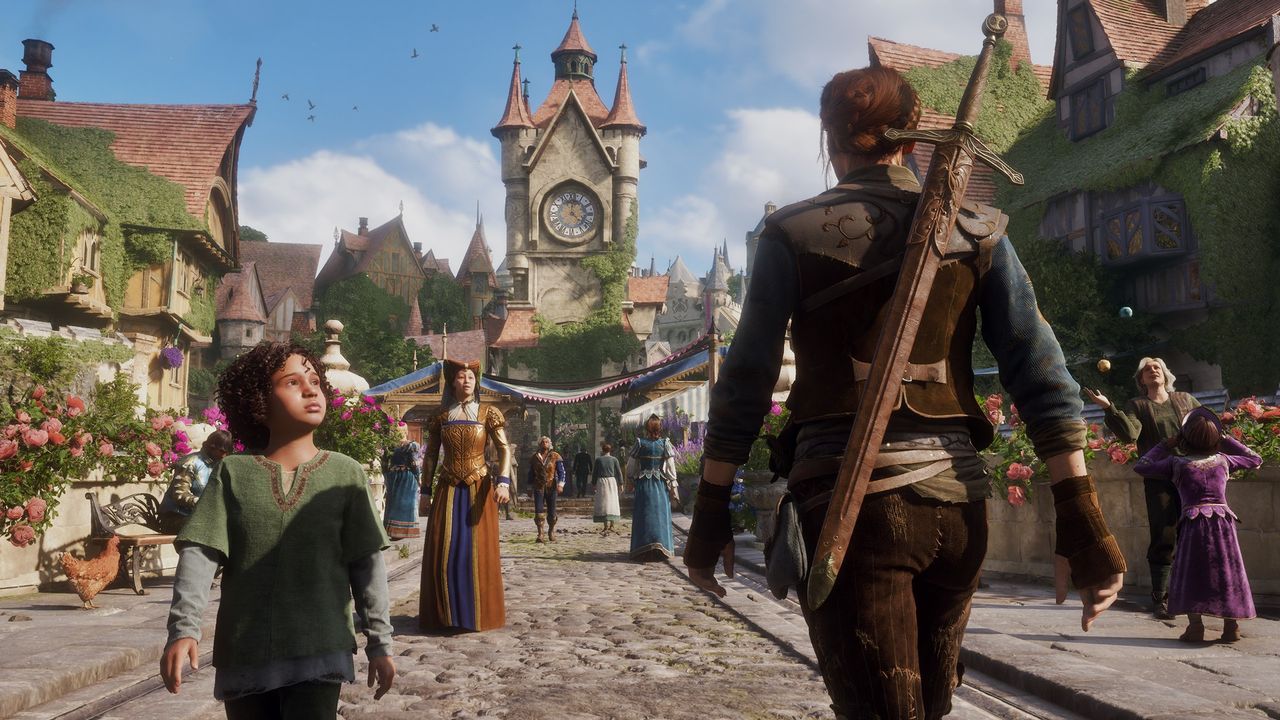 Fable has a while to go before its release on February 23, 2027, but we're already salivating at the prospect of buying up every property in Albion and milking the fantasy land for all the gold it's worth.
After chatting with its game director Ralph Fulton, we now know exactly how we're going to do it. He shared key tips on manipulating the game's simulated economy and maximizing profits.
Treasure horde
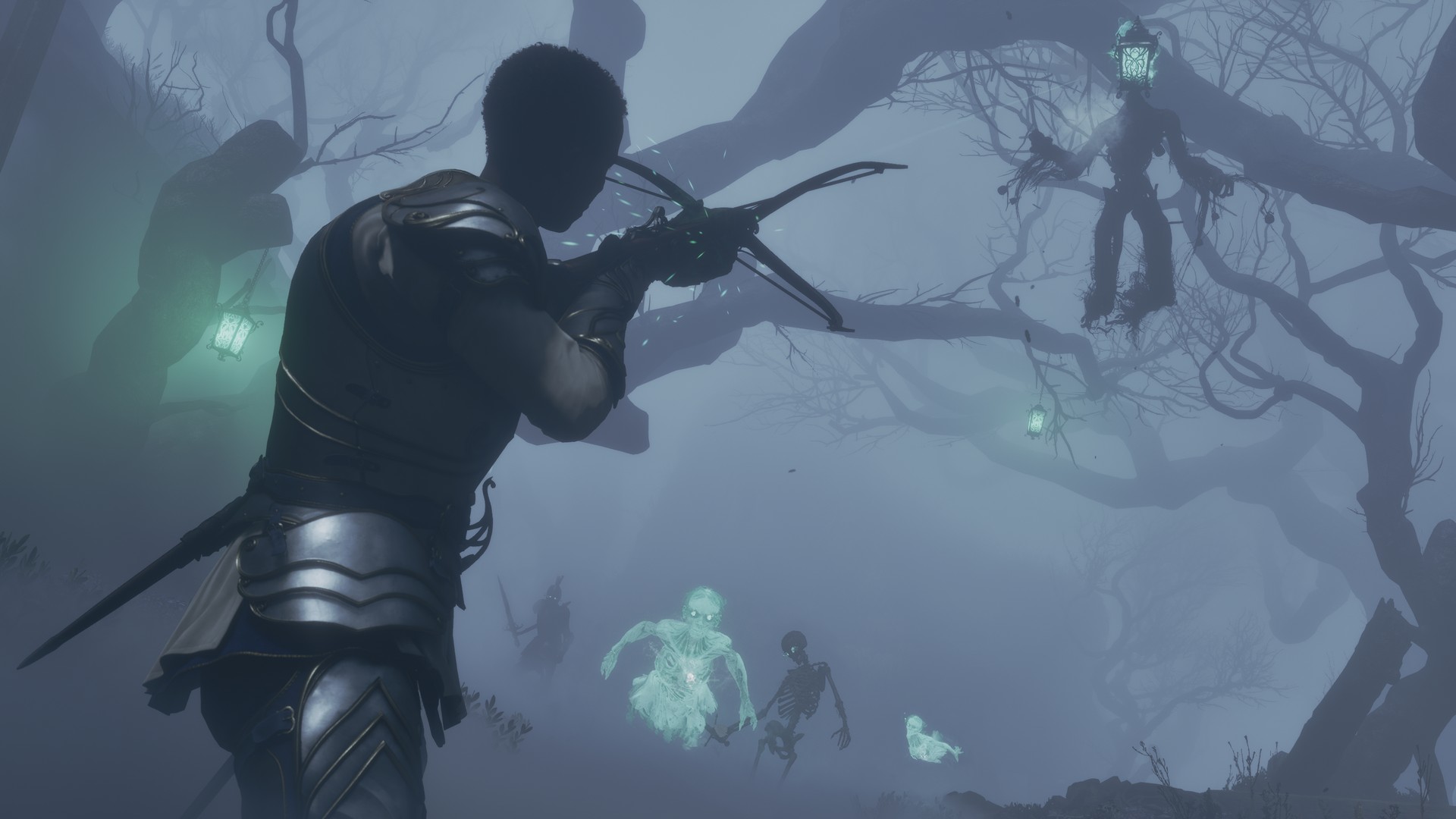
(Image credit: Xbox Game Studios) Key info Developer: Playground Games
Publisher: Xbox Game Studios
Platform(s): PC, PS5, Xbox Series X
Release date: February 23, 2027
"While there will be a way to optimize every business, one of the best ways to optimize a business is to identify whether an employee is actually working hard enough to increase the amount the business earns, and if not, fire them and just keep trying new employees to find one whose trait fits the business. [That's an] inside tip for you."
In Fable, not only can you play the role of a gallivanting adventurer, but if you fancy it, a ruthless business magnate. With tailors, bookshops, barbers, pubs, tattoo parlors, and bakeries all available to invest in, there's plenty of capitalistic possibility to sink your teeth into.
"Now," says Fulton, using a bakery as an example, "I can raise their wages, which in turn makes them happier, which would make them like me more and may make them a better employee, which then increases the overall yield of the bakery. But it might not. It might just lose me money. I could put their wages down. That's undoubtedly going to make them dislike me, think I'm greedy, and it may decrease their performance. But it might not. See what I mean? So you're kind of playing with a set of levers."
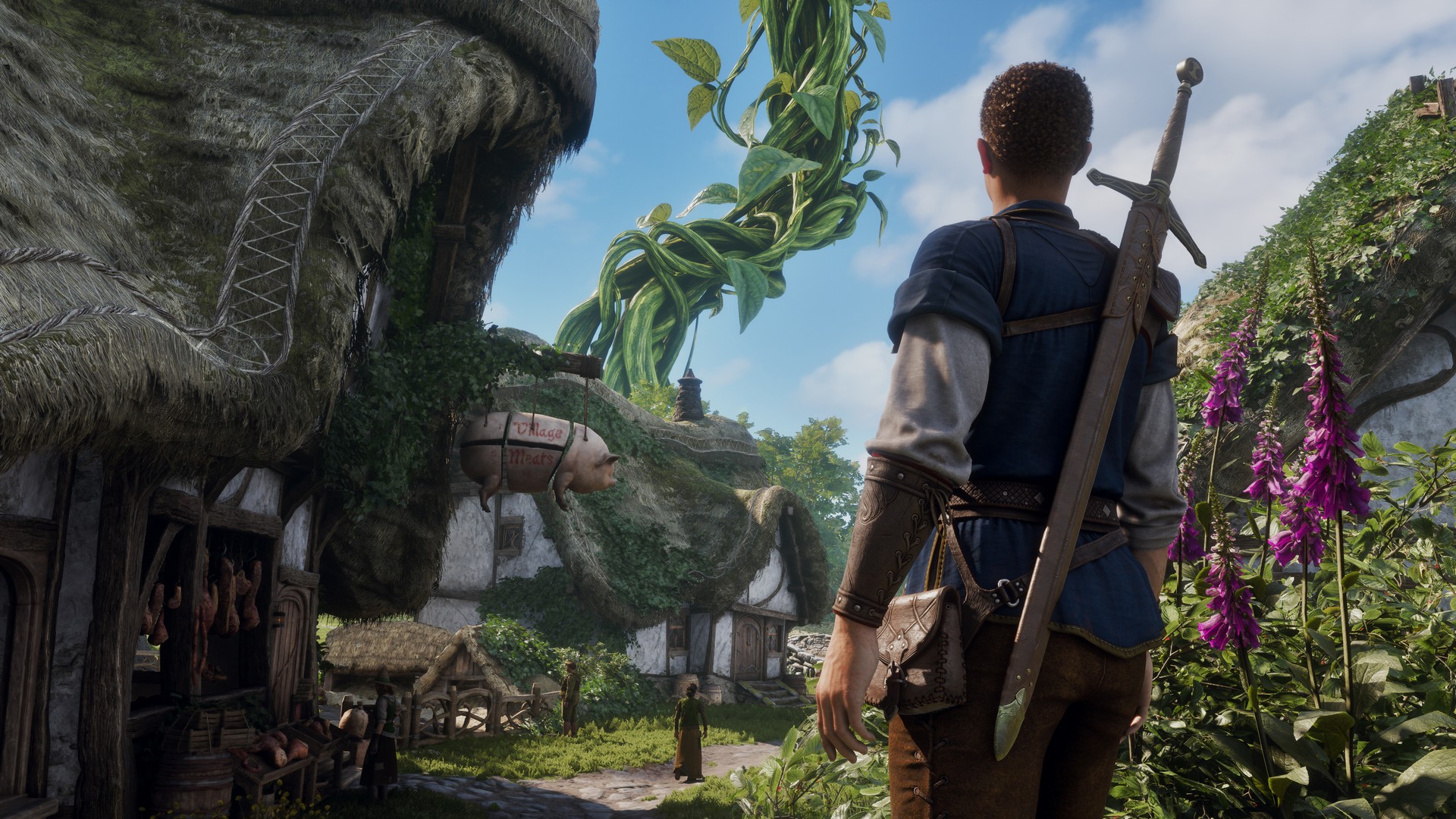
(Image credit: Xbox Game Studios) Specific NPC traits can help or hinder your enterprise. But which traits should you look out for? The most important one is 'hard-working'. Any NPC with this trait will apparently boost profits by 20% right off the bat. For Fulton, however, there's one industry in particular you'll want to invest in if you're after a shortcut to the millionaire's club: farming. That's because farms are among the most lucrative ventures, capable of supporting six workers.
"Now, if you can go and get six hard-working NPCs, put them to work on a farm, that all stacks. So suddenly you can be making a ton of money from that. I didn't know that until someone in our level design team pointed that out to me. But that is actually the smart play if you're going the property route."
So, by stacking buffs triggered by traits (the 'helpful' trait is another effective one), you can get the most out of Fable's layered financial systems. Buy up a farm, introduce your own hired help, and make bank. But it's the kind of help you bring in that determines how much money it makes.

(Image credit: Playground Games) Here's where Playground Games' incredible attention to detail comes in. It refuses to use a randomizer tool for NPCs, instead applying every single one of these thousands of traits one by one.
"We individually picked everything about every NPC."
Ralph Fulton, game director
Doing this in a settlement like Bowerstone is monumental work. This is a location containing 400 NPCs alone, each with their own routines, personalities, likes, and dislikes. Doing this across the whole of Albion is downright Herculean.
"We individually picked everything about every NPC to make it into an NPC that you could read, that made sense top to bottom. We originally had a tool that would randomize it, and just 'roll' an NPC, and that would have been a massive labor-saving device. That would have saved us so much time, but what we found was, they just didn't make as much sense."
Business fantasy
(Image credit: Xbox Game Studios) Melee mashing
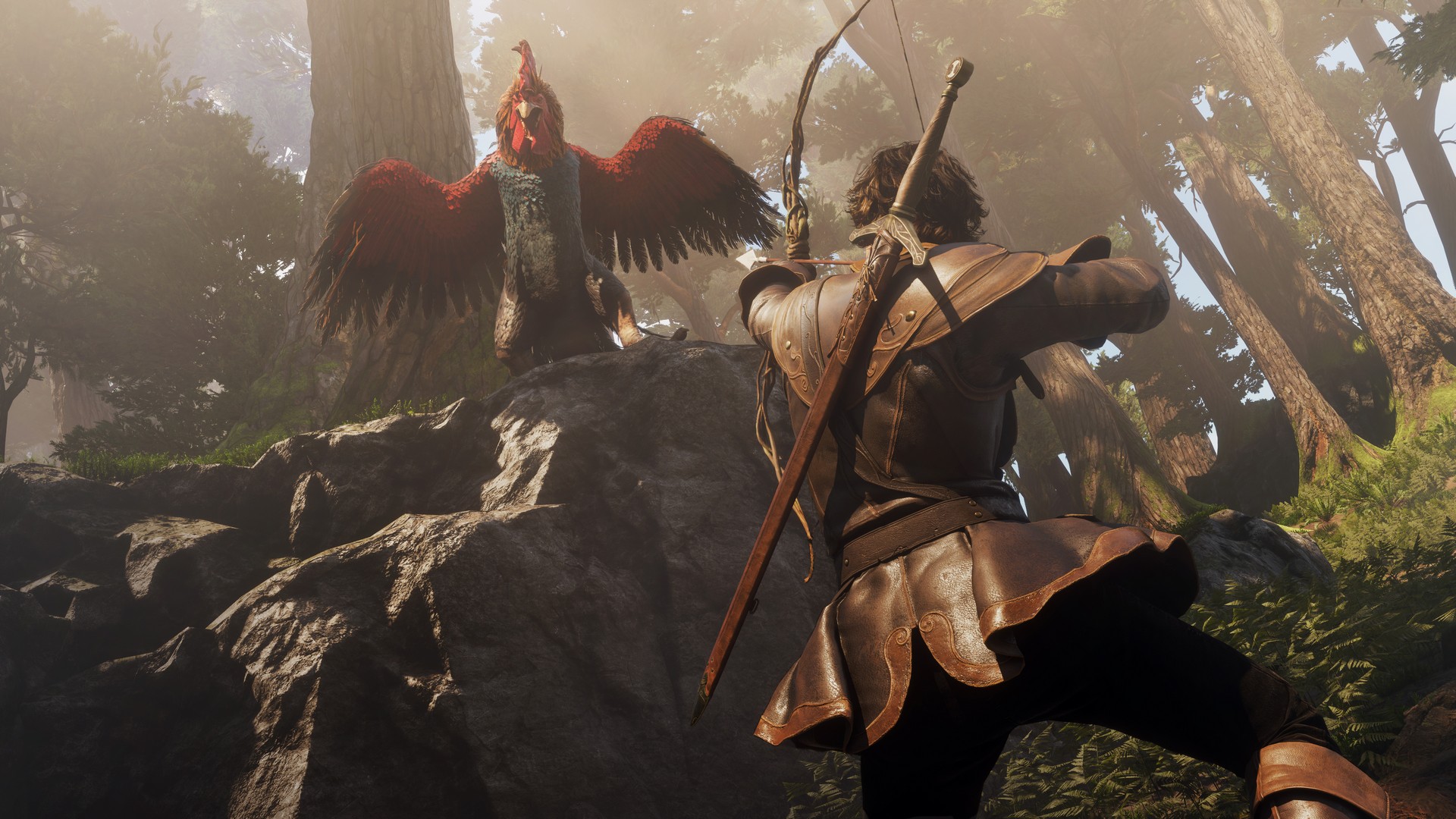
(Image credit: Xbox Game Studios) Fable’s combat shows a lot of promise, but I'm glad it's not launching this year
Randomized NPCs resulted in unconvincing mismatches between trait, job, and look – like a hairdresser with a bland bob, a pacifist weaponsmith, or a vegan butcher.
As with everything in Fable, building the best business is a delicate balancing act. Pay your employees too little and you'll make more profit, sure, but they'll come to resent you, spreading word around town of your miserly ways.
This results in drastic changes to your reputation. You may become known as selfish, cruel, or any number of different pejoratives applied to your character in response to your actions. Adjectives are expressed as a word cloud floating next to your character's head, and what's really interesting is when you get contrasting ones.

(Image credit: Xbox Game Studios) For example, if your penny pinching avatar also has a way with words, there's nothing stopping them being known as charming and Scrooge-like at the same time.
"You could," says Fulton when asked if it's possible to have a reputation as a friendly murderer, "if you were being kind and generous on one hand but also killing people."
"It's a more accurate representation of the things you're doing than moving incrementally up-and-down a single scale."
Ralph Fulton, game director
"You can see that's contradictory. But actually it's a more accurate representation of the things you're doing, and what people know about you, rather than moving incrementally up-and-down a single scale."
For some, the endgame for all this gold might be a glitzy mansion. If you're in the market for one, you'll want to hit up a place on the outskirts of Bowerstone called Manor Fields. Here you'll find impressive stately homes, some with their own hedge mazes.

(Image credit: Xbox Game Studios) For others, the goal will be more modest: a simple house and a family. In Fable, that family is more detailed than ever. Your wife and child have their own routines, as with every single NPC you encounter. They won't just wait around for you all day to return home after a full day of adventuring, but run errands around town as they live their own lives.
Fulton describes the challenges in implementing this system. He details a playtester whose in-game wife would teleport around at odd hours randomly giving out birthday presents.
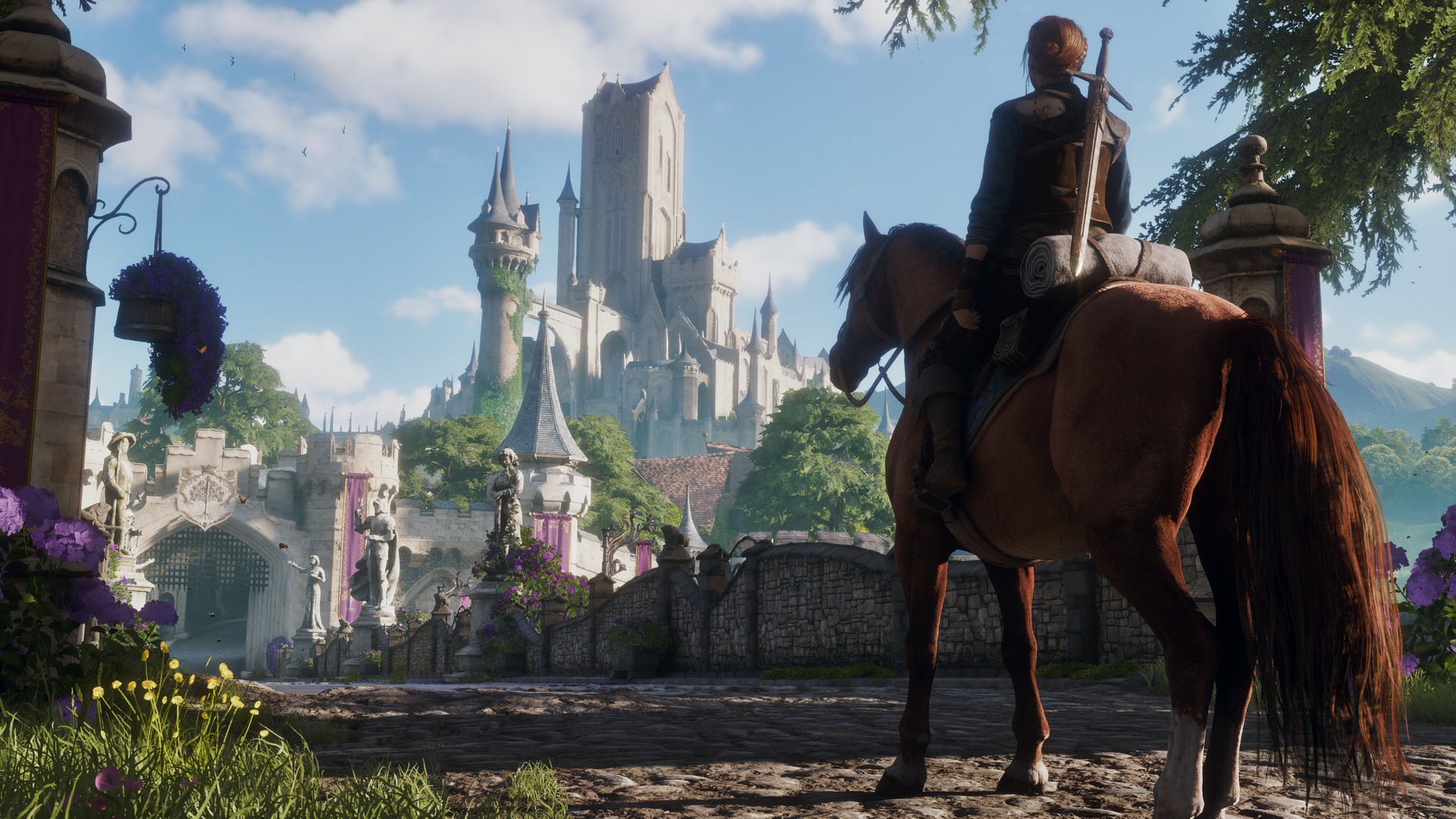
(Image credit: Xbox Game Studios) These glitches are, thankfully, fixed. Your spouse won't get up in the middle of the night to wish you many happy returns, instead waiting until morning. But it's just one of innumerable game-breaking bugs that could potentially befall a game of Fable's magnitude, one in which your actions reverberate across the land morally, ethically, and economically.
"You can certainly transform the economic future of people," says Fulton. "By using the levers at your disposal as a landlord, as a business owner, you can change the lives of people."
Our best RPGs and best story-driven RPGs lists are no fable, but great places to get more recommendations on what to play next!
[/url]

Jat AI
Stay informed with the latest in artificial intelligence. Jat AI News Portal is your go-to source for AI trends, breakthroughs, and industry analysis. Connect with the community of technologists and business professionals shaping the future.