












Shigeru Miyamoto says AI "provides an opportunity to reflect on what's really important" in game dev
Shigeru Miyamoto, the Nintendo representative director and executive fellow behind titles like Super Mario and The Legend of Zelda, sees AI – as controversial as it may be – as a natural progression of technology. The Nintendo mastermind says as much during a press conference reported by GameWatch (later translated from Japanese by VGC), first recalling past technological advancements. "Our generation lived through a period of rapid computer development – a time when tools were constantly evolving, moving from typewriters to word processors," he explains, using design – or more specifically, lettering – as an example. "In the past, for instance, designers were taught in school how to create beautiful lettering for posters; possessing that skill alone was enough to be called a 'designer.' Alternatively, one could simply take a design that was trending abroad, give it a 'Japanese-style' twist, and be labeled a designer." Then, "computers and technology advanced," as Miyamoto says, and "a designer's true individual capabilities… finally came to the fore." That's when he mentions AI: "I believe generative AI represents a similar shift." Miyamoto then draws a line between "creating" and the "labor" that's involved while creating. "When you set out to create, you first establish a broad structure, then begin the hands-on work: the tasks that follow, such as filling in gaps or refining the details. The tricky part is that this labor can actually be quite enjoyable." Miyamoto doesn't think hard or lengthy labor means a good product, however – and there could be danger in folks wrongly believing it does. "While the act of creation is inherently satisfying, there's a danger: one might find satisfaction in the labor itself and mistakenly believe that a high-quality piece of work has been created." In that regard, the Nintendo legend views AI as a potential asset rather than a liability. "In that sense, the more AI replaces these tasks, the more it provides an opportunity to reflect on what's really important, which I think is a positive thing," he says. Rather than looking at the tech – which is, admittedly, quite controversial – Miyamoto sees benefits in using AI. He doesn't see it as a replacement for creatives or developers, either, as it works with and for people rather than instead of, in his mind. "Looking back at past designs, there are some that were created merely by copying and pasting. Yet, such work rarely stands the test of time; it lacks the individual's particular design intention." AI doesn't, "because the process relies on an individual's intent, with the computer serving as an assistant for the labor." And, again, Miyamoto doesn't believe that'll push actual human beings out of the picture, and that's precisely why. "I believe that even as technology continues to evolve, and even if AI were to eventually handle everything, there will always be a role left for us to play," he concludes – and, while I'm not sure I completely agree myself, I suppose I can understand where he's coming from. I don't see AI being able to pull off the likes of The Legend of Zelda: Ocarina of Time remake or any other new games that have caught my eye, though… and I doubt I ever will. Zelda and Mario creator Shigeru Miyamoto becomes first-ever dev to receive Japan's greatest cultural award, but he's crediting all of Nintendo: "These achievements were not the work of one person" [/url]
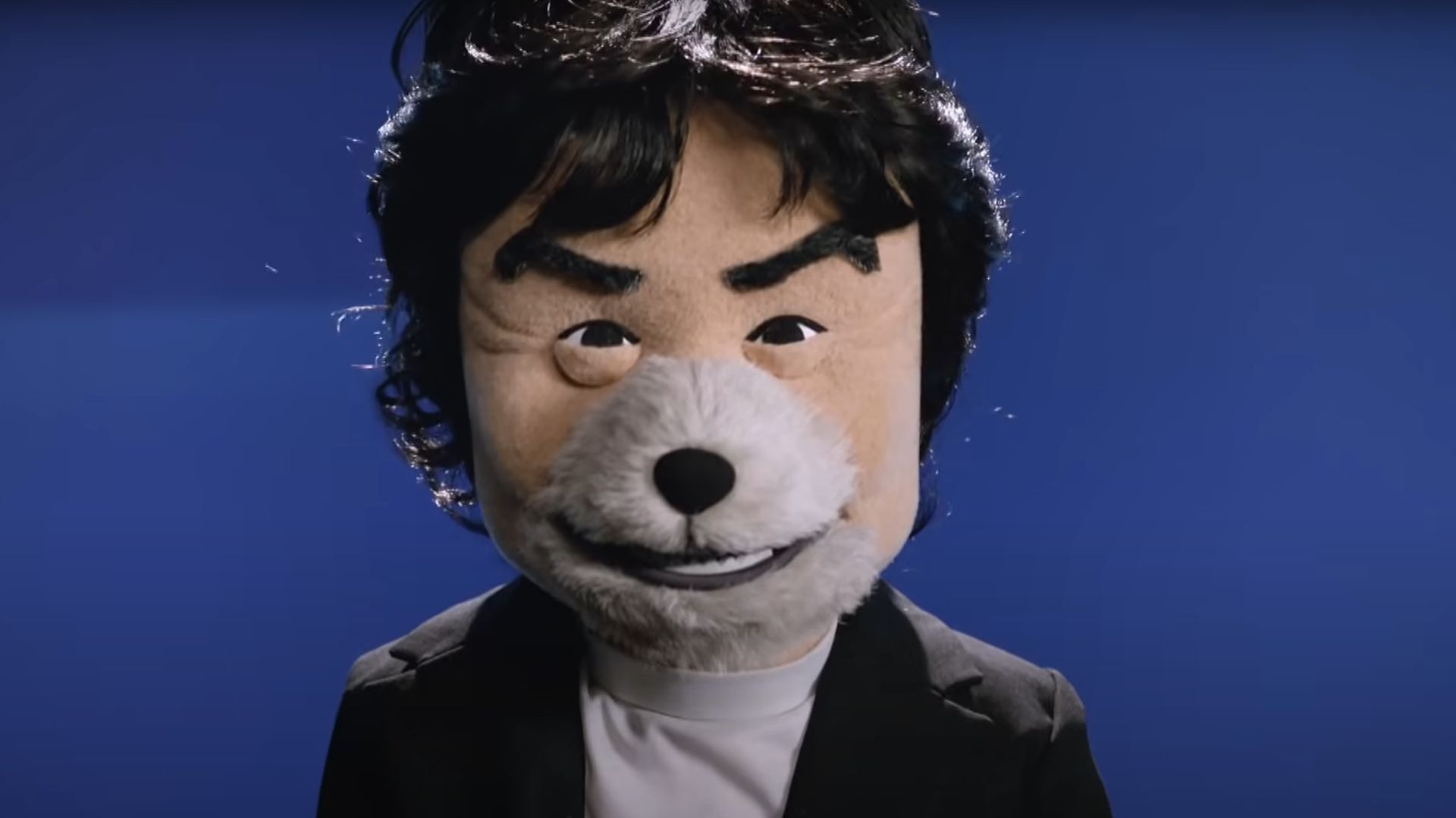 Shigeru Miyamoto, the Nintendo representative director and executive fellow behind titles like Super Mario and The Legend of Zelda, sees AI – as controversial as it may be – as a natural progression of technology.
The Nintendo mastermind says as much during a press conference reported by GameWatch (later translated from Japanese by VGC), first recalling past technological advancements.
"Our generation lived through a period of rapid computer development – a time when tools were constantly evolving, moving from typewriters to word processors," he explains, using design – or more specifically, lettering – as an example.
"In the past, for instance, designers were taught in school how to create beautiful lettering for posters; possessing that skill alone was enough to be called a 'designer.' Alternatively, one could simply take a design that was trending abroad, give it a 'Japanese-style' twist, and be labeled a designer."
Then, "computers and technology advanced," as Miyamoto says, and "a designer's true individual capabilities… finally came to the fore."
That's when he mentions AI: "I believe generative AI represents a similar shift." Miyamoto then draws a line between "creating" and the "labor" that's involved while creating.
"When you set out to create, you first establish a broad structure, then begin the hands-on work: the tasks that follow, such as filling in gaps or refining the details. The tricky part is that this labor can actually be quite enjoyable."
Miyamoto doesn't think hard or lengthy labor means a good product, however – and there could be danger in folks wrongly believing it does. "While the act of creation is inherently satisfying, there's a danger: one might find satisfaction in the labor itself and mistakenly believe that a high-quality piece of work has been created."
In that regard, the Nintendo legend views AI as a potential asset rather than a liability. "In that sense, the more AI replaces these tasks, the more it provides an opportunity to reflect on what's really important, which I think is a positive thing," he says.
Rather than looking at the tech – which is, admittedly, quite controversial – Miyamoto sees benefits in using AI. He doesn't see it as a replacement for creatives or developers, either, as it works with and for people rather than instead of, in his mind.
"Looking back at past designs, there are some that were created merely by copying and pasting. Yet, such work rarely stands the test of time; it lacks the individual's particular design intention." AI doesn't, "because the process relies on an individual's intent, with the computer serving as an assistant for the labor."
And, again, Miyamoto doesn't believe that'll push actual human beings out of the picture, and that's precisely why.
"I believe that even as technology continues to evolve, and even if AI were to eventually handle everything, there will always be a role left for us to play," he concludes – and, while I'm not sure I completely agree myself, I suppose I can understand where he's coming from.
I don't see AI being able to pull off the likes of The Legend of Zelda: Ocarina of Time remake or any other new games that have caught my eye, though… and I doubt I ever will.
Zelda and Mario creator Shigeru Miyamoto becomes first-ever dev to receive Japan's greatest cultural award, but he's crediting all of Nintendo: "These achievements were not the work of one person"
[/url]

Jat AI
Stay informed with the latest in artificial intelligence. Jat AI News Portal is your go-to source for AI trends, breakthroughs, and industry analysis. Connect with the community of technologists and business professionals shaping the future.