












"There is no game preservation with DRM": Why GOG has spent 18 years fighting for classic games
Game preservation takes many forms. For some, it's archiving video game history in museums.. For others, it's fighting legal battles to make saving that history easier. Still others collect consoles and TVs from out of time, to play games precisely as they were released. But most players just want to have access to their classic games, and that's where GOG steps in. The acronym once stood for Good Old Games, and while http://gog.com has long since become a prolific distributor of modern titles, the site's founding intention rings true today. Publishers are dipping into their archives for big-budget remakes, boutique developers specializing in remasters are cropping up with increasing frequency, and movements like Stop Killing Games making players aware of how fragile their "ownership" of modern software really is. Modern, downloadable games are almost universally protected by digital rights management (DRM). Some forms of DRM, like the Steam launcher, are barely noticed these days, but more obtrusive types of protection like Denuvo are a constant source of controversy. They all serve the same purpose: preventing games from being pirated. But they also put roadblocks between legitimate users and their games.DRM-free (Image credit: GOG) "There is no game preservation with DRM," says Marcin Paczynski, senior business development and partnerships manager at GOG. These days, Steam's built-in digital rights management is so unobtrusive that players barely notice it's there. But GOG launched in 2008, when many PC players saw any DRM as an unnecessary barrier. GOG offered an alternative, and while now there's a fancy Steam-style launcher with cloud saves and automatic updates, every single game on the store still comes with a standalone installer that you can download, back up, and use however you like without ever relying on an online server. It's exactly the kind of solution the activists supporting Stop Killing Games are looking for, and Paczynski says the team "definitely saw a spark of interest in people downloading the offline installers" when the movement gained momentum. Beyond preserving these games as they originally released, GOG also wants to make them more palatable to modern audiences. GOG isn't really a remaster studio, but it does offer versions of games with visual and gameplay upgrades. But how do the devs draw the line between upgrading a game and fundamentally changing the original experience? (Image credit: GOG) It's a question the GOG devs constantly ask themselves. "When we were releasing Resident Evil, we were having a conversation whether we should change tank controls to some modern controls," technical producer Adam Ziółkowski explains. "But if you change that, you basically need to rewrite the whole game, because the difficulty level and everything is tied to this decision that was made 20 years ago." So Resident Evil kept its classic control scheme. But other games have gotten meaningful upgrades on the platform. Take Thief Gold, for example. "We were approached by a modder that actually created full controller support for Thief, including the radial menu that allows you to switch through the inventory and stuff like that," Ziółkowski says."It doesn't break the immersion and the game loop, so we decided to add it and make it more enjoyable for the modern users." "It's always a discussion," Paczynski says. "I like to think that during those eighteen years of doing that, we kind of feel where the line is."Let's get physical (Image credit: GOG) GOG's distribution is all digital, but given the waves PlayStation's plan to end discs has made in the preservation community, I had to ask Ziółkowski and Paczynski their thoughts on physical games. "Ideally, my dream would be to be able to buy physical versions of those games on GOG," Paczynski explains. "You go to your shelf on GOG, you click on the game that you would like to receive a physical copy of, you order it, and it gets to you. That would be a perfect scenario." This idea has "been floating around GOG for years," and Paczynski still has "hope" it will be realized. But the reality – handling the licensing issues and the logistics of those physical products – makes the dream a distant one. Still, it's an example of just how passionate the GOG team is about its work. The site built its business on the classic era of PC gaming, which was dominated by 'feelies' – physical objects like maps, manuals, lore guides, and more, all of which were integral to the experience. GOG offers digital versions of most of that material alongside the games themselves, but sometimes the devs are on their own when it comes to sourcing it. (Image credit: GOG) "It depends on the publisher, but in general, [with] a lot of the classic games that we have signed over the years the only thing that we got from the publisher was a title in the email," Paczynski explains. "Everything else we needed to source ourselves. They were very open – like, 'we can license you
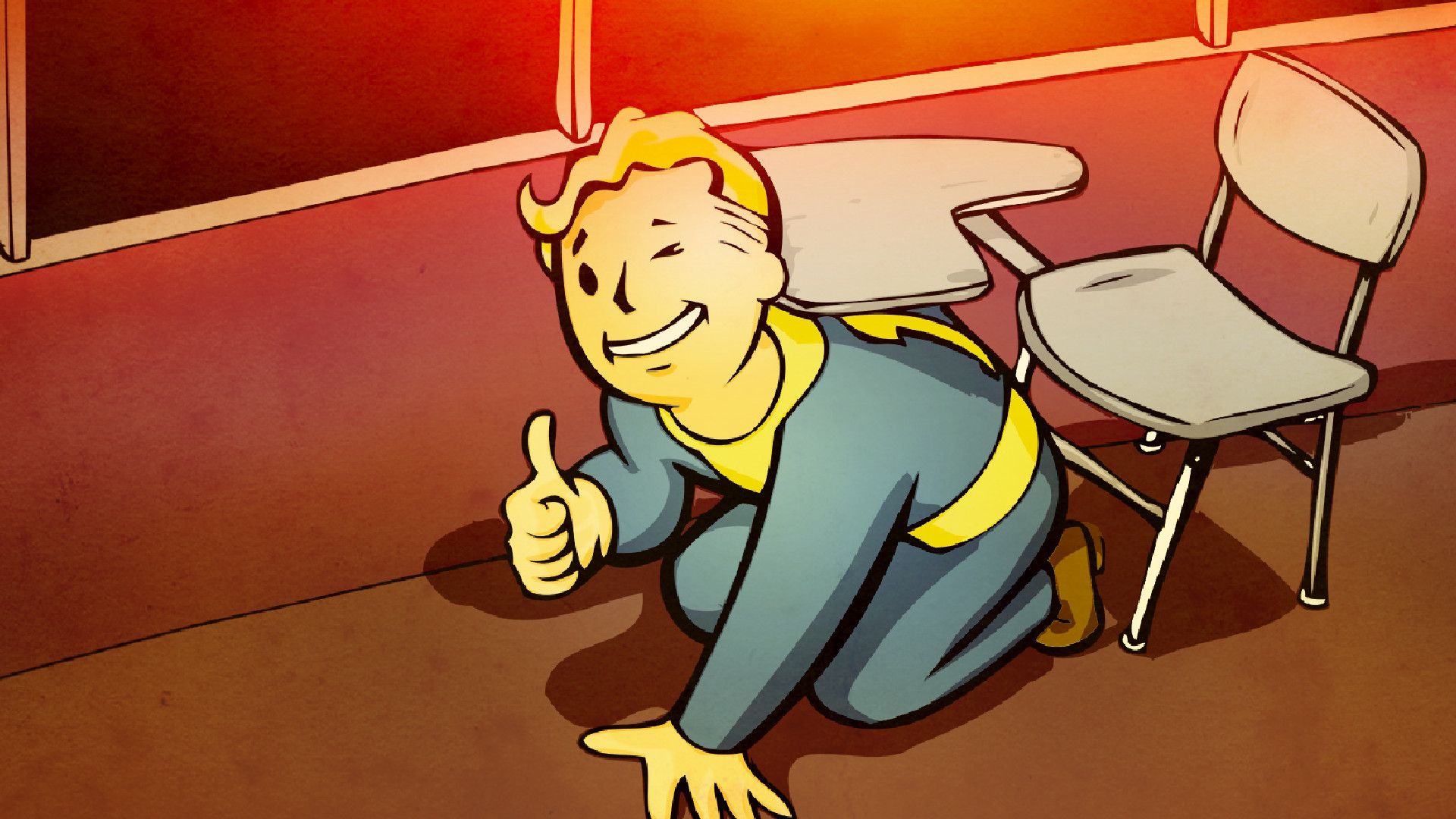 Game preservation takes many forms. For some, it's archiving video game history in museums.. For others, it's fighting legal battles to make saving that history easier. Still others collect consoles and TVs from out of time, to play games precisely as they were released.
But most players just want to have access to their classic games, and that's where GOG steps in.
The acronym once stood for Good Old Games, and while http://gog.com has long since become a prolific distributor of modern titles, the site's founding intention rings true today. Publishers are dipping into their archives for big-budget remakes, boutique developers specializing in remasters are cropping up with increasing frequency, and movements like Stop Killing Games making players aware of how fragile their "ownership" of modern software really is.
Modern, downloadable games are almost universally protected by digital rights management (DRM). Some forms of DRM, like the Steam launcher, are barely noticed these days, but more obtrusive types of protection like Denuvo are a constant source of controversy. They all serve the same purpose: preventing games from being pirated. But they also put roadblocks between legitimate users and their games.
DRM-free
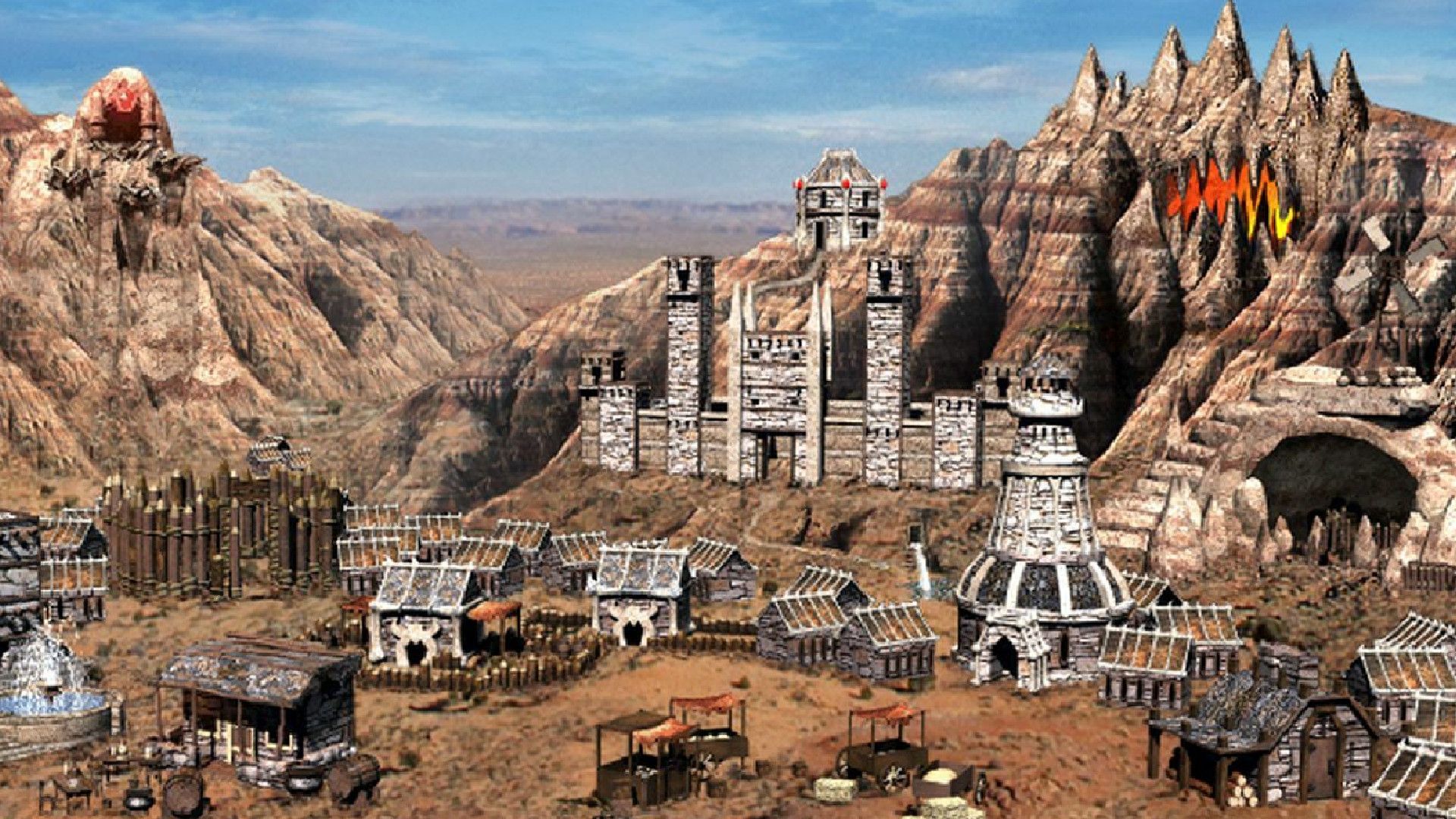
(Image credit: GOG) "There is no game preservation with DRM," says Marcin Paczynski, senior business development and partnerships manager at GOG. These days, Steam's built-in digital rights management is so unobtrusive that players barely notice it's there. But GOG launched in 2008, when many PC players saw any DRM as an unnecessary barrier.
GOG offered an alternative, and while now there's a fancy Steam-style launcher with cloud saves and automatic updates, every single game on the store still comes with a standalone installer that you can download, back up, and use however you like without ever relying on an online server. It's exactly the kind of solution the activists supporting Stop Killing Games are looking for, and Paczynski says the team "definitely saw a spark of interest in people downloading the offline installers" when the movement gained momentum.
Beyond preserving these games as they originally released, GOG also wants to make them more palatable to modern audiences. GOG isn't really a remaster studio, but it does offer versions of games with visual and gameplay upgrades. But how do the devs draw the line between upgrading a game and fundamentally changing the original experience?
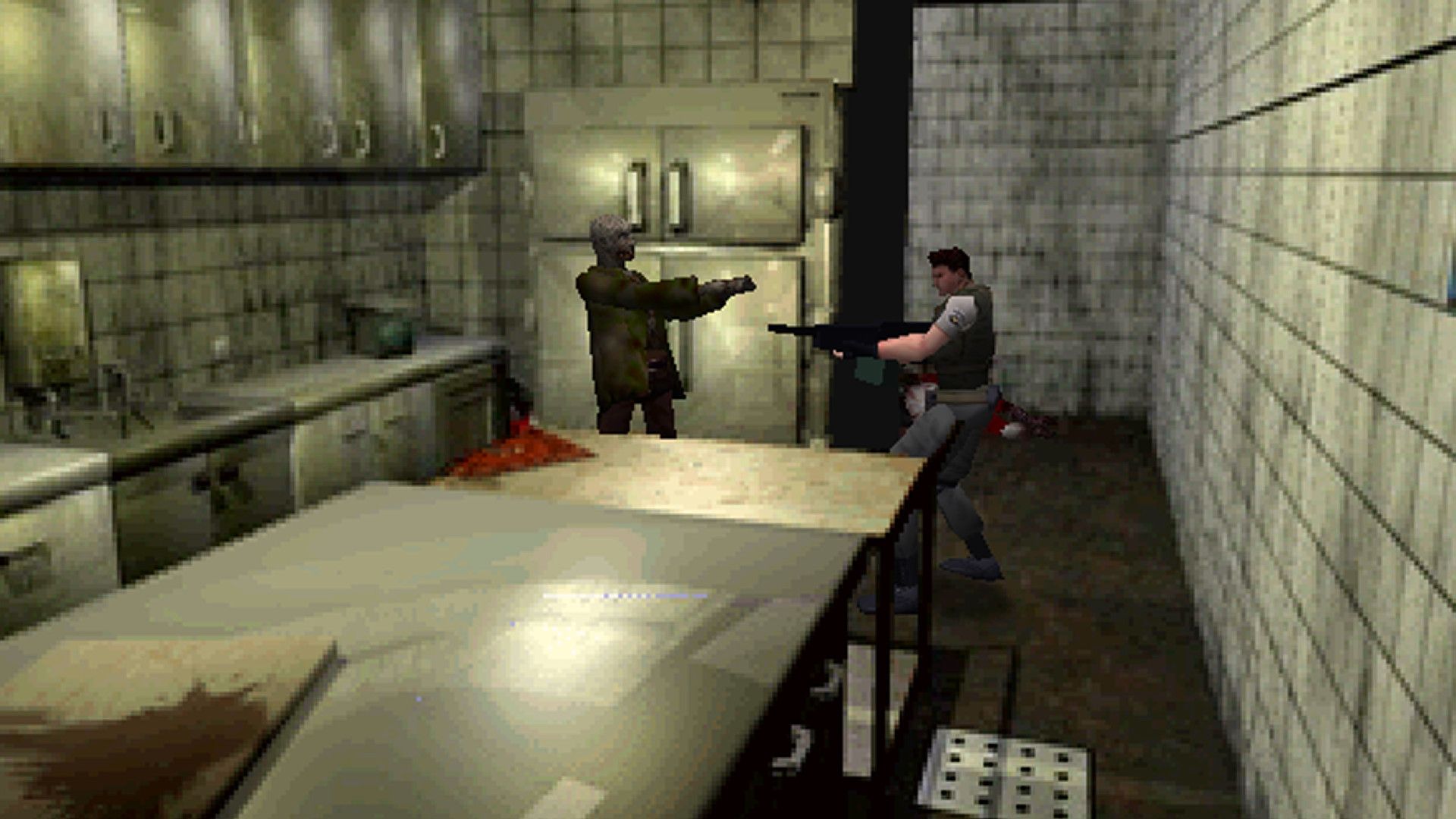
(Image credit: GOG) It's a question the GOG devs constantly ask themselves. "When we were releasing Resident Evil, we were having a conversation whether we should change tank controls to some modern controls," technical producer Adam Ziółkowski explains. "But if you change that, you basically need to rewrite the whole game, because the difficulty level and everything is tied to this decision that was made 20 years ago."
So Resident Evil kept its classic control scheme. But other games have gotten meaningful upgrades on the platform. Take Thief Gold, for example. "We were approached by a modder that actually created full controller support for Thief, including the radial menu that allows you to switch through the inventory and stuff like that," Ziółkowski says."It doesn't break the immersion and the game loop, so we decided to add it and make it more enjoyable for the modern users."
"It's always a discussion," Paczynski says. "I like to think that during those eighteen years of doing that, we kind of feel where the line is."
Let's get physical
(Image credit: GOG) GOG's distribution is all digital, but given the waves PlayStation's plan to end discs has made in the preservation community, I had to ask Ziółkowski and Paczynski their thoughts on physical games.
"Ideally, my dream would be to be able to buy physical versions of those games on GOG," Paczynski explains. "You go to your shelf on GOG, you click on the game that you would like to receive a physical copy of, you order it, and it gets to you. That would be a perfect scenario."
This idea has "been floating around GOG for years," and Paczynski still has "hope" it will be realized. But the reality – handling the licensing issues and the logistics of those physical products – makes the dream a distant one.
Still, it's an example of just how passionate the GOG team is about its work. The site built its business on the classic era of PC gaming, which was dominated by 'feelies' – physical objects like maps, manuals, lore guides, and more, all of which were integral to the experience. GOG offers digital versions of most of that material alongside the games themselves, but sometimes the devs are on their own when it comes to sourcing it.
(Image credit: GOG) "It depends on the publisher, but in general, [with] a lot of the classic games that we have signed over the years the only thing that we got from the publisher was a title in the email," Paczynski explains. "Everything else we needed to source ourselves. They were very open – like, 'we can license you those things, but we have absolutely nothing for them.'"
It's often up to GOG to track down and digitize these games and their ephemera. "We have a lot of '90s and early '00s gamers at GOG," Paczynski says. "We have huge collections. Some of them are really impressive. And if we do not have something in our collection, it's on Amazon [or] eBay. There are a couple of games that we paid really, really good money for, because it was really important for us to have all of those things digitalized and added to the versions of the games that we release on GOG."
In some cases GOG works with the community, sourcing, for example, alternate language versions of manuals that might be difficult to track down outside of their native regions. "We cannot add everything because a lot of times there are legal reasons why certain cool things cannot be added," says Paczynski, "but we try to add as much as we can, practically speaking."
Preservation as a business
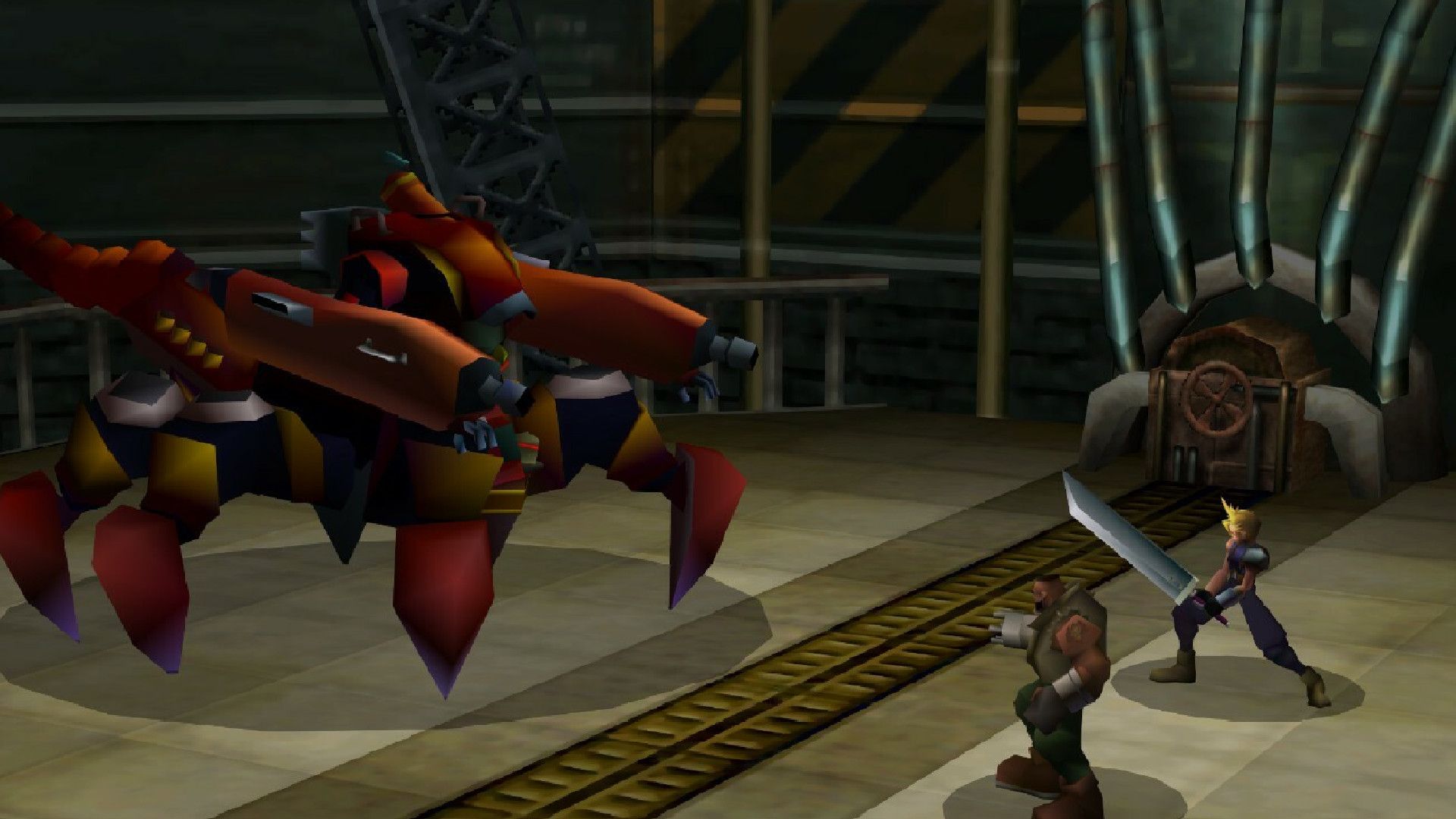
(Image credit: GOG) While publishers don't always have their own games properly archived, they are starting to see the value. "A lot of the game preservation discussions that were very hard for us to start are, right now, a bit easier," Paczynski explains.
Paczynski admits that GOG's efforts are not purely altruistic. The team "still have a business to run," but "thankfully found a business model for GOG in which we can support those initiatives without strictly being tied to GOG sales."
That's the GOG Patrons program, a $5 monthly subscription that supports the company's preservation efforts. Users do get some goodies in exchange for their donations – access to behind-the-scenes content and influence over the games the team focuses on, for example – but that $5 is more or less a donation. Making donations to a retailer is an odd proposition, but GOG's built enough goodwill that over 10,000 people have signed up.
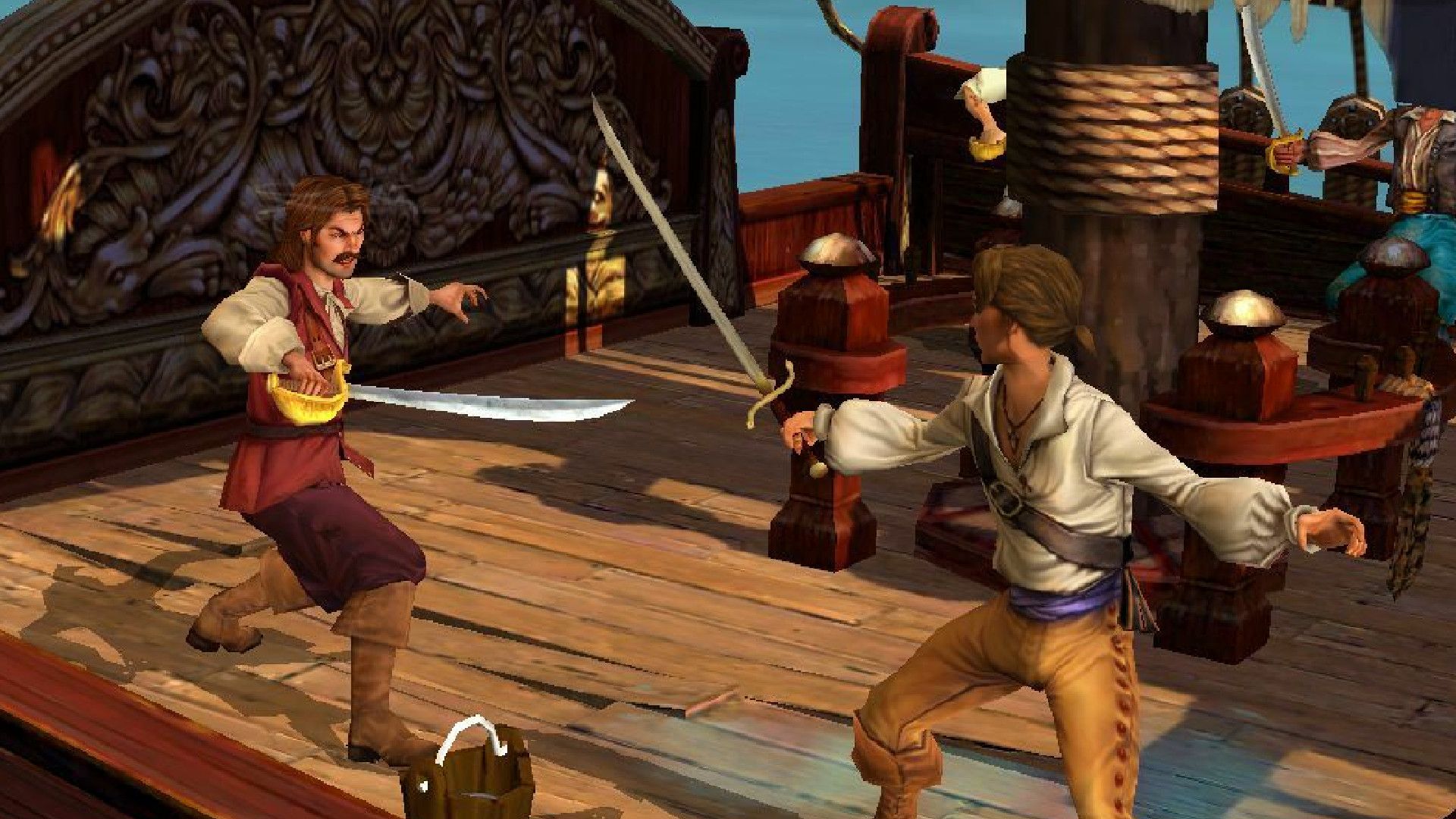
(Image credit: GOG) But there's an elephant in the room: piracy. While GOG is doing its best to make sure a wide array of games remain available to players on its platform, the reality is that all of those games – and many more whose licenses remain lost – are already being distributed for free.
"Almost everything is available on the internet for free, practically speaking," Paczynski acknowledges, but he hopes that the "user experience" GOG can provide makes it a more attractive option than piracy. That echoes comments from Gabe Newell on competing with piracy and certainly, Steam has done a lot to help convince the world that digital games are worth paying for. But piracy can be a roadblock to preservation.
"A lot of those games can be preserved because there is a business case. Preservation costs a lot of money, so having the sales of those games is extremely important. If you find a strong enough business case, you can bring back and preserve any game in existence," Paczynski says, but "the problem is scale."
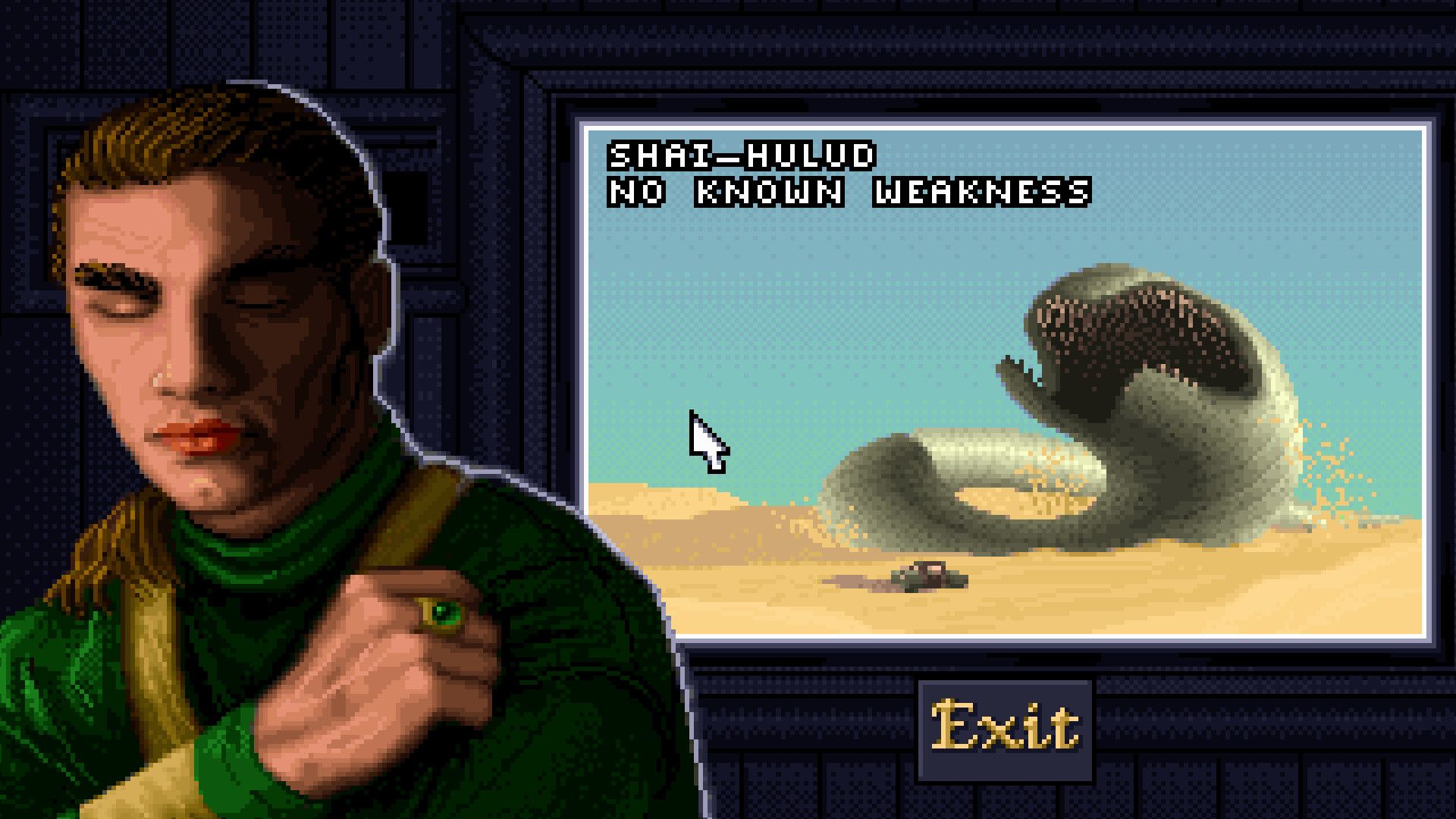
(Image credit: MobyGames) Paczynski offers an obscure example of how complicated it can get: Westwood Studios' Dune games. "The original game was developed by Westwood Studios," Paczynski explains, and that studio was eventually acquired by EA. "So currently, Electronic Arts has the game code, the assets, all of the rights to those things, and all the materials around the game. But of course, they do not own the IP. The problem with the IP is that it is not directly owned by the Herbert Foundation, because the games were not based on the books; they were actually based on the movie from 1984. That movie was created by Universal Pictures, and the main producer for that movie was [Dino De Laurentiis]. The problem is that he also has part of that movie license with him. But he died 15 years ago."
With that in mind, it seems like a wonder any classic game manages to get a legal, modern release. Ziółkowski says he's already got his dream game – the original Final Fantasy 7 – on GOG, but he's also hopeful to get an Amiga puzzle platforming classic called Fury of the Furries on the platform. The problem? The rights to that game were bought by Namco many years ago, which reskinned it as the Pac-Man-themed Pac-In-Time.
Another game, another licensing nightmare. "I need Marcin's help with that," Ziółkowski says, turning to Paczynski with a laugh. But from legendary classics to obscure personal favorites, the fight to preserve gaming history goes on.
Still nursing that weekend coffee? Find out how Grand Theft Auto became a musical tastemaker, and why "having a hand in the game etches you in history."
[/url]

Jat AI
Stay informed with the latest in artificial intelligence. Jat AI News Portal is your go-to source for AI trends, breakthroughs, and industry analysis. Connect with the community of technologists and business professionals shaping the future.