








PlayStation made the best VR headset for gaming, and then left it to die
This week, PlayStation has removed PSVR 2 from its own virtual stores in the US and in Japan, which follows on from months of stock shortages in the US and UK for the VR headset. The news also comes just a month after it was found that https://www.gamesradar.com/hardware/vr/after-months-of-psvr-2-stock-shortages-playstation-sells-hundreds-of-vr-patents-to-meta-signaling-the-brands-departure-from-the-market. Just three years on from its arrival, the headset seems to be reaching the end of its supported life. Sony's second headset received countless glowing reviews from critics and fans, but its lack of support has led it to an even shorter lifespan than the first PSVR. To be completely clear, there's been no official word from Sony about it discontinuing PSVR 2, but even for an optimist and massive VR apologist like me, the writing's on the wall. Immediate reception from fans was cold because of PSVR 2's launch price. Its lack of support for PC until halfway through its life almost certainly cut it off from a big chunk of this comparably small gaming market. A price drop definitely restored some good faith, but by the time it arrived, Sony had already made its lack of support on the games side a big red flag. (Image credit: SIE) Since reviewing PSVR 2, I've held the strong belief that this is the best option for gaming that people can buy - even after testing newer rivals. Meta has produced affordable, mixed-reality excellence with the Quest 3 headsets. Pimax and HTC have proven visually lossless will always be unmatched, but PSVR 2's all round features, its jaw-dropping displays, and its gaming-centric design have always given it an edge I haven't found elsewhere on the shelves. Which is why I'm now scratching my head. Sony made something that, although had a lofty price tag, was far beyond the competition in terms of its specs, features, and user experience. It knew from its first VR rodeo, and countless game console generations, that dedicated software support is the name of the game, and yet, it chose to sit idly by and let the idea of PSVR 2 gather dust just as the headset itself did on people's shelves. (Image credit: Guerrilla) If you ask a lot of gamers, the fate of PSVR 2 was sealed long before its gradual withdrawal from stores. In 2024, Sony shuttered or repurposed all of the VR studios it had spent so much money to acquire during the PS4 lifecycle. Sony London, the developer of PlayStation VR Worlds, was closed. Firesprite made Horizon Call of the Mountain, but has since seen downsizing. Guerilla Cambridge was closed despite making PSVR's well-received RIGS. Team Asobi made an Astro Bot VR title for PSVR, but it was repurposed for flat-screen Astro titles that admittedly went on to win GOTY. Even if that was all unavoidable for business reasons I'm not privy to, it didn't need to be the death knell for PSVR 2. There's plenty that PlayStation could have tried to do to keep interest alive. The VR category on the PlayStation Plus catalog has gotten smaller and smaller by the month. Free games as part of the service almost never included a VR game, which incentivized absolutely none of the PS5's user base to adopt the hardware. A lack of VR games in the wider market is a larger chicken-and-egg problem at the moment, but there are plenty on SteamVR that PlayStation could have made a bigger deal of securing. (Image credit: Sony) Despite even the first PSVR headset having a multitude of bundles and demos to support its sales on the shelves, PSVR 2 still only has one: the Horizon Call of the Mountain bundle it launched alongside. State of Plays have made it clear that VR is no longer a priority to the PlayStation ecosystem for people who spent their hard-earned cash on a VR headset. The last time a VR game featured was back in the middle of 2025 when Thief VR: Legacy of Shadow was announced. While I find it difficult to fault the design of PSVR 2, I can't condone its lack of a PC lifeline, namely, any anticipatory support for PC when it launched. (Image credit: PlayStation) In the end, the lack of an intuitive linking system to PC cut the legs out from under PSVR 2 from the first. The PC adaptor was such a welcome addition that gave the headset a bit more momentum, but almost every review from customers and critics found it was clunky, complicated, and a very imperfect fix for a device that should have been able to link to a PC much more simply. A $50 add-on that went out of stock almost immediately and was then imitated by unlicensed third-party brands was not the most appealing to begin with, but the fact that even when it worked, foveated rendering and headband haptic feedback didn't carry over from PS5 probably didn't add much appeal. (Image credit: Future / Duncan Robertson) Fair enough, today, PlayStation has pulled back from any and all PC support, but back in 2023 its experiment with PC hardware and software releases was in full swing. It seems both incredibly arrogant and even mor
 This week, PlayStation has removed PSVR 2 from its own virtual stores in the US and in Japan, which follows on from months of stock shortages in the US and UK for the VR headset. The news also comes just a month after it was found that https://www.gamesradar.com/hardware/vr/after-months-of-psvr-2-stock-shortages-playstation-sells-hundreds-of-vr-patents-to-meta-signaling-the-brands-departure-from-the-market.
Just three years on from its arrival, the headset seems to be reaching the end of its supported life. Sony's second headset received countless glowing reviews from critics and fans, but its lack of support has led it to an even shorter lifespan than the first PSVR.
To be completely clear, there's been no official word from Sony about it discontinuing PSVR 2, but even for an optimist and massive VR apologist like me, the writing's on the wall.
Immediate reception from fans was cold because of PSVR 2's launch price. Its lack of support for PC until halfway through its life almost certainly cut it off from a big chunk of this comparably small gaming market. A price drop definitely restored some good faith, but by the time it arrived, Sony had already made its lack of support on the games side a big red flag.
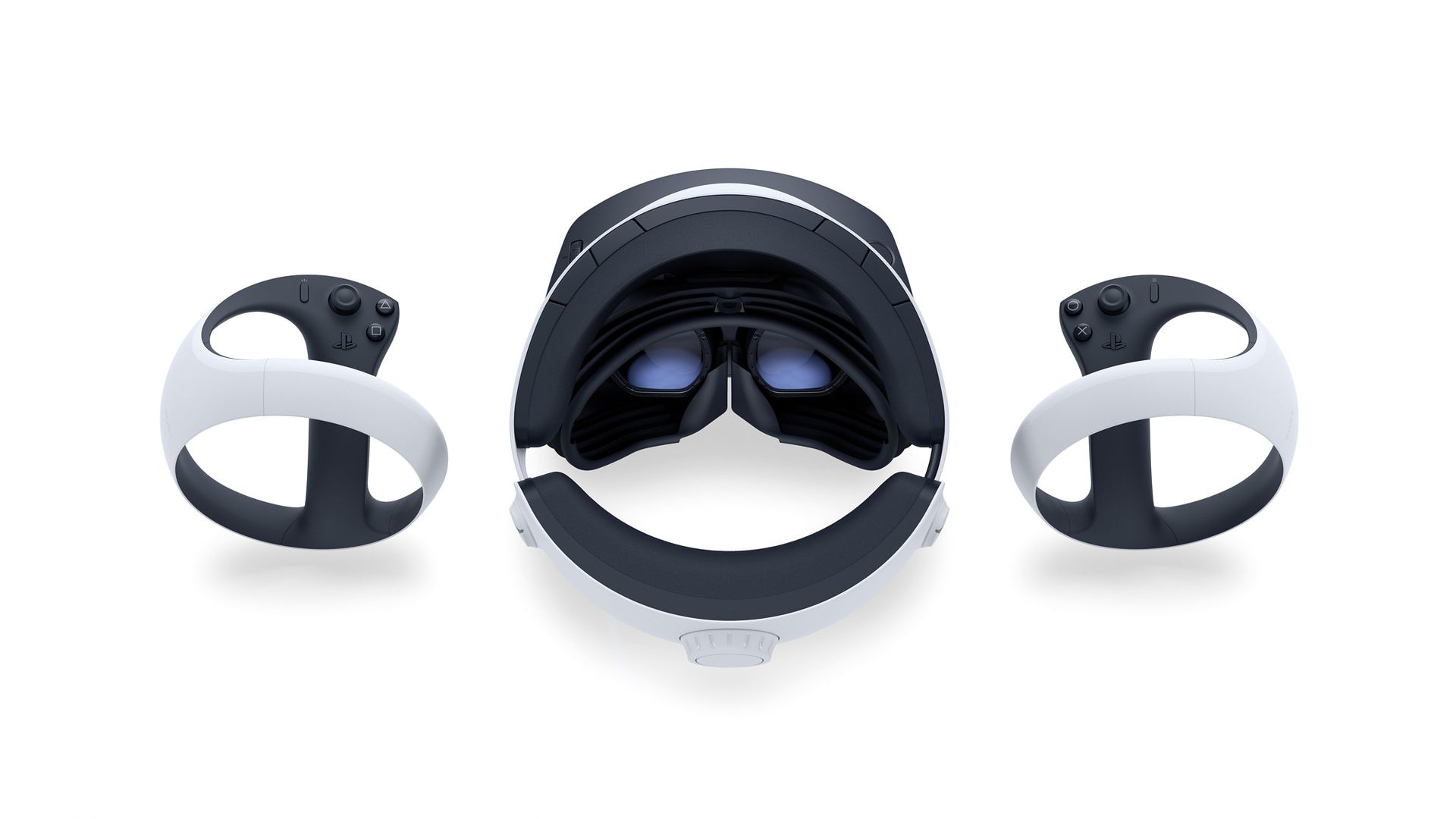
(Image credit: SIE) Since reviewing PSVR 2, I've held the strong belief that this is the best option for gaming that people can buy - even after testing newer rivals. Meta has produced affordable, mixed-reality excellence with the Quest 3 headsets. Pimax and HTC have proven visually lossless will always be unmatched, but PSVR 2's all round features, its jaw-dropping displays, and its gaming-centric design have always given it an edge I haven't found elsewhere on the shelves.
Which is why I'm now scratching my head.
Sony made something that, although had a lofty price tag, was far beyond the competition in terms of its specs, features, and user experience. It knew from its first VR rodeo, and countless game console generations, that dedicated software support is the name of the game, and yet, it chose to sit idly by and let the idea of PSVR 2 gather dust just as the headset itself did on people's shelves.
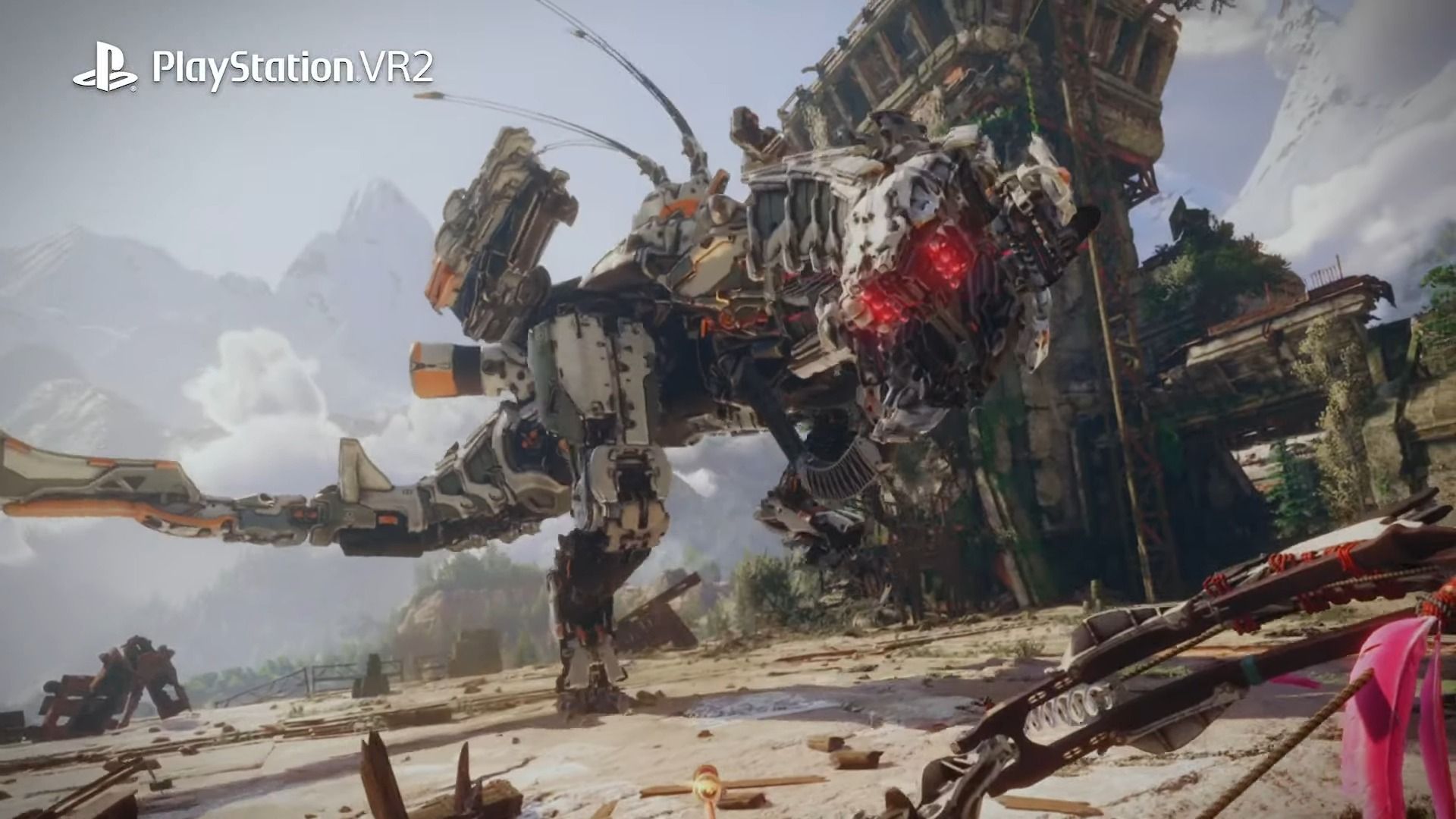
(Image credit: Guerrilla) If you ask a lot of gamers, the fate of PSVR 2 was sealed long before its gradual withdrawal from stores. In 2024, Sony shuttered or repurposed all of the VR studios it had spent so much money to acquire during the PS4 lifecycle. Sony London, the developer of PlayStation VR Worlds, was closed. Firesprite made Horizon Call of the Mountain, but has since seen downsizing. Guerilla Cambridge was closed despite making PSVR's well-received RIGS. Team Asobi made an Astro Bot VR title for PSVR, but it was repurposed for flat-screen Astro titles that admittedly went on to win GOTY.
Even if that was all unavoidable for business reasons I'm not privy to, it didn't need to be the death knell for PSVR 2.
There's plenty that PlayStation could have tried to do to keep interest alive. The VR category on the PlayStation Plus catalog has gotten smaller and smaller by the month. Free games as part of the service almost never included a VR game, which incentivized absolutely none of the PS5's user base to adopt the hardware. A lack of VR games in the wider market is a larger chicken-and-egg problem at the moment, but there are plenty on SteamVR that PlayStation could have made a bigger deal of securing.
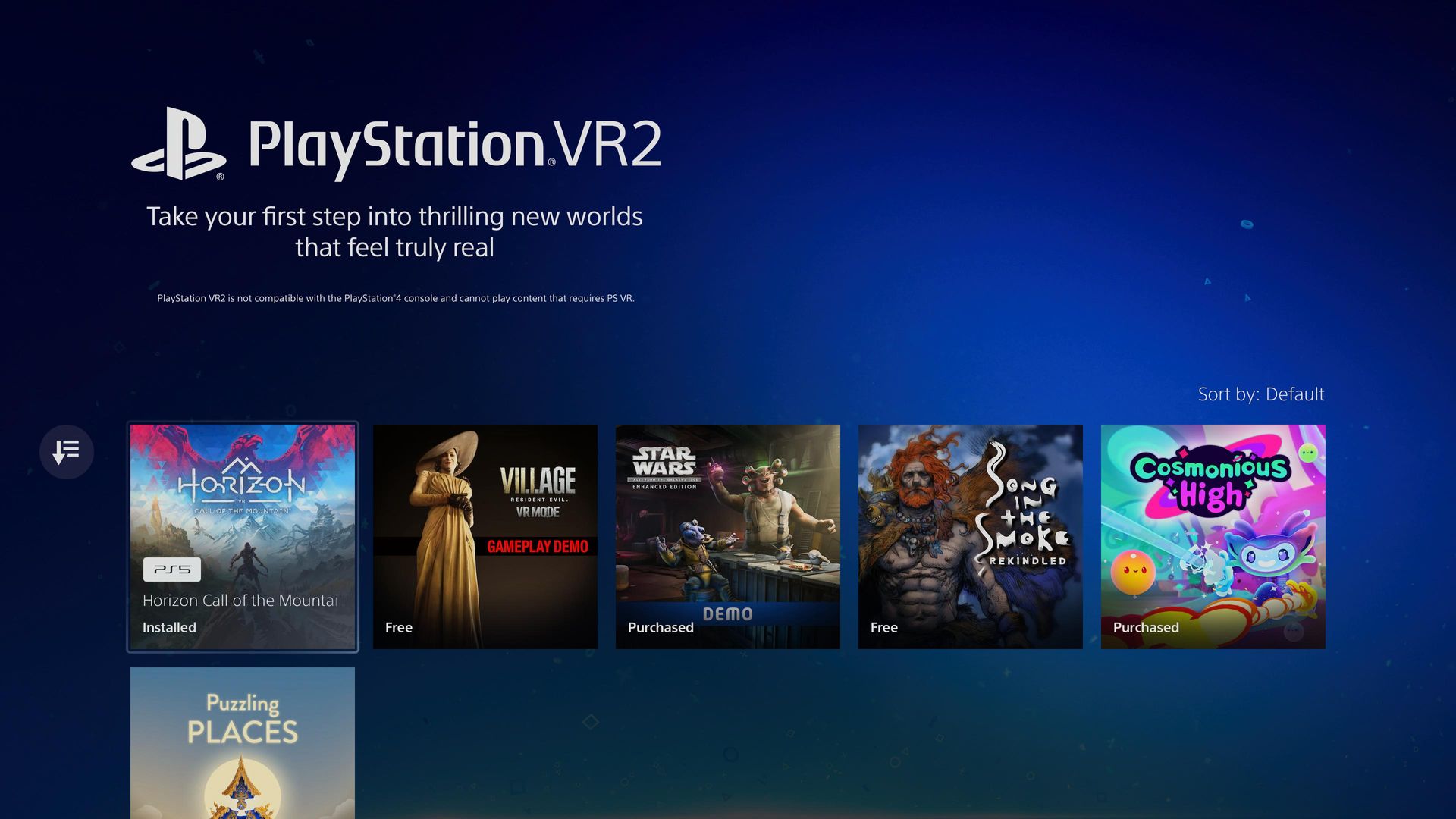
(Image credit: Sony) Despite even the first PSVR headset having a multitude of bundles and demos to support its sales on the shelves, PSVR 2 still only has one: the Horizon Call of the Mountain bundle it launched alongside.
State of Plays have made it clear that VR is no longer a priority to the PlayStation ecosystem for people who spent their hard-earned cash on a VR headset. The last time a VR game featured was back in the middle of 2025 when Thief VR: Legacy of Shadow was announced.
While I find it difficult to fault the design of PSVR 2, I can't condone its lack of a PC lifeline, namely, any anticipatory support for PC when it launched.
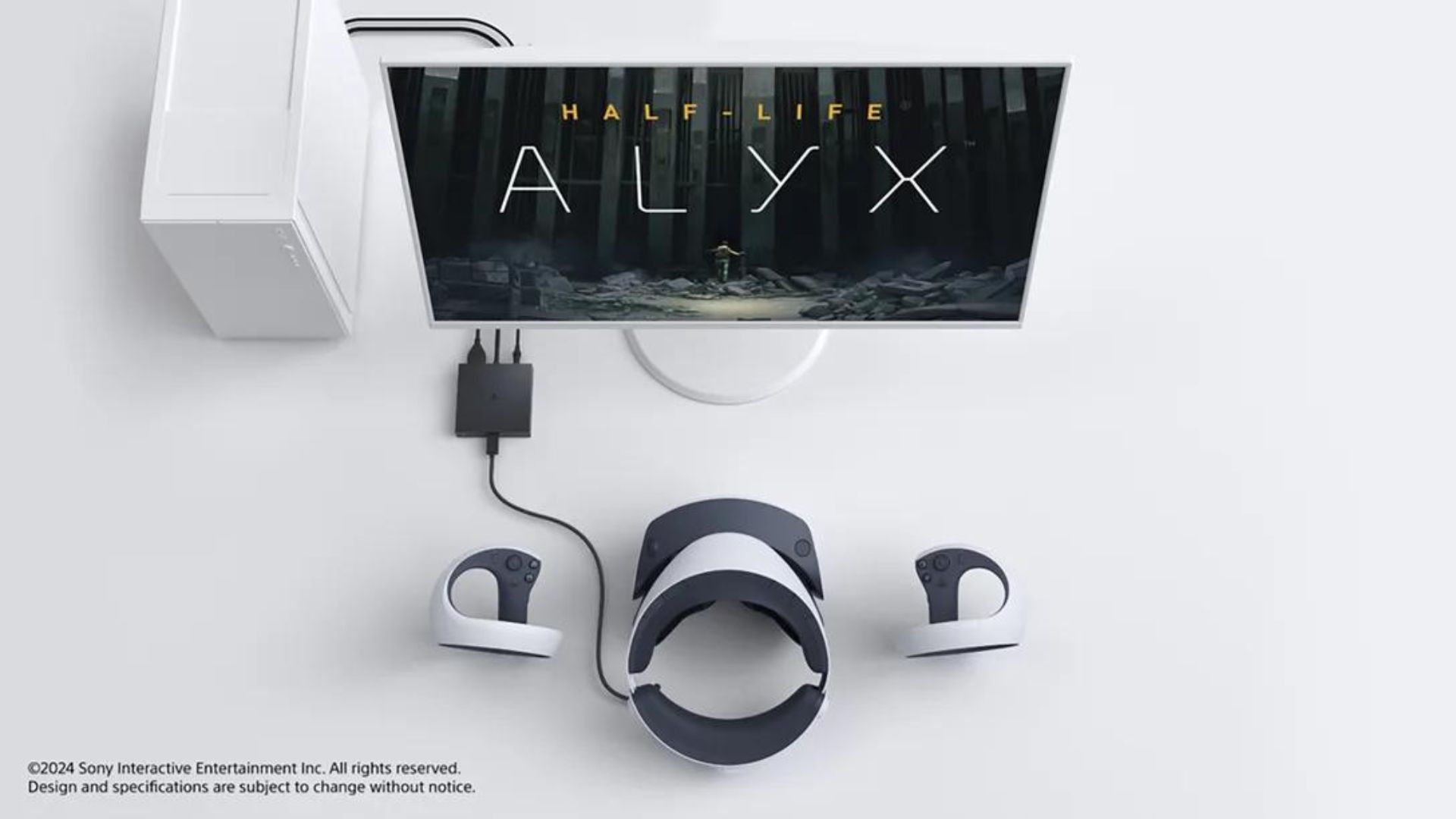
(Image credit: PlayStation) In the end, the lack of an intuitive linking system to PC cut the legs out from under PSVR 2 from the first. The PC adaptor was such a welcome addition that gave the headset a bit more momentum, but almost every review from customers and critics found it was clunky, complicated, and a very imperfect fix for a device that should have been able to link to a PC much more simply.
A $50 add-on that went out of stock almost immediately and was then imitated by unlicensed third-party brands was not the most appealing to begin with, but the fact that even when it worked, foveated rendering and headband haptic feedback didn't carry over from PS5 probably didn't add much appeal.
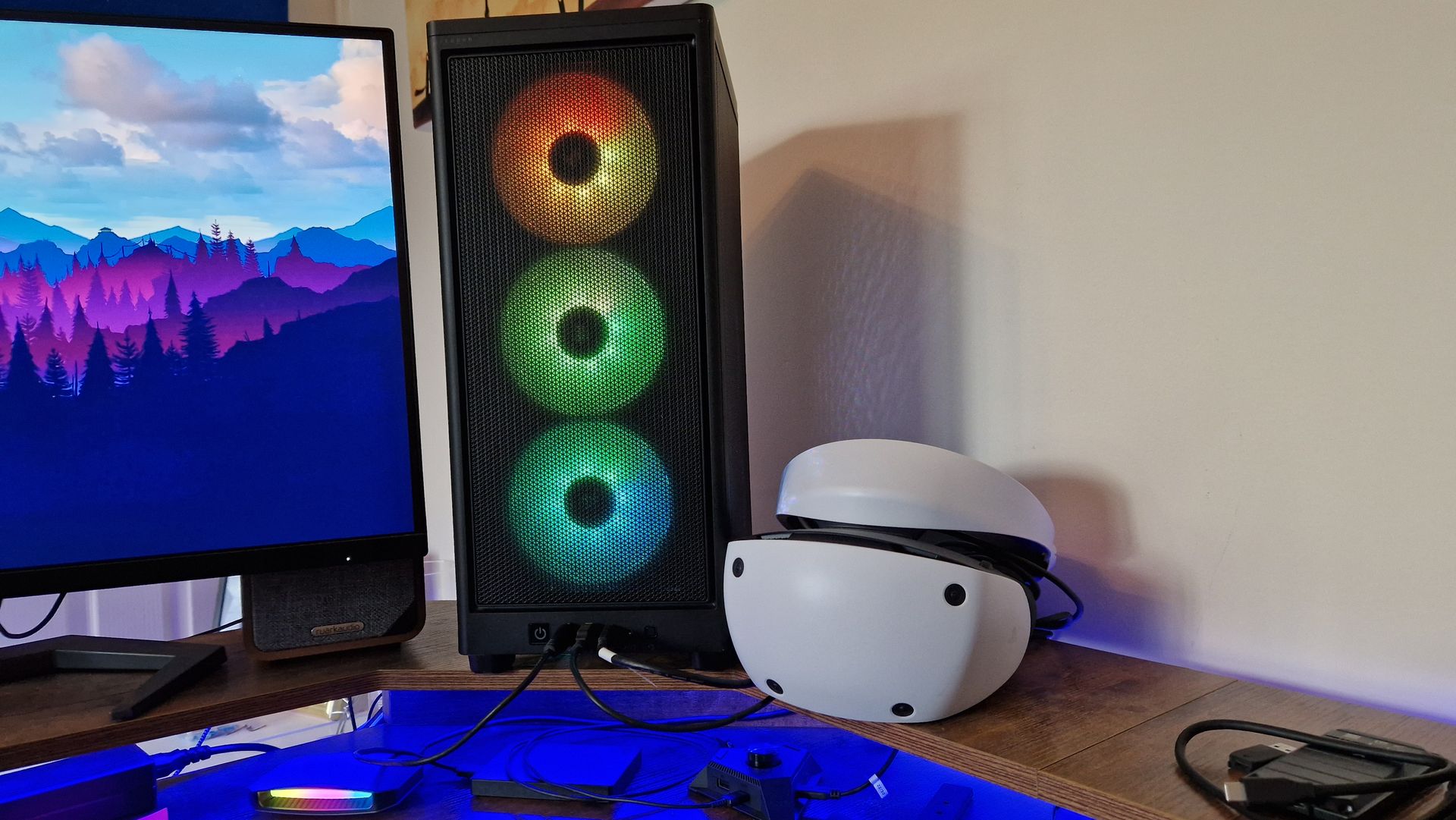
(Image credit: Future / Duncan Robertson) Fair enough, today, PlayStation has pulled back from any and all PC support, but back in 2023 its experiment with PC hardware and software releases was in full swing. It seems both incredibly arrogant and even more short-sighted of the folks at Sony not to make such a pricey bit of hardware compatible with the biggest segment of the VR market. A DisplayPort or HDMI port on the headset, or even a natural Windows USB connection from the get-go that lined up with Sony's Inzone hardware, could have given PSVR 2 a failsafe if the PS5 player base didn't adopt it.
Sony's mishandling of what is still a top-class bit of hardware will puzzle me for years to come. Like I say, I'm a massive VR fan, so my biases are clear, but I believe PSVR 2 could have survived a lack of support on the software side, or a lack of wider (and easier) PC support.
It didn't stand a chance against both of those things at once.
If you're interested in buying a different VR headset, check out our review of the Steam Frame, the Meta Quest 3, or the Pimax Dream Air.
[/url]

Jat AI
Stay informed with the latest in artificial intelligence. Jat AI News Portal is your go-to source for AI trends, breakthroughs, and industry analysis. Connect with the community of technologists and business professionals shaping the future.