






















Stranger than Heaven lead thinks its unusual controls are just "common sense"
Stranger Than Heaven is a notable departure for Yakuza and Like a Dragon developer RGG Studio, not least because it does away with the fast-paced, freewheeling combat of its previous brawlers in favor of a grittier, more grounded fighting system. The new combat has gotten a mixed response in early previews, but studio head and executive director Masayoshi Yokoyama believes challenging the status quo is key to being a great game developer. When you fight in Stranger Than Heaven, the left and right sides of the controller correspond to the left and right sides of your body. The left bumper will throw out a quick left jab, while a pull of the right trigger will have protagonist Makoto Daito deliver a heavier bow from his right arm. Yokoyama explains this control scheme for Edge magazine in an exclusive Stranger Than Heaven cover story which you can read here on GamesRadar+. “If you've never touched a controller before, you don't have any pre-established notions," Yokoyama explains, "so I think it's fairly common sense that if you hit the left button, you'd expect the left side of the character to move.” That kind of thinking, it seems, is part of Yokoyama's philosophy of game design. "A slight diversion, but why are jeans blue?" he asks. "Nobody really thinks about this. But I think that people who ask these questions – people who doubt everything they see, and [wonder], 'Why is this the way it is?' – I have the conviction that those people are natural game creators."https://www.youtube-nocookie.com/embed/prP4oXX6Jwo Stranger Than Heaven's control philosophy reminds me a bit of the original Assassin's Creed, another game that rejected design conventions. There, the controller's face buttons correspond to different parts of the protagonist's body, with specific actions changing depending on context. Tapping the legs button, for example, might make you jump, dodge, or sprint. Of course, the following Assassin's Creed games almost immediately abandon this puppeteering scheme in favor of more traditional controls, but the jury remains out on how Stranger Than Heaven's button mapping will feel through the full game. James loved the combat in September, but Josh wasn't a big fan of the fighting when he went hands-on with Stranger Than Heaven earlier this year. But perhaps there's another compelling argument to be made. "We want to tell the story of Daito through our combat system," Yokoyama explained at the time. "When the game starts, Makoto is quite young and he's not a great fighter – this story takes you through 50 years of his life – in the same way that when the player starts the game, they won't be that skillful with the systems either. So we're hoping that by playing this character throughout the ages, the player themselves will grow alongside the character." To answer Yokoyama's rhetorical question, there are apparently an array of reasons that jeans are blue. The indigo they were historically dyed with was inexpensive, the color hid dirt, and it bonded durably with the denim threads. In other words, it solved multiple issues at once – I guess we'll find out if Stranger Than Heaven has found a similarly durable solution when it launches in January. Quote of the Day by Stranger Than Heaven director: "Age and career length are not deciding factors" [/url]
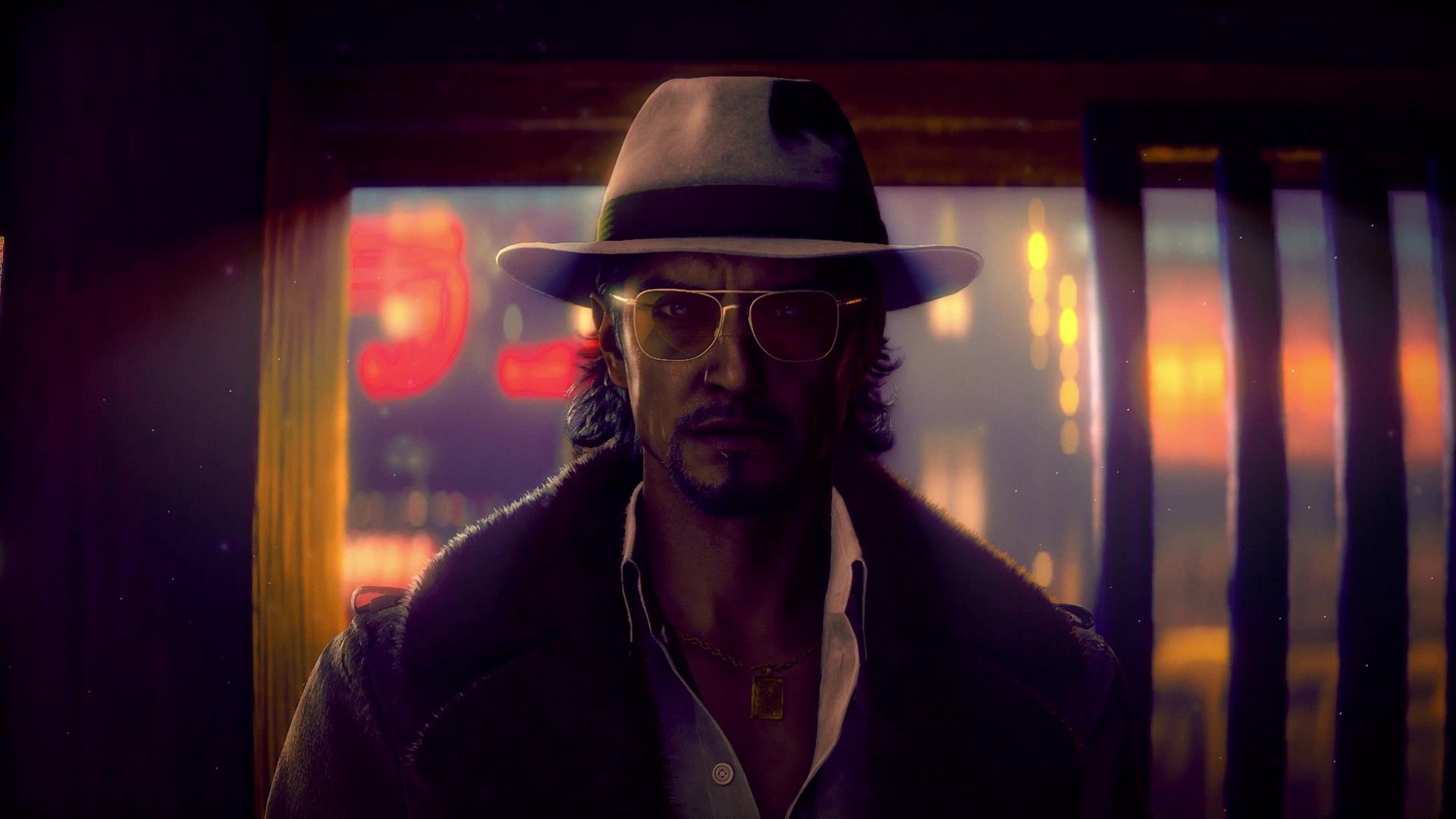 Stranger Than Heaven is a notable departure for Yakuza and Like a Dragon developer RGG Studio, not least because it does away with the fast-paced, freewheeling combat of its previous brawlers in favor of a grittier, more grounded fighting system. The new combat has gotten a mixed response in early previews, but studio head and executive director Masayoshi Yokoyama believes challenging the status quo is key to being a great game developer.
When you fight in Stranger Than Heaven, the left and right sides of the controller correspond to the left and right sides of your body. The left bumper will throw out a quick left jab, while a pull of the right trigger will have protagonist Makoto Daito deliver a heavier bow from his right arm. Yokoyama explains this control scheme for Edge magazine in an exclusive Stranger Than Heaven cover story which you can read here on GamesRadar+.
“If you've never touched a controller before, you don't have any pre-established notions," Yokoyama explains, "so I think it's fairly common sense that if you hit the left button, you'd expect the left side of the character to move.” That kind of thinking, it seems, is part of Yokoyama's philosophy of game design.
"A slight diversion, but why are jeans blue?" he asks. "Nobody really thinks about this. But I think that people who ask these questions – people who doubt everything they see, and [wonder], 'Why is this the way it is?' – I have the conviction that those people are natural game creators."
https://www.youtube-nocookie.com/embed/prP4oXX6Jwo Stranger Than Heaven's control philosophy reminds me a bit of the original Assassin's Creed, another game that rejected design conventions. There, the controller's face buttons correspond to different parts of the protagonist's body, with specific actions changing depending on context. Tapping the legs button, for example, might make you jump, dodge, or sprint.
Of course, the following Assassin's Creed games almost immediately abandon this puppeteering scheme in favor of more traditional controls, but the jury remains out on how Stranger Than Heaven's button mapping will feel through the full game. James loved the combat in September, but Josh wasn't a big fan of the fighting when he went hands-on with Stranger Than Heaven earlier this year. But perhaps there's another compelling argument to be made.
"We want to tell the story of Daito through our combat system," Yokoyama explained at the time. "When the game starts, Makoto is quite young and he's not a great fighter – this story takes you through 50 years of his life – in the same way that when the player starts the game, they won't be that skillful with the systems either. So we're hoping that by playing this character throughout the ages, the player themselves will grow alongside the character."
To answer Yokoyama's rhetorical question, there are apparently an array of reasons that jeans are blue. The indigo they were historically dyed with was inexpensive, the color hid dirt, and it bonded durably with the denim threads. In other words, it solved multiple issues at once – I guess we'll find out if Stranger Than Heaven has found a similarly durable solution when it launches in January.
Quote of the Day by Stranger Than Heaven director: "Age and career length are not deciding factors"
[/url]

Jat AI
Stay informed with the latest in artificial intelligence. Jat AI News Portal is your go-to source for AI trends, breakthroughs, and industry analysis. Connect with the community of technologists and business professionals shaping the future.