









2026 Valentine's romance scams and how to avoid them
Valentine's Day romance scams in 2026 use AI personas and automated scripts to target divorced and widowed individuals through data broker profiles.
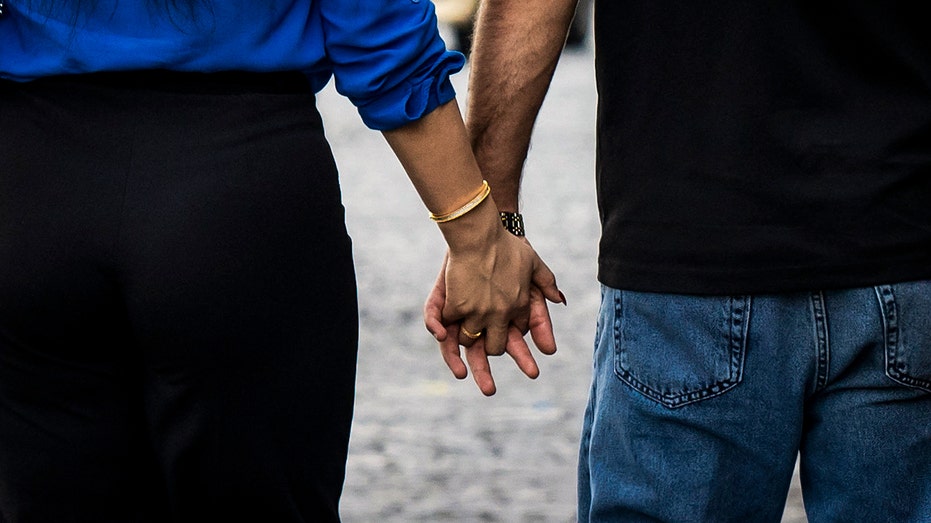
Valentine's Day should be about connection. However, every February also becomes the busiest season of the year for romance scammers. In 2026, that risk is higher than ever.
These scams are no longer simple "lonely hearts" schemes. Instead, modern romance fraud relies on artificial intelligence, data brokers and stolen personal profiles. Rather than sending random messages and hoping for a response, scammers carefully select victims using detailed personal data. From there, they use AI to impersonate real people, create convincing conversations and build trust at scale.
As a result, if you are divorced, widowed or returning to online dating after the holidays, this is often the exact moment scammers target you.
Sign up for my FREE CyberGuy Report
Get my best tech tips, urgent security alerts and exclusive deals delivered straight to your inbox. Plus, you’ll get instant access to my Ultimate Scam Survival Guide – free when you join my CYBERGUY.COM newsletter.
WHEN DATING APPS GET HACKED, YOUR PRIVATE LIFE GOES PUBLIC
Romance scams are no longer slow, one-on-one cons. They're now high-tech operations designed to target hundreds of people at once. Here's what's changed:
In the past, fake profiles used stolen photos and broken English. Today, scammers use AI-generated faces, voices and videos that don't belong to any real person, making them almost impossible to reverse search.
You may be interacting with a profile that:
Some scam networks even create entire fake families and friend groups online, so the person appears to have a real life, real friends and real history. To the victim, it feels like a genuine connection because the "person" behaves like one in every way.
Behind the scenes, many scammers now use software platforms that manage dozens of conversations at once. This is known as "scamware" and is incredibly hard to flag.
These systems:
When you mention that you are widowed, the tone quickly becomes more comforting. Meanwhile, if you say you are financially stable, the story shifts toward so-called "business opportunities." And if you hesitate, the system responds by introducing urgency or guilt. It feels personal, but in reality, you're being guided through a pre-written emotional funnel designed to lead to one outcome: money.
One of the fastest-growing versions of romance fraud now blends love and money. A BBC World Service investigation recently revealed that many romance scams are now run by organized criminal networks across Southeast Asia, using what insiders call the "pig butchering" model, where victims are slowly "fattened up" with trust before being financially destroyed.
These operations use call center style setups, data broker profiles, scripted conversations and AI tools to target thousands of people at once. This is not accidental fraud. It's an industry.
And the reason you were selected is simple. Your personal data made you easy to find, easy to profile and easy to target.
After weeks of trust-building, the scammer introduces:
They may show fake dashboards, fake profits and even let you "withdraw" small amounts at first to build trust. But once larger sums are sent, the site disappears and so does the person. There is no investment. There is no account. And there is no way to recover the funds.
AI DEEPFAKE ROMANCE SCAM STEALS WOMAN'S HOME AND LIFE SAVINGS
The biggest misconception is that romance scams begin on dating apps. They don't. They begin long before that, inside massive databases run by data brokers. These companies collect and sell profiles that include:
Scammers buy this data to build shortlists of ideal victims.
They filter for:
That's how they know who to target before the first message is ever sent.
Scammers aren't cruel by accident. They target people who are statistically more likely to respond. If you've lost a spouse, moved recently or reentered the dating world, your personal data often shows that. That makes you a priority target. And once your name lands on a scammer's list, it can be sold again and again. That's why many victims say, "I blocked them, but new ones keep showing up." It's not a coincidence. It's data recycling.
Most romance scams follow the same pattern:
By the time money is involved, the emotional connection is already strong. Many victims send thousands before realizing it's a scam.
If you want fewer scam messages this year, you need to remove your personal information from the places scammers buy it. That's where a data removal service comes in. While no service can guarantee the complete removal of your data from the internet, a data removal service is really a smart choice. They aren't cheap, and neither is your privacy.
These services do all the work for you by actively monitoring and systematically erasing your personal information from hundreds of websites. It's what gives me peace of mind and has proven to be the most effective way to erase your personal data from the internet. By limiting the information available, you reduce the risk of scammers cross-referencing data from breaches with information they might find on the dark web, making it harder for them to target you.
Check out my top picks for data removal services and get a free scan to find out if your personal information is already out on the web by visiting Cyberguy.com.
Get a free scan to find out if your personal information is already out on the web: Cyberguy.com.
Here's what you can do right now:
When you combine these steps, you remove the access, urgency and leverage scammers rely on.
SUPER BOWL SCAMS SURGE IN FEBRUARY AND TARGET YOUR DATA
Romance scams are no longer random. They are targeted, data-driven and emotionally engineered. This Valentine's Day, the best gift you can give yourself is privacy. By removing your personal data from broker databases, you make it harder for scammers to find you, profile you and exploit your trust. And that's how you protect not just your heart, but your identity, your savings and your peace of mind.
Have you or someone you love been contacted by a Valentine's Day romance scam that felt real or unsettling? Let us know your thoughts by writing to us at Cyberguy.com.
Sign up for my FREE CyberGuy Report
Get my best tech tips, urgent security alerts and exclusive deals delivered straight to your inbox. Plus, you’ll get instant access to my Ultimate Scam Survival Guide – free when you join my CYBERGUY.COM newsletter.
Copyright 2026 CyberGuy.com. All rights reserved.




![KAIZEN Locations & Map Guide – Boss, Chest, Weapon, Style [KASHIMO]](https://www.destructoid.com/wp-content/uploads/2026/02/kaizen-locations-and-map-guide.jpg)