



















IT: Welcome to Derry artist calls his new Resident Evil-like horror "a cinematic experience" – and it's not a zombie game
Slimy tentacles slithering out of a decapitated skull. Flies descending on a corpse, grey and mottled beneath a waxy sheen of rot. Watching the latest ILL trailer shown during Summer Game Fest, every frame feels meticulously crafted to make your skin crawl. "We have our own vision of how horror should work," studio co-founder and ILL's creative director Max Verehin tells me. While the game is inspired by survival horror games like Resident Evil – specifically the "resource scarcity and management, exploration, and the level design" elements – Team Clout aims to "lean towards the physics-based action gameplay." The heft of each movement, be it the weight of a gun in the protagonist's hand as the trigger is pulled or the feeling of prising a pipe out of a wall by force, are paramount in creating a "fun playground for players to play with these characters". A distinct physicality sits at the heart of ILL's design ethos, from its anatomically-precise dismemberment system to the weapons used to defend yourself. Having worked as an artist for IT: Welcome to Derry and various other Universal and Sony productions, it's clear Verehin lives and breathes the horror genre. This cinematic edge can be keenly felt in ILL, as Team Clout approaches its upcoming horror game with the creative techniques of filmmaking to make each gory scream off the screen.Knifemare (Image credit: Team Clout inc) GamesRadar+ Summer Preview (Image credit: PlayStation, Xbox, Amazon, Rockstar) Read more about ILL and all the latest new game announcements from Summer Game Fest 2026 in our Summer Preview Special, from exclusive dev access to analysis and more. Body horror is a huge hook in ILL. It's also one of Verehin's fascinations when it comes to what makes the genre tick in film, especially in terms of practical effects, with ILL recapturing "the feeling of making a shot" by taking the theory of cinematic mise en scene – the composition of a camera shot, from framing to characters, items, lighting, and more – and applying it to a video game. "ILL is definitely a cinematic experience by its nature," says verehin. "When we started to grow the project and decided that there was going to be a story with [cinematic] cutscenes, we used our experience in how movie production works – how they make their animation drafts, and how they turn into the final results that you see on screen. "I had the opportunity to see very early drafts of the scenes from Welcome to Derry, for example, and we are actually trying to make it the same [way] in ILL," Verehin says of the draft animation to final-product pipeline. Team Clout also storyboards each scene shot for shot, bringing the frames to life in steps. "Of course, there is the limitation of not being able to reproduce super photo-real visuals, but [we are] aiming in that regard to the fidelity of what you see visually in the movies, and using camera tricks to make it cinematic as well." Along with a visceral dismemberment system and gnarly weighted weapon impact, striking a cinematic tone is "our main goal," he says. "We are trying to stay true to [a cinematic feel] and make it feel as immersive as possible, but we are never aiming for super realism," Verehin clarifies. "It is not a simulator game. We are trying to exaggerate things, so it feels cooler." That means certain video game rules still apply – all melee weapons are breakable, though can be upgraded to enhance their hardiness. Bullets are in short supply, too, though the core combat function is more heavily weighted toward gunplay, though we can expect some scenes where the protagonist (voiced by Resident Evil Requiem and Remakes' actor, Nick Apostolides) finds himself totally defenceless. (Image credit: Team Clout inc) Camera tricks come into play in all of the cutscenes we've seen so far, especially in the latest trailer, which is the first piece of story exposition we've been treated to. "We are trying to stick to the first person [perspective], but we allowed ourselves to be more real here, and we actually sometimes bring the camera away from the protagonist." Verehin knows that some FPS fans might find that a bit immersion-breaking, but hey – they did it in Dying Light: The Beast, and no one batted an eye. "You cannot really create a cinematic experience if you're not playing with FOV or zoom effects, so we're playing a lot with this and having some fun around that." One key difference between Dying Light hero Kyle and Nick Apostolides' character in ILL is the fact that we don't actually get to see his face. Shades of Resident Evil 7 again, right? Kind of – keeping the character's face a mystery is not only helpful for creating a similar "everyman" feeling to that of Ethan Winters' character, but it helps avoid "a lot of [development] headaches," Verehin laughs. "There are a lot of headaches. This is one of them."Slay and pray (Image credit: Team Clout inc) ILL's penchant for cinematic oddity seems tapped from an endless well of grotesqu
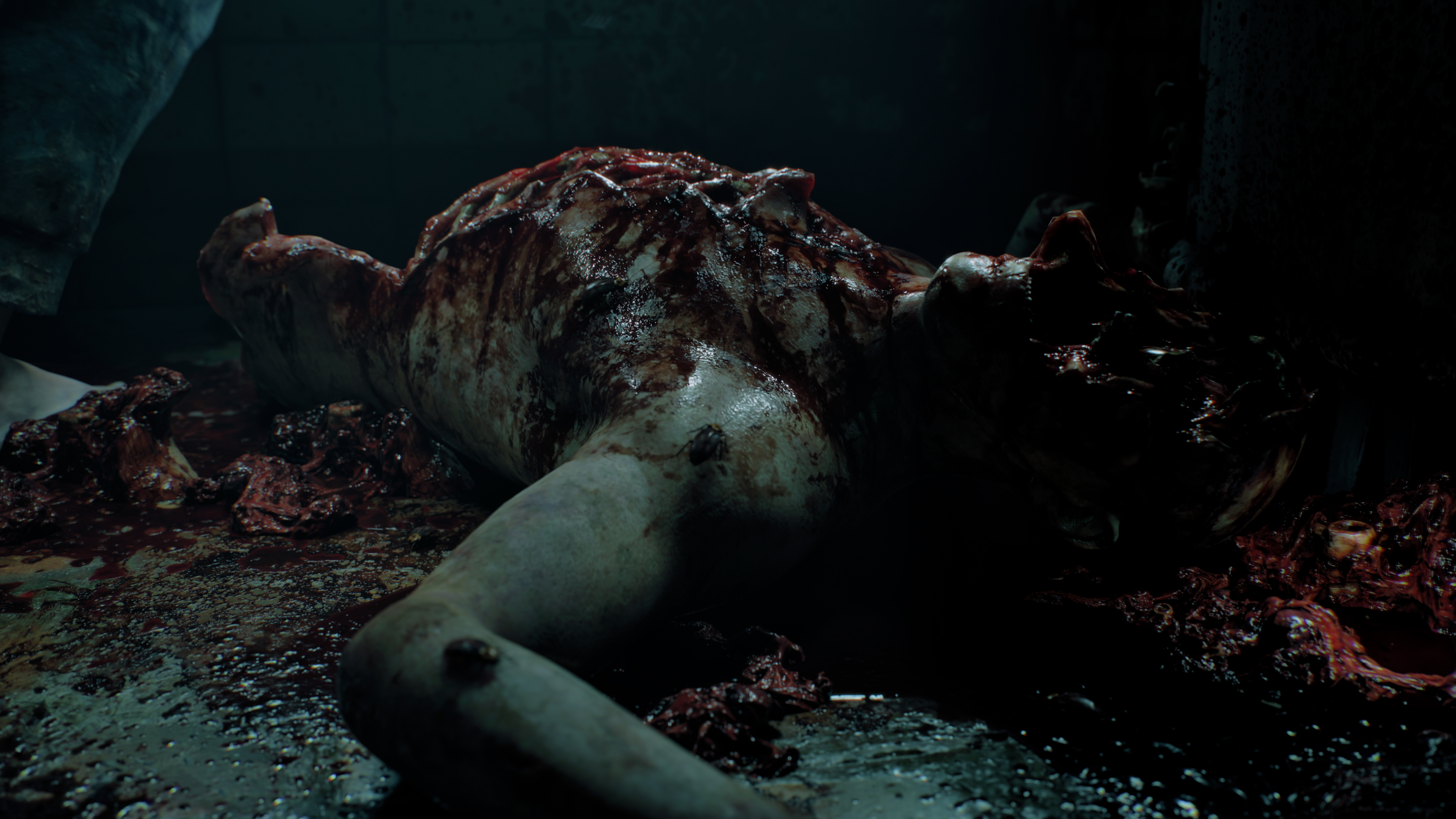
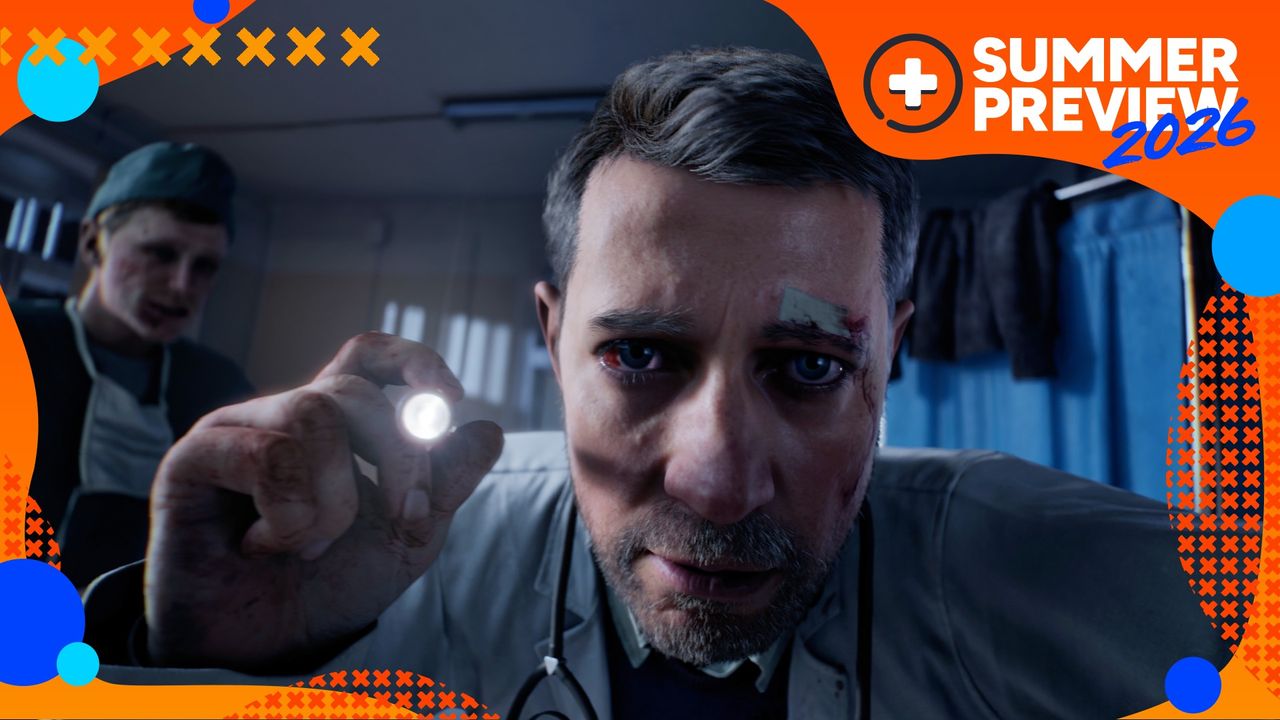 Slimy tentacles slithering out of a decapitated skull. Flies descending on a corpse, grey and mottled beneath a waxy sheen of rot. Watching the latest ILL trailer shown during Summer Game Fest, every frame feels meticulously crafted to make your skin crawl.
"We have our own vision of how horror should work," studio co-founder and ILL's creative director Max Verehin tells me. While the game is inspired by survival horror games like Resident Evil – specifically the "resource scarcity and management, exploration, and the level design" elements – Team Clout aims to "lean towards the physics-based action gameplay."
The heft of each movement, be it the weight of a gun in the protagonist's hand as the trigger is pulled or the feeling of prising a pipe out of a wall by force, are paramount in creating a "fun playground for players to play with these characters". A distinct physicality sits at the heart of ILL's design ethos, from its anatomically-precise dismemberment system to the weapons used to defend yourself.
Having worked as an artist for IT: Welcome to Derry and various other Universal and Sony productions, it's clear Verehin lives and breathes the horror genre. This cinematic edge can be keenly felt in ILL, as Team Clout approaches its upcoming horror game with the creative techniques of filmmaking to make each gory scream off the screen.
Knifemare
(Image credit: Team Clout inc) GamesRadar+ Summer Preview

(Image credit: PlayStation, Xbox, Amazon, Rockstar) Read more about ILL and all the latest new game announcements from Summer Game Fest 2026 in our Summer Preview Special, from exclusive dev access to analysis and more.
Body horror is a huge hook in ILL. It's also one of Verehin's fascinations when it comes to what makes the genre tick in film, especially in terms of practical effects, with ILL recapturing "the feeling of making a shot" by taking the theory of cinematic mise en scene – the composition of a camera shot, from framing to characters, items, lighting, and more – and applying it to a video game.
"ILL is definitely a cinematic experience by its nature," says verehin. "When we started to grow the project and decided that there was going to be a story with [cinematic] cutscenes, we used our experience in how movie production works – how they make their animation drafts, and how they turn into the final results that you see on screen.
"I had the opportunity to see very early drafts of the scenes from Welcome to Derry, for example, and we are actually trying to make it the same [way] in ILL," Verehin says of the draft animation to final-product pipeline. Team Clout also storyboards each scene shot for shot, bringing the frames to life in steps. "Of course, there is the limitation of not being able to reproduce super photo-real visuals, but [we are] aiming in that regard to the fidelity of what you see visually in the movies, and using camera tricks to make it cinematic as well."
Along with a visceral dismemberment system and gnarly weighted weapon impact, striking a cinematic tone is "our main goal," he says. "We are trying to stay true to [a cinematic feel] and make it feel as immersive as possible, but we are never aiming for super realism," Verehin clarifies. "It is not a simulator game. We are trying to exaggerate things, so it feels cooler."
That means certain video game rules still apply – all melee weapons are breakable, though can be upgraded to enhance their hardiness. Bullets are in short supply, too, though the core combat function is more heavily weighted toward gunplay, though we can expect some scenes where the protagonist (voiced by Resident Evil Requiem and Remakes' actor, Nick Apostolides) finds himself totally defenceless.

(Image credit: Team Clout inc) Camera tricks come into play in all of the cutscenes we've seen so far, especially in the latest trailer, which is the first piece of story exposition we've been treated to. "We are trying to stick to the first person [perspective], but we allowed ourselves to be more real here, and we actually sometimes bring the camera away from the protagonist."
Verehin knows that some FPS fans might find that a bit immersion-breaking, but hey – they did it in Dying Light: The Beast, and no one batted an eye. "You cannot really create a cinematic experience if you're not playing with FOV or zoom effects, so we're playing a lot with this and having some fun around that."
One key difference between Dying Light hero Kyle and Nick Apostolides' character in ILL is the fact that we don't actually get to see his face. Shades of Resident Evil 7 again, right? Kind of – keeping the character's face a mystery is not only helpful for creating a similar "everyman" feeling to that of Ethan Winters' character, but it helps avoid "a lot of [development] headaches," Verehin laughs. "There are a lot of headaches. This is one of them."
Slay and pray
(Image credit: Team Clout inc) ILL's penchant for cinematic oddity seems tapped from an endless well of grotesque, delightful weirdness...
Seeing the world through the eyes of our as-yet nameless hero, woken from a coma to nightmarish horrors overtaking the research facility, is a sight to behold. I pick up on strange bits of retro tech in certain frames, old computers and typing equipment that would seem more at home in the 80s rather than the 2020s. "We are trying to create this feeling of analog sci-fi horror," Verehin says, channeling the retro '80s sci-fi movies that inspired him in the first place in a style similar to that of Alien: Romulus. "The game is set in the '80s too, but I'm not going to spoil exactly when."
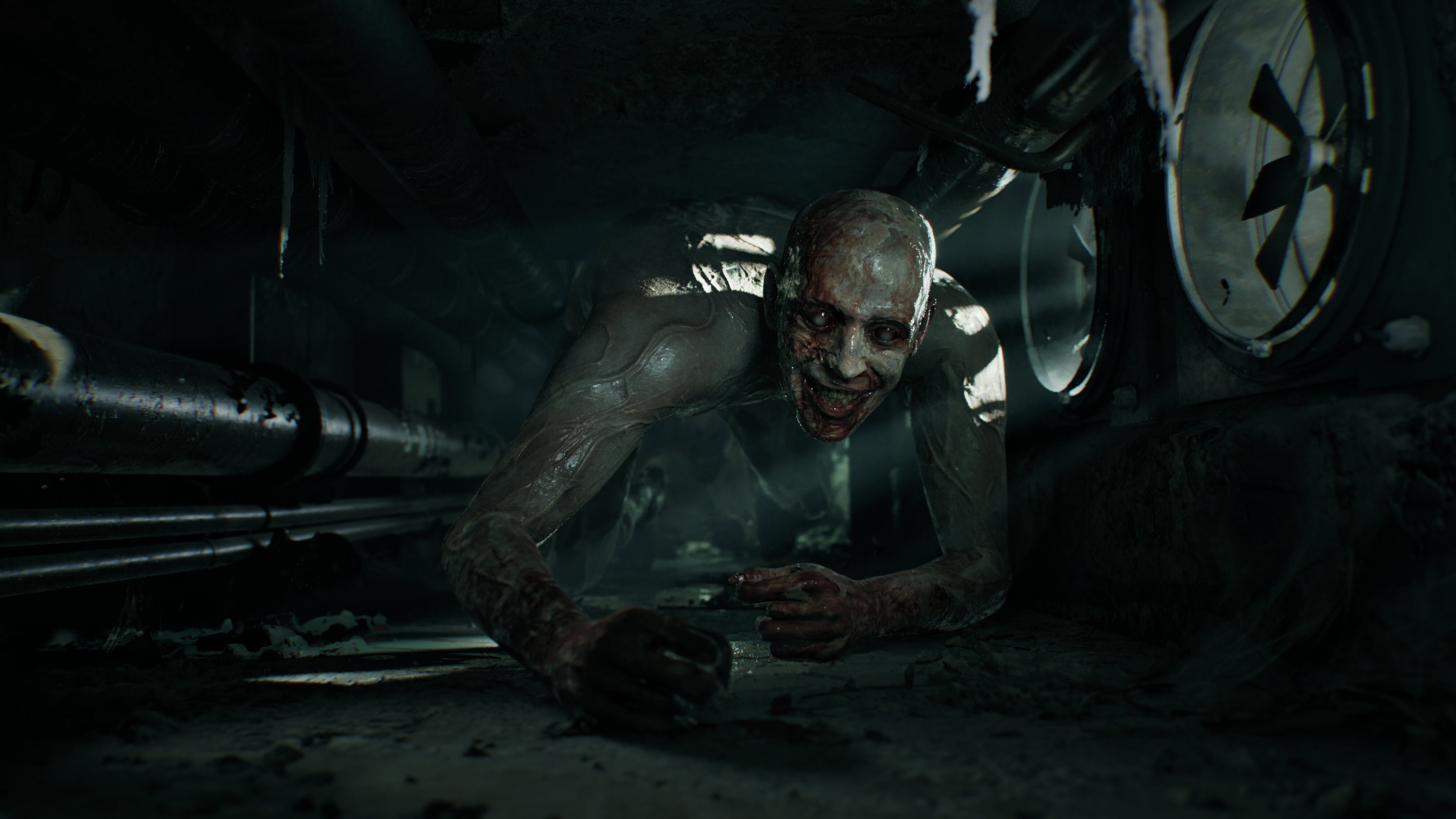
One thing's for sure, though: ILL is not a zombie game. "We're actually trying to get away from the feeling that we have zombies in our game," Verehin says. The game's official Steam page describes the humanoid monsters as "aberrations" with violent tendencies and "unique behavioral abilities," though where they came from and what exactly happened at the facility is yet to be revealed.

(Image credit: Team Clout inc) There also seems to be a degree of unpredictability as to when and where Aberrations might show up. "They might appear in really funny and surprising circumstances, animation-wise," Verehin says. "You might walk around, see a fridge, and there is an enemy in the fridge who just slams open the door and takes you into the fridge. This is a random situation. This is not from the game, I'm just making it up," he says, but the point is that the enemies don't always do "bad" things – they get a little weird, too.
In a trailer filled with blasted-off limbs, grinning naked men inching toward you with a weapon, and a gigantic toothsome head crashing through a solid concrete wall to take a side-swipe at you, being yanked into a refrigerator sounds quite relaxing. ILL's penchant for cinematic oddity seems tapped from an endless well of grotesque, delightful weirdness, and I can't wait to experience the ghoulish torment for myself when I finally get my hands on it in 2027.
 (Image credit: Future) [/url]
Jat AI
Stay informed with the latest in artificial intelligence. Jat AI News Portal is your go-to source for AI trends, breakthroughs, and industry analysis. Connect with the community of technologists and business professionals shaping the future.