





















Pilotless cargo aircraft could change how packages move
Elroy Air's Chaparral can carry over 500 pounds and fly 450 miles without a runway, and the FAA just tested it under a new federal program.
A broken pump on an offshore platform, or medical supplies needed after a hurricane can be tough to move quickly. The FAA just tested one possible solution: a hybrid-electric cargo aircraft that can take off vertically and fly without a crew onboard.
The FAA announced that Elroy Air and the Louisiana Department of Transportation and Development conducted a cargo demonstration at Houma-Terrebonne Airport in Louisiana. The agency says it was the first remotely piloted aircraft test flight under its eVTOL (electric vertical takeoff and landing) Integration Pilot Program, known as eIPP.
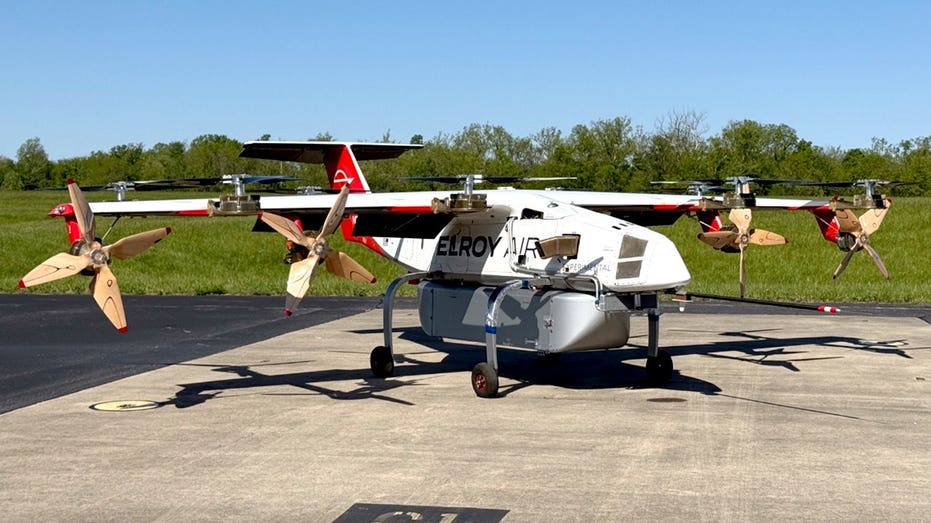
That may sound like a specialized aviation test, but the bigger story is what aircraft like this could eventually do. Elroy Air's Chaparral can carry more than 500 pounds, putting it in a very different league from the small delivery drones you may picture hovering over a driveway.
So, could pilotless aircraft like this eventually change how everything from emergency supplies to everyday goods moves across the country? Here's what the FAA is testing and why it could be a big deal.
MISSOURI TESTS MEDICAL DRONES TO SPEED UP RURAL HEALTH CARE
Missed CyberGuy LIVE? Watch the Protect Your Money replay
Our free CyberGuy LIVE class, Protect Your Money From Today’s Biggest Threats, has ended, but you can still watch the full replay and download our financial protection checklist. Kurt "CyberGuy" Knutsson walks you through five simple ways to help defend yourself against AI scams, fraud, identity theft and financial hacks. You’ll learn how to set up bank alerts, strengthen your account logins, protect your phone number, freeze your credit and help secure your retirement savings against unauthorized transfers. No technical experience is needed.
Get the free replay and checklist now at CyberGuyLive.com
The FAA created eIPP to help the government learn how next-generation aircraft can operate safely in U.S. airspace. In March, the Department of Transportation selected eight projects across 26 states. Louisiana is one of the participants, and more test flights are planned through the rest of 2026. FAA Administrator Bryan Bedford said the Louisiana demonstration provides data that can help "turn these concepts from trial to deployment."
That line gets to the heart of this test. Chaparral has flown before. In December 2025, Elroy Air completed its first point-to-point cargo delivery with the aircraft. During that demonstration, Chaparral autonomously carried 213 pounds over a 2.6-mile flight. What changed here is the regulatory setting. The FAA now gets to study these flights as part of a federal program focused on bringing advanced aircraft into the national airspace.
Chaparral looks more like a small cargo aircraft than the drone that might bring dinner to your house. It uses electric propulsion for vertical takeoff and landing. Then it transitions to wingborne flight for the longer part of the trip. A hybrid-electric powertrain gives the aircraft longer-range capability without requiring charging infrastructure at every stop. Elroy Air's current Chaparral specifications list a maximum range of 450 miles and a payload of more than 500 pounds.
The cargo system is unusual, too. Elroy designed modular pods that workers can load before the aircraft arrives. Chaparral can pick up a pod, fly it to another location and leave it there. That could reduce the amount of ground equipment needed at remote sites. Because it can take off vertically, Chaparral can serve locations that lack a traditional runway.
There is an important detail behind the word "pilotless." The FAA described the Louisiana demonstration as remotely piloted. Elroy Air later said Chaparral completed a week-long series of flights autonomously with no pilot onboard while operating under Air Traffic Control oversight.
That means humans still play a role in overseeing these operations even when the aircraft handles the flight autonomously. As testing continues, regulators will have to determine how much human supervision is required and how the aircraft should respond to communication failures, changing weather or other unexpected problems.
DOORDASH GETS FAA APPROVAL FOR ITS OWN DELIVERY DRONES
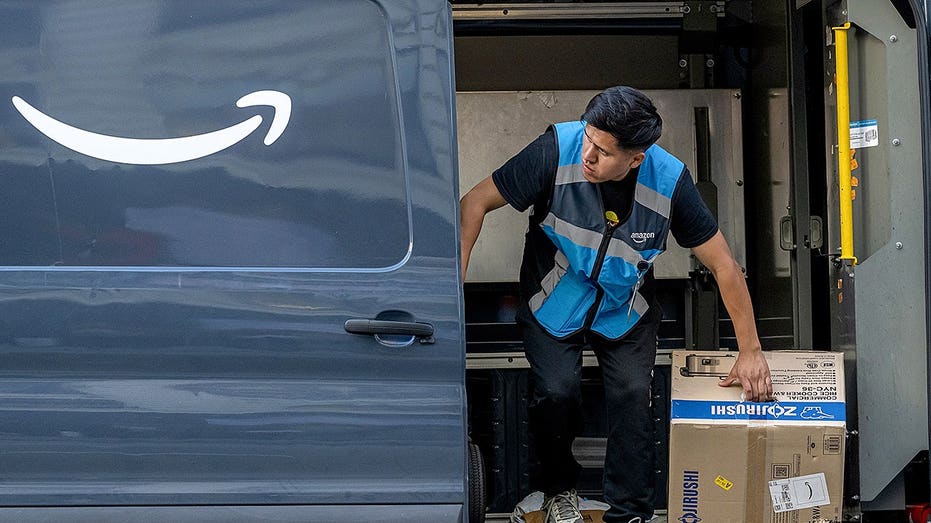
You probably will not see a Chaparral dropping an Amazon box onto your front lawn anytime soon. The aircraft targets what the logistics industry calls the middle mile. That means moving cargo between larger points in a delivery network rather than carrying one small order to your doorstep.
Elroy Air has pointed to offshore energy operations and industrial supply chains as potential uses. The company also sees an opportunity in disaster response, where damaged roads can make moving supplies far more difficult. For example, Chaparral could carry replacement equipment to an offshore facility without sending a crewed helicopter. After a major storm, aircraft like it could eventually help move heavier supplies into areas that ground vehicles struggle to reach.
Elroy Air said when it joined eIPP earlier this year that the program could include cargo operations across the Gulf Coast, including energy industry locations in Louisiana, Texas and Mississippi.
Delivery drones are starting to show up in more places, but most of them are still carrying pretty small loads. Amazon plans to expand Prime Air drone delivery to nearly 500 U.S. cities and towns by the end of 2026. Those drones are built for lightweight packages delivered directly to customers. We recently took a closer look at Amazon's huge drone delivery expansion and what it could mean if you live in one of the communities getting the service.
Meanwhile, other companies are working on the last part of the trip. Robot.com's R-dog uses wheeled legs to get over obstacles such as stairs and curbs while carrying deliveries.
Chaparral takes on a much bigger job. Instead of carrying one sandwich or a small box, it is built to move substantial cargo between locations. That could make heavy-duty delivery one of the first places where this kind of aircraft proves especially useful.
The Louisiana flight represents one step in a much broader federal test program. The FAA says it will study these demonstrations, identify problems and refine procedures for advanced air mobility. Louisiana and the other eIPP participants plan additional flights through the rest of the year.
Watch how much human supervision the FAA requires as the technology develops. Regulators will also have to decide where these aircraft can operate routinely. Another major test will come when something goes wrong. Communication can fail. Weather can change. The aircraft will need dependable ways to respond safely when either happens. Those answers will tell us much more about how close pilotless cargo aircraft are to regular commercial use.
100 KODIAK DRIVERLESS TRUCKS ARE HEADED FOR PUBLIC ROADS
The biggest change could happen behind the scenes before you ever see one of these aircraft overhead. If heavy cargo can move faster between remote locations, companies could shorten some supply routes. Communities that are expensive or difficult to reach could gain another delivery option.
Emergency response could benefit as well. An aircraft that takes off without a runway could potentially keep supplies moving when damaged infrastructure slows trucks or traditional aircraft.
However, communities will want answers about noise and flight paths. Safety questions will be even bigger as these aircraft begin sharing more airspace with conventional aviation.
For you, the FAA's work now could eventually influence which autonomous delivery services reach your area and what safeguards come with them.
What gets my attention here is how much work this aircraft could actually take on. We have watched small delivery drones inch closer to everyday use for years, but Chaparral is built for a much bigger job. It can move hundreds of pounds over real distances without needing a runway at every stop. I also like that the FAA is testing this in a real-world program instead of rushing it into wider use. Regulators need to see how these aircraft handle shared airspace, changing conditions and unexpected problems. The bar should stay high when you are talking about hundreds of pounds flying overhead. For now, I would keep an eye on remote worksites, disaster response and other places where moving cargo is difficult or slow. If these aircraft prove they can do that safely and reliably, they could end up changing a much bigger part of the delivery network.
Would you feel comfortable with pilotless cargo aircraft routinely flying over your community if they could speed up deliveries and emergency response? Let us know by writing to us at Cyberguy.com.
Sign up for my FREE CyberGuy Report
Copyright 2026 CyberGuy.com. All rights reserved.