












Gabe Newell made Steam after going "f*** these publishers," Counter-Strike co-creator believes
In terms of industry-altering decisions, Valve's decision to open Steam is up there with Nintendo making Super Mario Bros. and Sony creating the PlayStation. It revolutionized PC game distribution practically overnight, and one of the creators of Counter-Strike believes it all stemmed from dissatisfaction with the publishing landscape. Minh Le was a co-creator on Counter-Strike, and he worked at Valve under Gabe Newell for a number of years after selling the multiplayer shooter to the company. Chatting with Indie Game Joe on YouTube, he explains how poor dealings with Sierra led to the inception of Steam. "I think Gabe was the guy who said, 'Fuck these publishers,'" he says. "Valve, they were working with a company called Sierra, which was their publisher. So Sierra was publishing Half-Life, and I think they published Half-Life 2, but working with Sierra was such a bad experience and it left a really sour taste in Gabe's mouth that he wanted to just say, 'Fuck it. I never want to deal with publishers anymore.'"https://www.youtube-nocookie.com/embed/Bq_131WvOUs Sierra did indeed publish the first Half-Life, but not the second, because Valve's relationship with the company had soured dramatically, resulting in lawsuits going in both directions. The sequel was fundamental to Steam's launch – back in 2004, Valve made the extremely smart choice of making its shiny new marketplace mandatory for anyone who bought Half-Life 2. The follow-up to the groundbreaking FPS had a lot of buzz surrounding it, and Newell and his cohorts understood those people could be converted into an install base for their fledgling digital distribution platform. Even though change was definitely necessary, Le remembers a certain amount of skepticism. "A lot of people at Valve, a lot of my coworkers, we were like, 'Is this going to work?'" he says. "Because this was 2001, 2002. In 2002, peoples' internet was not very good, [it was] very slow. So we had these physical stores where you had to go and buy your games. Back then, I would say everybody was just buying the game. There was no such thing as downloading games. Everybody's internet was so slow. We were like, 'It's taking me a day just to download Half-Life, this is not gonna work.'" But he admits, they "didn't have the forethought" for broadband and Wi-Fi and the internet becoming as fast and as ubiquitous as it is now. "We just didn't really anticipate the speed at which the internet would grow," he adds. "Seeing everything change, 25 years on, and watching Steam's evolution has been really eye-opening." Valve devs "can't believe we get away" with such small updates for Team Fortress 2 and Counter-Strike, ex-writer says. [/url]
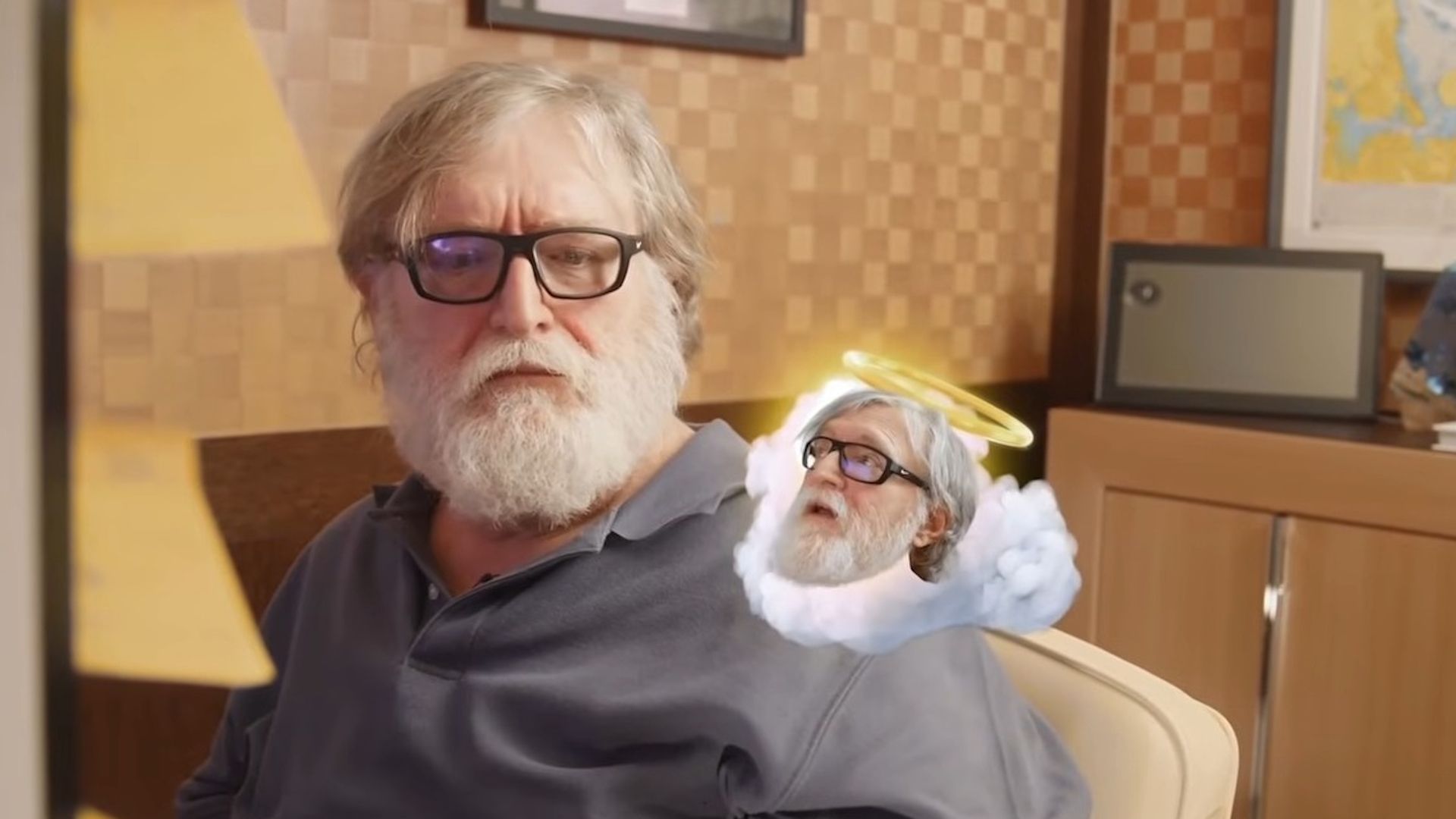 In terms of industry-altering decisions, Valve's decision to open Steam is up there with Nintendo making Super Mario Bros. and Sony creating the PlayStation. It revolutionized PC game distribution practically overnight, and one of the creators of Counter-Strike believes it all stemmed from dissatisfaction with the publishing landscape.
Minh Le was a co-creator on Counter-Strike, and he worked at Valve under Gabe Newell for a number of years after selling the multiplayer shooter to the company. Chatting with Indie Game Joe on YouTube, he explains how poor dealings with Sierra led to the inception of Steam.
"I think Gabe was the guy who said, 'Fuck these publishers,'" he says. "Valve, they were working with a company called Sierra, which was their publisher. So Sierra was publishing Half-Life, and I think they published Half-Life 2, but working with Sierra was such a bad experience and it left a really sour taste in Gabe's mouth that he wanted to just say, 'Fuck it. I never want to deal with publishers anymore.'"
https://www.youtube-nocookie.com/embed/Bq_131WvOUs Sierra did indeed publish the first Half-Life, but not the second, because Valve's relationship with the company had soured dramatically, resulting in lawsuits going in both directions. The sequel was fundamental to Steam's launch – back in 2004, Valve made the extremely smart choice of making its shiny new marketplace mandatory for anyone who bought Half-Life 2.
The follow-up to the groundbreaking FPS had a lot of buzz surrounding it, and Newell and his cohorts understood those people could be converted into an install base for their fledgling digital distribution platform. Even though change was definitely necessary, Le remembers a certain amount of skepticism.
"A lot of people at Valve, a lot of my coworkers, we were like, 'Is this going to work?'" he says. "Because this was 2001, 2002. In 2002, peoples' internet was not very good, [it was] very slow. So we had these physical stores where you had to go and buy your games. Back then, I would say everybody was just buying the game. There was no such thing as downloading games. Everybody's internet was so slow. We were like, 'It's taking me a day just to download Half-Life, this is not gonna work.'"
But he admits, they "didn't have the forethought" for broadband and Wi-Fi and the internet becoming as fast and as ubiquitous as it is now. "We just didn't really anticipate the speed at which the internet would grow," he adds. "Seeing everything change, 25 years on, and watching Steam's evolution has been really eye-opening."
Valve devs "can't believe we get away" with such small updates for Team Fortress 2 and Counter-Strike, ex-writer says.
[/url]

Jat AI
Stay informed with the latest in artificial intelligence. Jat AI News Portal is your go-to source for AI trends, breakthroughs, and industry analysis. Connect with the community of technologists and business professionals shaping the future.