













Crimson Desert reviews were lower than user score due to "reviewing period" limitation, suggests CEO
Crimson Desert's critic reviews may have been harsher than its user reviews because normal players not working on a deadline had more time to venture off the golden path and enjoy the game's rich world and systems, according to Lybee Park, CEO of developer Pearl Abyss' Europe branch. Park spoke to The Game Business about Crimson Desert's reception, focusing on the launch period back when it was a different, meaningfully worse game that has since received approximately eight bazillion updates. Interviewer Christopher Dring says "the critical reception was a little bit more mixed, right? It wasn't terrible, but it was a little bit lower." Crimson Desert's critical reception was, indeed, not terrible: it sits at 77 on Metacritic against an 8.7 user score. On Steam, Crimson Desert Enhanced, an improved version of the game that's replaced the old one less than a year after launch, has 83% positive lifetime user reviews and, as it happens, 77% positive recent reviews. (Our Crimson Desert Review awarded the game 4 out of 5 stars.) It's not unusual for critical and user reviews to differ, and this is far from the biggest gap I've seen for a game. If you look at some of the best-rated releases of 2026, a lot of them have slightly lower user scores than critic scores, with exceptions like Resident Evil Requiem, which just has even more glowing user scores. Fewer still show score gaps larger than one point – one being Mixtape, a game which was trendy to hate online but still found a very receptive audience of confirmed buyers on stores like Steam, where reviews put it at 87% positive to Metacritic's 5.9 user score, or on the PlayStation Store, where it has 4.6 out of 5 stars. (Image credit: Pearl Abyss) When a critic may play dozens of times more games per year than the average gamer (who, surveys have found, only buys two or three new games annually), it's easy for tastes and expectations to shift and vary. Park speculates on where Crimson Desert's review gap may have come from. "I can have my personal opinion, right?" she begins. "I do believe both parties have fair points, especially for critics. They had to play the build that is not the exact same version of the launched game. And, also, they had limited time, and usually the classical approach when they review the game is following the main quest line." The main quest is not where Crimson Desert is at its strongest, Park implies. The other folks at Pearl Abyss clearly agree: the central story was deemed so erratic that it was actually directly patched with the release of the Enhanced version. We regularly see post-launch updates targeting game balance, resource economies, quality-of-life issues, UI navigation, performance, bugs, and many other elements, but games rarely rewrite their stories in this way. "But Crimson Desert, our unique charm is spread all over our in-game world," Park adds. "All those tiny details that are hidden, all [the] freedom you can actually explore even further, beyond the common expectations. All of those unique bits and interesting, new, fresh bits, I don't think critics had a fair chance to explore and experience while it was the reviewing period." I don't do nearly as many reviews as some game journalists, but I've been at this for 13 years so I have done a few dozen, and I can tell you that I don't play review games the same way I play my for-fun games. That's usually because I don't have time to. Thank the stars I didn't play Unicorn Overlord for review. Could I have spent 240 hours slow-rolling and savoring a 45-hour strategy RPG if I was on a deadline? Of course not, and my experience with the game would've been changed as a result. But reviewers will generally work to see as much of a game as they can beyond just rolling credits. Especially with a sprawling open-world experience like Crimson Desert, there will be a need and a drive to poke around, though that drive can vary as much as opinions. I don't know anybody who reviewed The Legend of Zelda: Breath of the Wild by sprinting straight to Ganon as soon as they possibly could, unless that was for an experiment after they beat the game the conventional way. (Image credit: Pearl Abyss) And it is important to note, as Park does, that day-one patches can instantly render reviews somewhat outdated. I've had serious frustrations with games resolved by a patch within days or hours of my review going live. Yet reviewers can only criticize the game in their hands, not an imagined, better version of it. Even if players never encounter the same issues, reviewers are still right to criticize those if they run into them. Really, the words hanging over this are "the reviewing period" – the time between the delivery of review keys and the opening of review embargoes. This is one place where you will find dramatic differences. How much time you get for a review can vary hugely between games, and the less time you have to play a game, even assuming days or weeks of inordinately long pl
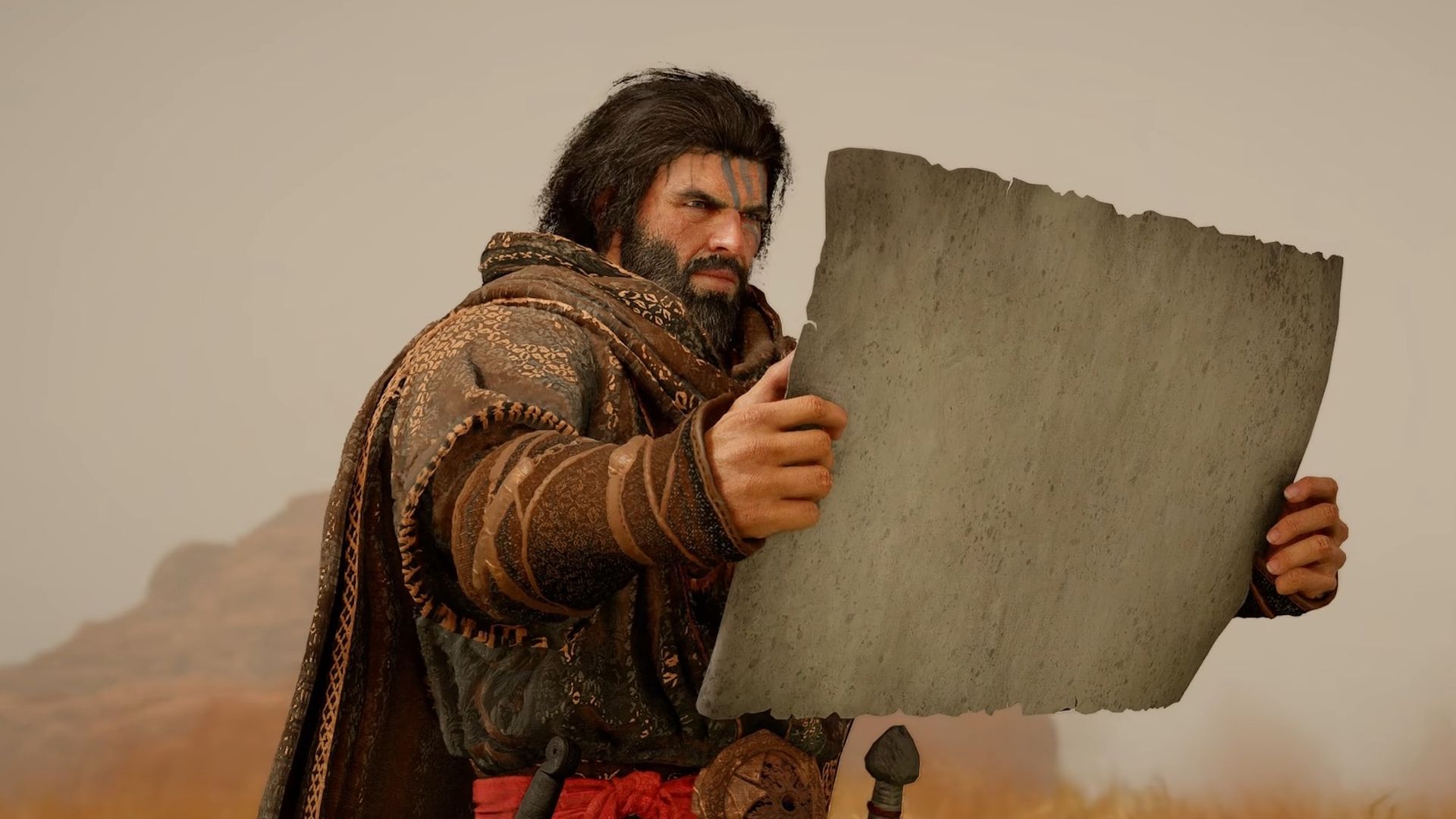 Crimson Desert's critic reviews may have been harsher than its user reviews because normal players not working on a deadline had more time to venture off the golden path and enjoy the game's rich world and systems, according to Lybee Park, CEO of developer Pearl Abyss' Europe branch.
Park spoke to The Game Business about Crimson Desert's reception, focusing on the launch period back when it was a different, meaningfully worse game that has since received approximately eight bazillion updates.
Interviewer Christopher Dring says "the critical reception was a little bit more mixed, right? It wasn't terrible, but it was a little bit lower." Crimson Desert's critical reception was, indeed, not terrible: it sits at 77 on Metacritic against an 8.7 user score. On Steam, Crimson Desert Enhanced, an improved version of the game that's replaced the old one less than a year after launch, has 83% positive lifetime user reviews and, as it happens, 77% positive recent reviews. (Our Crimson Desert Review awarded the game 4 out of 5 stars.)
It's not unusual for critical and user reviews to differ, and this is far from the biggest gap I've seen for a game. If you look at some of the best-rated releases of 2026, a lot of them have slightly lower user scores than critic scores, with exceptions like Resident Evil Requiem, which just has even more glowing user scores. Fewer still show score gaps larger than one point – one being Mixtape, a game which was trendy to hate online but still found a very receptive audience of confirmed buyers on stores like Steam, where reviews put it at 87% positive to Metacritic's 5.9 user score, or on the PlayStation Store, where it has 4.6 out of 5 stars.
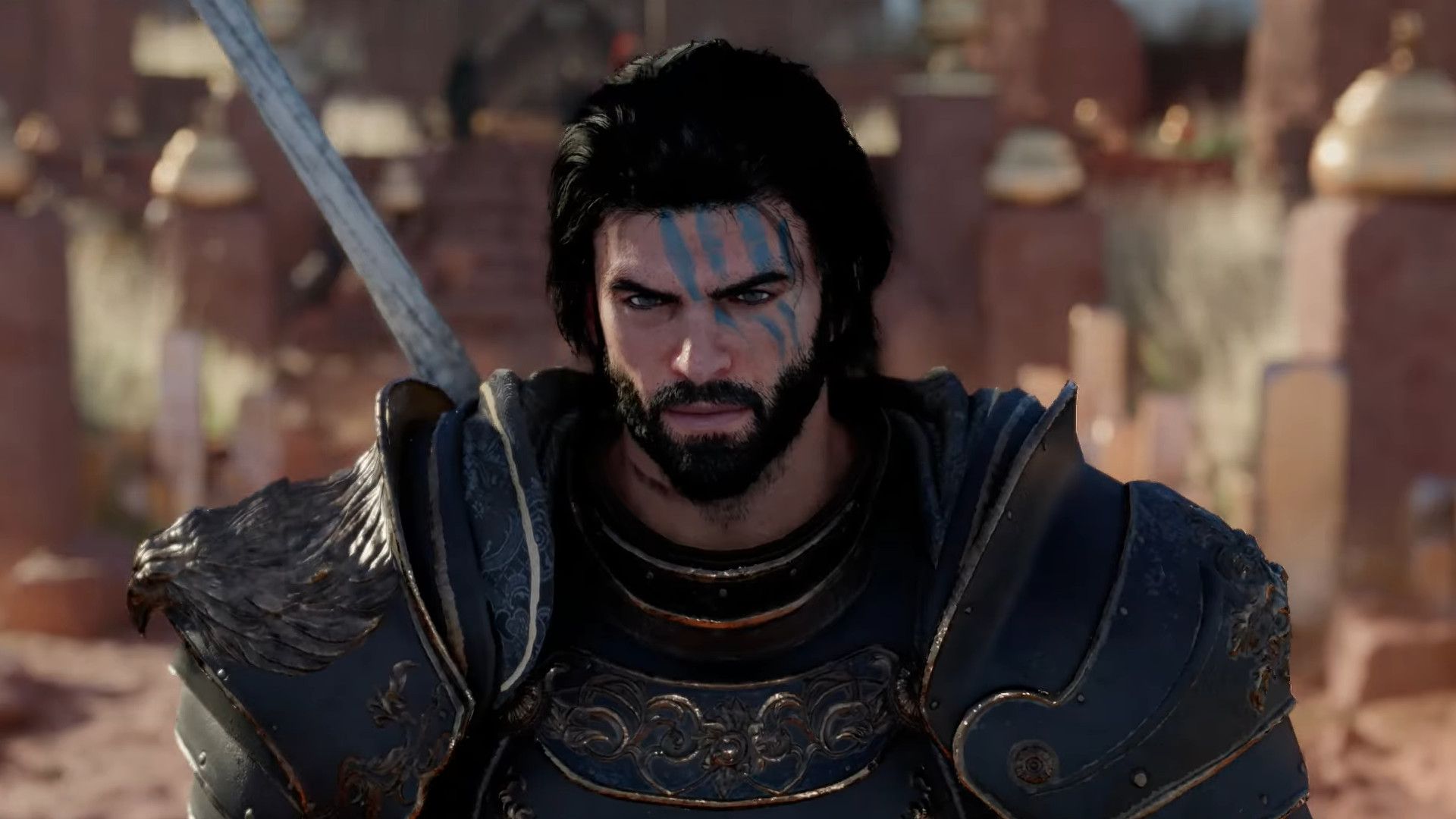
(Image credit: Pearl Abyss) When a critic may play dozens of times more games per year than the average gamer (who, surveys have found, only buys two or three new games annually), it's easy for tastes and expectations to shift and vary. Park speculates on where Crimson Desert's review gap may have come from.
"I can have my personal opinion, right?" she begins. "I do believe both parties have fair points, especially for critics. They had to play the build that is not the exact same version of the launched game. And, also, they had limited time, and usually the classical approach when they review the game is following the main quest line."
The main quest is not where Crimson Desert is at its strongest, Park implies. The other folks at Pearl Abyss clearly agree: the central story was deemed so erratic that it was actually directly patched with the release of the Enhanced version. We regularly see post-launch updates targeting game balance, resource economies, quality-of-life issues, UI navigation, performance, bugs, and many other elements, but games rarely rewrite their stories in this way.
"But Crimson Desert, our unique charm is spread all over our in-game world," Park adds. "All those tiny details that are hidden, all [the] freedom you can actually explore even further, beyond the common expectations. All of those unique bits and interesting, new, fresh bits, I don't think critics had a fair chance to explore and experience while it was the reviewing period."
I don't do nearly as many reviews as some game journalists, but I've been at this for 13 years so I have done a few dozen, and I can tell you that I don't play review games the same way I play my for-fun games. That's usually because I don't have time to. Thank the stars I didn't play Unicorn Overlord for review. Could I have spent 240 hours slow-rolling and savoring a 45-hour strategy RPG if I was on a deadline? Of course not, and my experience with the game would've been changed as a result.
But reviewers will generally work to see as much of a game as they can beyond just rolling credits. Especially with a sprawling open-world experience like Crimson Desert, there will be a need and a drive to poke around, though that drive can vary as much as opinions. I don't know anybody who reviewed The Legend of Zelda: Breath of the Wild by sprinting straight to Ganon as soon as they possibly could, unless that was for an experiment after they beat the game the conventional way.
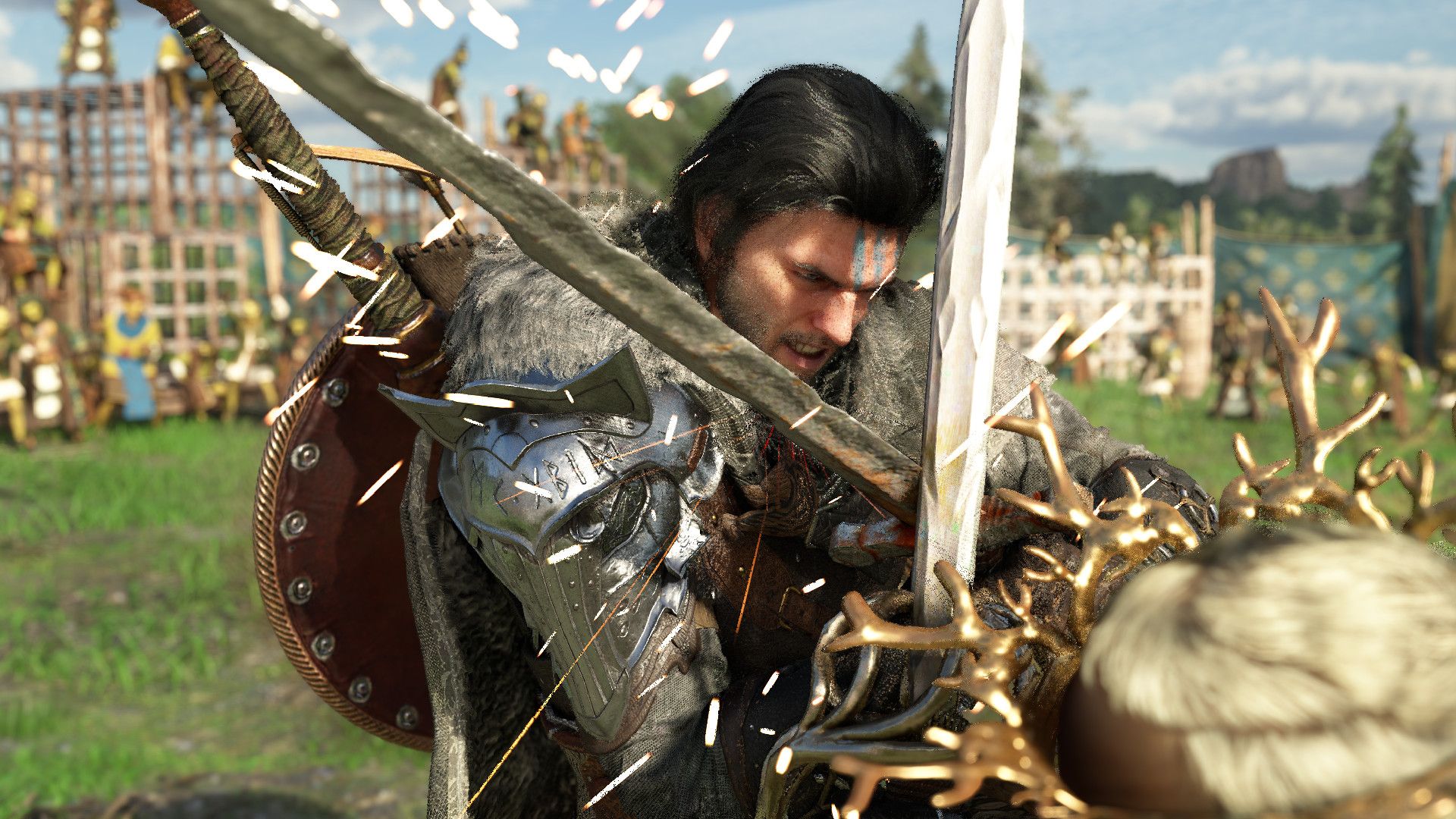
(Image credit: Pearl Abyss) And it is important to note, as Park does, that day-one patches can instantly render reviews somewhat outdated. I've had serious frustrations with games resolved by a patch within days or hours of my review going live. Yet reviewers can only criticize the game in their hands, not an imagined, better version of it. Even if players never encounter the same issues, reviewers are still right to criticize those if they run into them.
Really, the words hanging over this are "the reviewing period" – the time between the delivery of review keys and the opening of review embargoes. This is one place where you will find dramatic differences. How much time you get for a review can vary hugely between games, and the less time you have to play a game, even assuming days or weeks of inordinately long play sessions, the less realistic your experience can be. A lot of media outlets have gotten better about giving reviewers more time to play at a healthy pace which also allows for a more authentic experience, but there's still undeniably incentive to be ready for embargo.
We can fully dissect the levers of online criticism some other time. My point is, Pearl Abyss set the reviewing period for Crimson Desert. I don't wholly agree with Park's assessment that Crimson Desert's critical scores may have been lower because critics only saw the rainbow and not the pot of gold at the end. (I think Crimson Desert's reception was fair, and I think a game's ability to encourage and reward exploration is an important factor.) But I definitely agree that longer review periods are better for everyone.
Crimson Desert DLC Charting the Unknown delayed 2 weeks as Pearl Abyss seeks "a more polished and stable gameplay experience."
[/url]

Jat AI
Stay informed with the latest in artificial intelligence. Jat AI News Portal is your go-to source for AI trends, breakthroughs, and industry analysis. Connect with the community of technologists and business professionals shaping the future.

![Paradox Shikai & Bankai Tier List [April 2026]](https://www.destructoid.com/wp-content/uploads/2024/10/paradox-soul-reaper-shikai-and-bankai-tier-list.jpg)