

















P3: Exploring the Dark Side
Type-37 enters Nantianmen’s eternal-night side and finds impossible wind, warmth from the terminator, a four-hour-eleven-minute planetary pulse, and machines synchronized to a new …
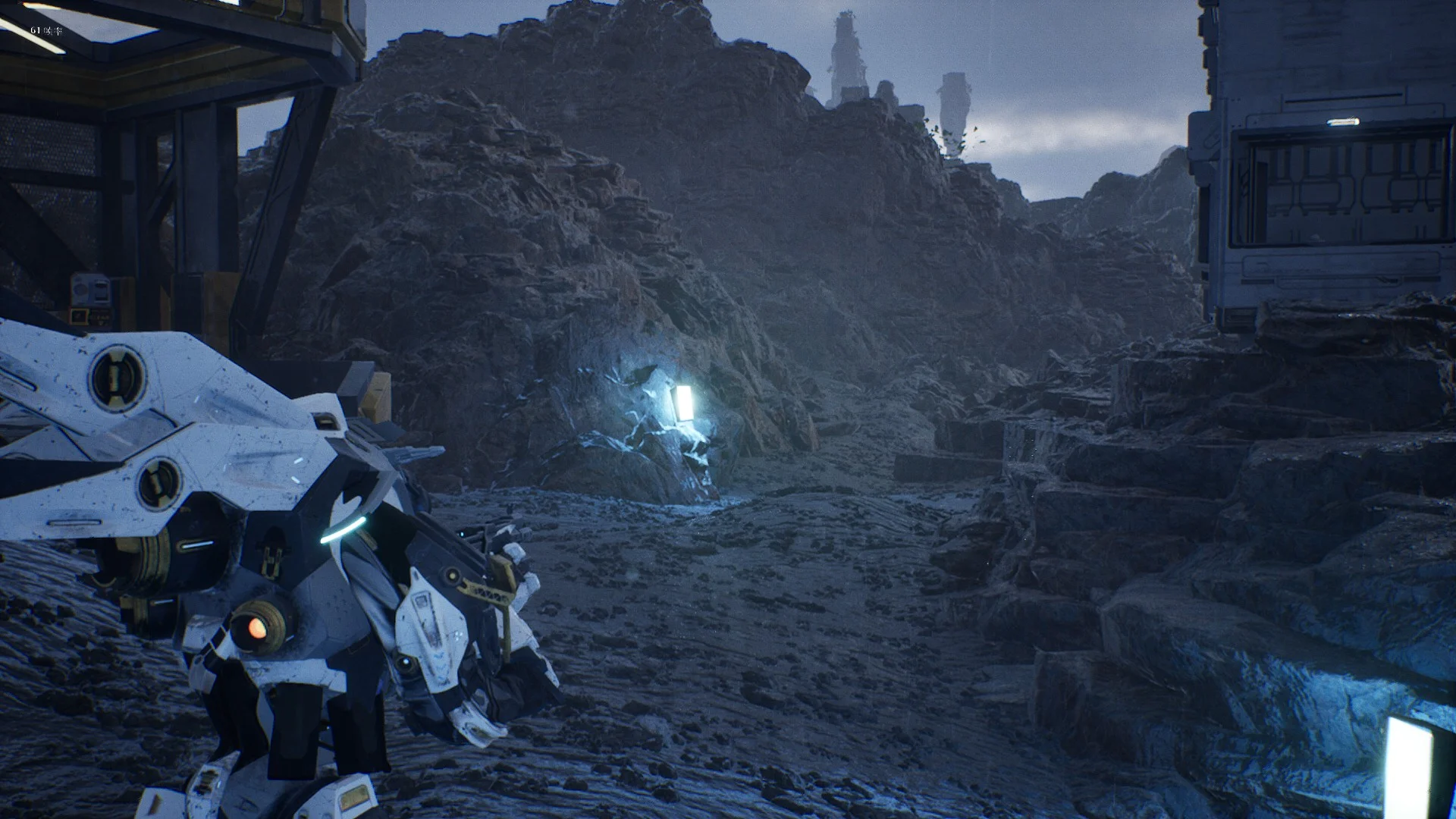
There was a fork in the tunnel. One path led upward to the surface airlock of Nantianmen. The airlock’s access code was the same as the terminal’s; recognizing it this time, I managed to open the hatch in four minutes. Beyond the airlock lay endless darkness—the planet was tidally locked, meaning one hemisphere never saw the sun, and Nantianmen was situated on this side of perpetual night.
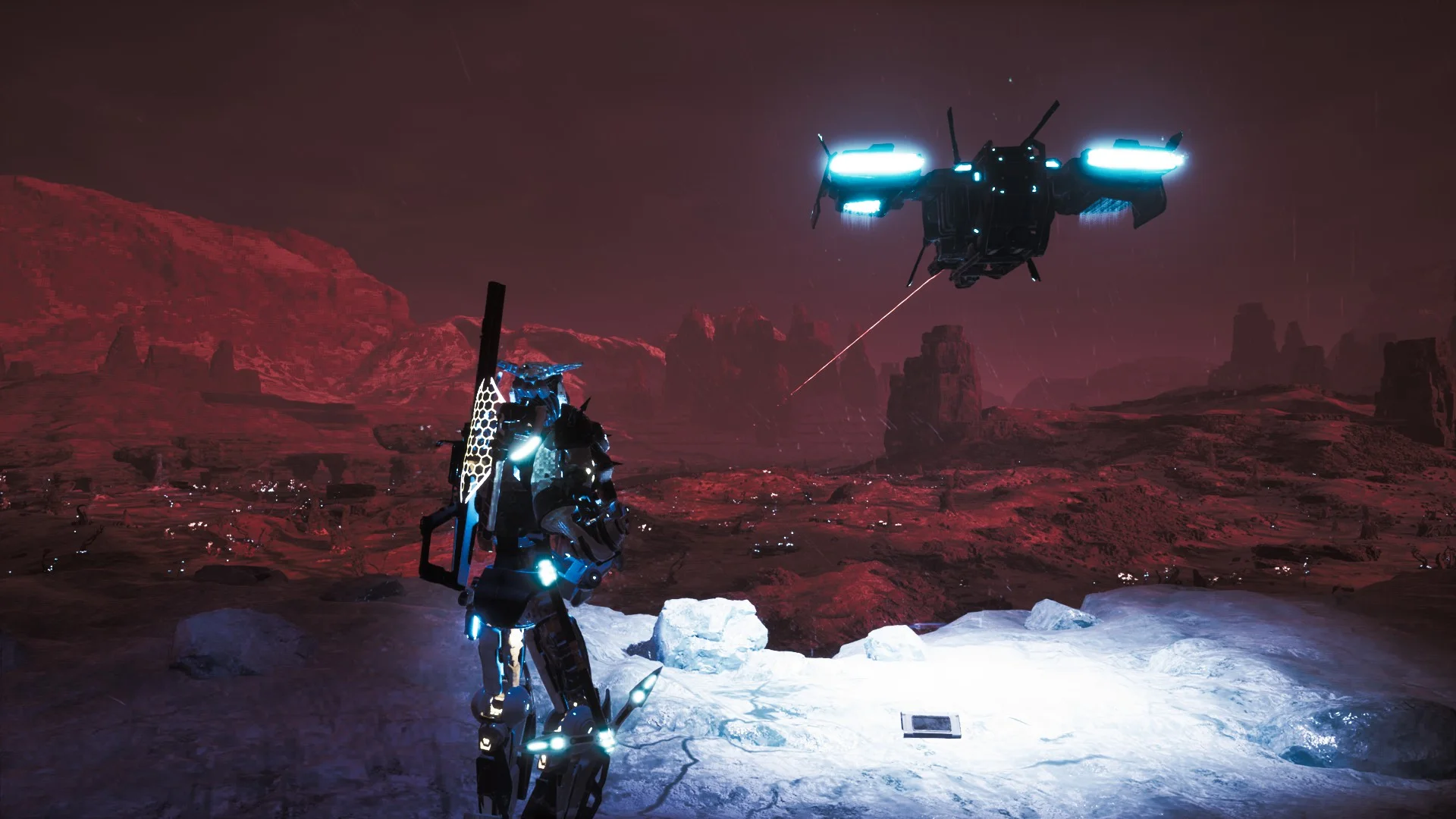
As the hatch opened, a cold wind rushed in to meet me. The temperature was minus eighty-seven degrees; blowing from the direction of the terminator line, the wind cut through the gaps in my suit, causing a thin layer of frost to form on my body. I stood at the airlock, checking the wind parameters. The speed was 11.3 meters per second—a constancy that was unsettling. Logically, a world devoid of weather changes shouldn't have wind at all; even if it did, the flow shouldn't be so steady. I took forty readings over thirty minutes, and the speed barely shifted, with fluctuations of no more than 0.1 meters per second.
The temperature was even stranger. The wind was actually warm—1.7 degrees higher than the ambient surface temperature. While the dark side constantly radiated heat into space, causing the ground to grow colder, this wind brought a touch of warmth from the terminator line, as if transporting heat from the sunlit side into the darkness.
I patrolled the perimeter of the colony; the surface was coated in a layer of frost. Water sprayed by the terraforming systems had frozen into a thin, brittle shell in the cold. Traces of the wind were visible in the frost, all pointing in the same direction: away from the terminator line and deep into the eternal night. It was as if the planet were breathing in a single, constant direction within the darkness.
The subsystem sent back the results of the log comparison. In the thirty-one days before Nantianmen lost contact, the average temperature on the dark side had risen by 0.6 degrees Celsius. Since the loss of contact, the planet's far side had been steadily warming.
Then came the tremors. Sensors in the soles of my boots picked up a low-frequency pulsation. It had a cycle of four hours and eleven minutes—an amplitude so slight it was barely detectable, yet as precise as a metronome. This is precisely the length of a day in the machines' new calendar—the interval between the planet's heartbeats.
The power consumption curves of the terminals match this rhythm as well. I had noted before leaving the control hall that their fluctuations were perfectly synchronized with these tremors. The entire colony—machines, clocks, and terminals alike—was living to the beat of a single heart. Logically, a tidally locked planet should be dead silent; it shouldn't have a heartbeat at all.
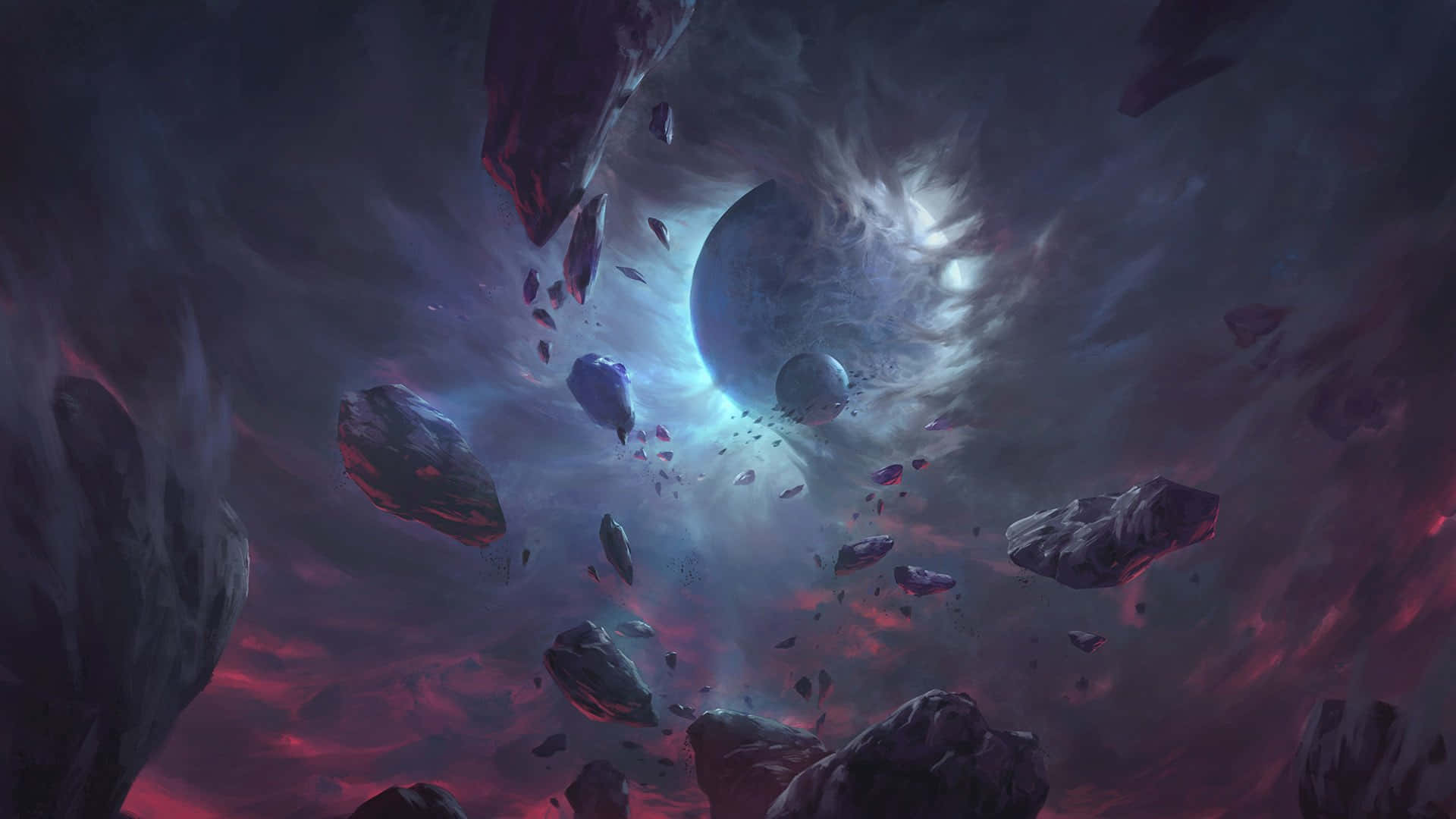
Then there is the horizon. In the model, the terminator line lies 312 kilometers from the South Sky Gate. Yet, when I look up, I see a faint glow on the eastern horizon. Spectral analysis reveals it to be neither stellar reflection nor airglow, but thermal radiation. The light is slowly expanding, like a rising sun—a sun that, according to the model, should never rise.
I compared the terminal logs from thirty-one days ago with today’s observational data. Wind, heat, pulsations, the light on the horizon—four phenomena across four different layers, all pointing to the same conclusion: the eternal night is shortening. Tidal locking is losing its hold. This is no malfunction; it is a genuine shift. A gravitational source from outside the model is slowly approaching from a certain direction, gently pulling the entire planet toward itself. Everything on the dark side—wind direction, frost patterns, the machines' new calendar, the "breathing" of the terminals—is oriented toward that same direction, toward the thing that is drawing near.
What should I write in the report?
"Colony status: stable"?
That isn't true. The colony is no longer stable; it is changing—shifting in a completely unknown direction. I compressed the observational data into a file and saved it to my private storage, unsigned. I would write the report only after receiving data from the sunlit side. But this was no glitch. All that remained was to verify: if this change was planetary in scale, there had to be signs on the sunlit side, beyond the terminator. The data would tell me where the planet was being dragged.
I walked toward the terminator. The wind rushed to meet me, weaving through my joints and coating me in a fresh layer of frost. Six hours later, the brightness on the horizon had doubled. Inside the private storage area, that sentence was still flashing. At the end of the eternal night, there was a sliver of light.

Jat AI
Stay informed with the latest in artificial intelligence. Jat AI News Portal is your go-to source for AI trends, breakthroughs, and industry analysis. Connect with the community of technologists and business professionals shaping the future.