

















Valve acknowledges Steam's AI problem as Next Fest exposes thousands of "low-quality games"
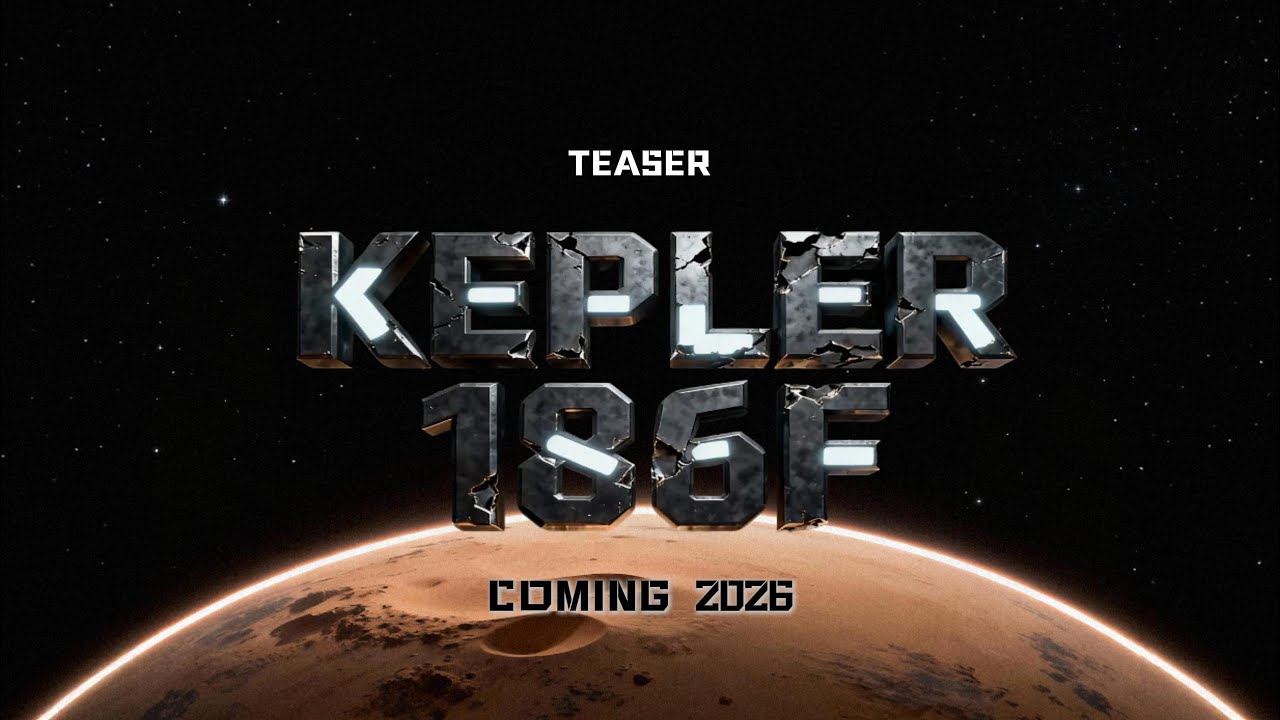
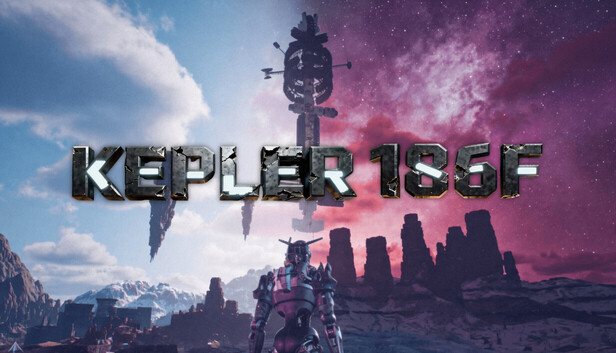
Valve's latest Steam Next Fest has been plagued by games using AI, drawing the attention of former developers like Chet Faliszek, who says the storefront is now "overwhelmed by slop" – but what do current folks at the company think? Well, they're unsurprisingly aware of the AI-fueled issue, at least, as Tom Giardino and Marc Wilkinson from Valve's Steam Business Team reveal during the Steam Indie Connect event in South Korea (as per Inven Global). Giardino first explains that Valve doesn't want to control what tools – in this case, generative AI – devs can use. "We don't want to be gatekeepers telling developers which tools they should or shouldn't use," he says. According to him, that should be up to the devs themselves, and clones have existed for a long time – much longer than the AI problem, but AI has accelerated the debacle. Giardino's solution is simple: "Rather than relying on a single mechanic that someone can easily copy, you need to keep growing your game by adding features, personality, and creativity that stem from your own perspective." It's far easier said than done, however. When asked specifically about Steam Next Fest and how it's been flooded by such AI copies, Wilkinson chimes in, stating that most of the coverage surrounding the clones was across the first couple of days of the event, before more "personalized" recommendations made the front page. He describes how Steam Next Fest is a bit random at first in an attempt to prevent abuse of the system from folks looking to gain immediate visibility. And, although the current model highlights some questionable titles at first, it supposedly makes things more "fair" overall. "We recognize that the trade-off is some low-quality games get exposed," Wilkinson admits. "We are fully aware of the situation, and a significant number of people are thinking about how to solve this problem." Giardino says the sheer scale nowadays doesn't help, either. Steam Next Fest isn't as small as it once was. A few years ago, he recalls how he had to convince devs to participate in the event, telling them, "There are only 50 or 100 games, so you should definitely join." Now, it's a case of "the pendulum swinging to the opposite side." Plus, "success" feels different for every dev in terms of wishlist numbers and the like following Steam Next Fest. "As platform operators, we can't define what success means for an individual game." That might be a thousand wishlists, or it might be 50 thousand. What Valve can control, though is the quality of the system – and, again, they know about its most pressing issues, like the AI situation, but they don't want to "limit" any devs. "We don't think we're perfect and there's plenty of room for improvement. Rather than limiting developer access, making Steam a smarter and more dynamic platform is the starting point of our philosophy," says Giardino. So, what is the solution then? I'm honestly not sure myself, but I also don't think cracking down on gen AI use would be "limiting" devs. For the time being, at least Steam enforces AI disclosures on any game that employs the controversial technology. "Steam's required AI disclosure is the right move": Devs say gen AI should be called out in games and support Valve's store mandate. [/url]
 Valve's latest Steam Next Fest has been plagued by games using AI, drawing the attention of former developers like Chet Faliszek, who says the storefront is now "overwhelmed by slop" – but what do current folks at the company think?
Well, they're unsurprisingly aware of the AI-fueled issue, at least, as Tom Giardino and Marc Wilkinson from Valve's Steam Business Team reveal during the Steam Indie Connect event in South Korea (as per Inven Global).
Giardino first explains that Valve doesn't want to control what tools – in this case, generative AI – devs can use. "We don't want to be gatekeepers telling developers which tools they should or shouldn't use," he says.
According to him, that should be up to the devs themselves, and clones have existed for a long time – much longer than the AI problem, but AI has accelerated the debacle.
Giardino's solution is simple: "Rather than relying on a single mechanic that someone can easily copy, you need to keep growing your game by adding features, personality, and creativity that stem from your own perspective." It's far easier said than done, however.
When asked specifically about Steam Next Fest and how it's been flooded by such AI copies, Wilkinson chimes in, stating that most of the coverage surrounding the clones was across the first couple of days of the event, before more "personalized" recommendations made the front page.
He describes how Steam Next Fest is a bit random at first in an attempt to prevent abuse of the system from folks looking to gain immediate visibility. And, although the current model highlights some questionable titles at first, it supposedly makes things more "fair" overall.
"We recognize that the trade-off is some low-quality games get exposed," Wilkinson admits. "We are fully aware of the situation, and a significant number of people are thinking about how to solve this problem."
Giardino says the sheer scale nowadays doesn't help, either. Steam Next Fest isn't as small as it once was.
A few years ago, he recalls how he had to convince devs to participate in the event, telling them, "There are only 50 or 100 games, so you should definitely join." Now, it's a case of "the pendulum swinging to the opposite side."
Plus, "success" feels different for every dev in terms of wishlist numbers and the like following Steam Next Fest. "As platform operators, we can't define what success means for an individual game."
That might be a thousand wishlists, or it might be 50 thousand. What Valve can control, though is the quality of the system – and, again, they know about its most pressing issues, like the AI situation, but they don't want to "limit" any devs. "We don't think we're perfect and there's plenty of room for improvement. Rather than limiting developer access, making Steam a smarter and more dynamic platform is the starting point of our philosophy," says Giardino.
So, what is the solution then? I'm honestly not sure myself, but I also don't think cracking down on gen AI use would be "limiting" devs. For the time being, at least Steam enforces AI disclosures on any game that employs the controversial technology.
"Steam's required AI disclosure is the right move": Devs say gen AI should be called out in games and support Valve's store mandate.
[/url]

Jat AI
Stay informed with the latest in artificial intelligence. Jat AI News Portal is your go-to source for AI trends, breakthroughs, and industry analysis. Connect with the community of technologists and business professionals shaping the future.