













Can anyone overthrow Steam? "As long as Valve is independent," analyst says it looks impossible
Recent moves from Epic Games, comments from its ever-chatty CEO Tim Sweeney, and scrutiny of Valve's handling of AI-reliant games has left many people revisiting a timeless question in PC gaming: can anyone, anywhere, ever beat Steam at its own game? I brought this question to Emmanuel Rosier, director of market intelligence at research and analyst firm Newzoo. In the past few weeks, we've seen more developers dissect and debate Valve's chokehold on PC gaming – how Valve got to this position, how Steam's dominance affects game devs and players, and the feasibility of Steam becoming a meaningfully smaller portion of the market. Alternatives to Steam obviously exist. GOG is a great source for specific games, Rosier notes the success of many "local launchers" in Asia, Battle.net is selling The Witcher now, Itch.io is like a big box of chocolates, and, well, the Epic Games Store is vibe coded. But nobody really threatens Steam as the market leader. Can it be done? "Steam is difficult to avoid, I would say, at this point in time," Rosier reasons. He says "this is kind of a pendulum" that has swung back and forth, and we've currently caught PC gaming in a very Steam time in its life. "10 or 20 years ago, the big publishers decided to have their own platform distribution on PC, and then they almost all went back to Steam," Rosier adds. The likes of EA and Ubisoft all came crawling back, and even Blizzard has Overwatch on Steam now. "So yeah, for me it's a pendulum, and I don't see, right now, the big publishers moving back to, 'Yeah, we're gonna get out of Steam, we're only gonna do our platform.' I don't see that happening at this moment." One big question here, Rosier notes, is Microsoft and Xbox Project Helix. Microsoft owns Activision Blizzard and, through it, Battle.net, and its next console is positioned as a PC hybrid. You can play PC games on Helix, but can you run Steam? The shape of Microsoft's ecosystem is still unclear. (Image credit: Valve) The irony is that Steam's dominance is, itself, a big part of Steam's dominance: it's a compounding function of investment and familiarity. You can reasonably argue that unseating Steam gets harder every year. I'm reminded of Phil Spencer admitting that Xbox lost the "worst generation to lose" to PlayStation, allowing tons of people to build up digital libraries on somebody else's platform, thus making it much harder to get them to move. Recently, we've seen people say that even if a functionally better version of Steam appeared tomorrow offering improved revenue split for developers and enhanced features for players, a lot of people would still be reluctant to try it because they are used to Steam and it's where they keep all their stuff. "I think the strength of the Steam store at this moment is more on networking in the sense that you have your friends there, you have all your library there, and that's kind of difficult to come in and say, 'OK, now start purchasing my game on another platform,'" Rosier explains. "That's difficult, because initially it creates some friction for the players. So any competitor to Steam needs to come with something that is going to make it a better experience than Steam. Otherwise, it's very difficult to get the player to migrate." In some ways, this makes it Valve's game to lose. Unless Steam blinks, it'll be hard to pull one over on it. And Valve has a secret weapon that has (perhaps not coincidentally) been out of reach of almost every Steam competitor throughout history: it's privately owned. By avoiding the pressures inevitably placed on publicly traded companies beholden to shareholder value and growth expectations, Steam has been able to prioritize the user experience while retaining talent, and it still makes so much money per employee that it embarrasses many of the biggest public tech companies on Earth. Taking a 30% cut (on a small sliding scale) of all sales on the platform will do that. Whether Steam actually earns that cut through support and features beyond access to Steam users, and whether all or at least lower-revenue games should receive a more generous rate to help devs, is the subject of heated debate. But there's no doubt that the model works. "As long as Valve is independent and not a publicly traded company, they probably have a certain ambition, but not an extraordinary ambition," Rosier says. "So I think they can still decide to make some decisions that are player-first, and that helps, right? To get the goodwill from the players." I mentioned the argument most recently made by former Epic Games animation programmer Kiaran Ritchie, who, not uncommonly, suggests Steam is so entrenched that it's functionally impossible for Valve to lose in a way that matters unless it makes a massive mistake first. "That seems [like] a good perspective," Rosier agrees. Valve says devs can fight AI clones on Steam by not "relying on a single mechanic that someone can easily copy," and report extortion to law enforc
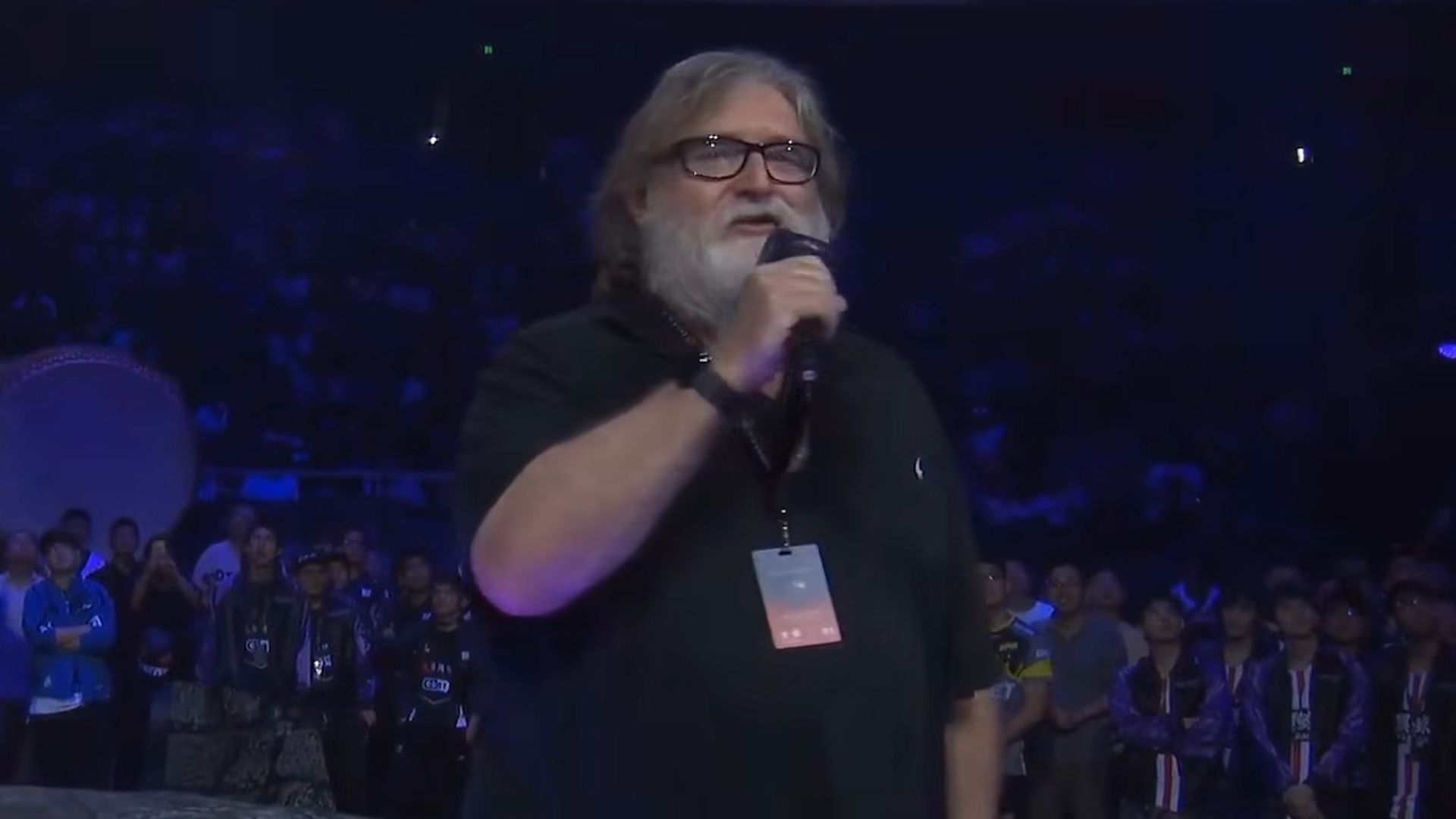 Recent moves from Epic Games, comments from its ever-chatty CEO Tim Sweeney, and scrutiny of Valve's handling of AI-reliant games has left many people revisiting a timeless question in PC gaming: can anyone, anywhere, ever beat Steam at its own game?
I brought this question to Emmanuel Rosier, director of market intelligence at research and analyst firm Newzoo. In the past few weeks, we've seen more developers dissect and debate Valve's chokehold on PC gaming – how Valve got to this position, how Steam's dominance affects game devs and players, and the feasibility of Steam becoming a meaningfully smaller portion of the market.
Alternatives to Steam obviously exist. GOG is a great source for specific games, Rosier notes the success of many "local launchers" in Asia, Battle.net is selling The Witcher now, Itch.io is like a big box of chocolates, and, well, the Epic Games Store is vibe coded. But nobody really threatens Steam as the market leader. Can it be done?
"Steam is difficult to avoid, I would say, at this point in time," Rosier reasons. He says "this is kind of a pendulum" that has swung back and forth, and we've currently caught PC gaming in a very Steam time in its life.
"10 or 20 years ago, the big publishers decided to have their own platform distribution on PC, and then they almost all went back to Steam," Rosier adds. The likes of EA and Ubisoft all came crawling back, and even Blizzard has Overwatch on Steam now. "So yeah, for me it's a pendulum, and I don't see, right now, the big publishers moving back to, 'Yeah, we're gonna get out of Steam, we're only gonna do our platform.' I don't see that happening at this moment."
One big question here, Rosier notes, is Microsoft and Xbox Project Helix. Microsoft owns Activision Blizzard and, through it, Battle.net, and its next console is positioned as a PC hybrid. You can play PC games on Helix, but can you run Steam? The shape of Microsoft's ecosystem is still unclear.

(Image credit: Valve) The irony is that Steam's dominance is, itself, a big part of Steam's dominance: it's a compounding function of investment and familiarity. You can reasonably argue that unseating Steam gets harder every year. I'm reminded of Phil Spencer admitting that Xbox lost the "worst generation to lose" to PlayStation, allowing tons of people to build up digital libraries on somebody else's platform, thus making it much harder to get them to move.
Recently, we've seen people say that even if a functionally better version of Steam appeared tomorrow offering improved revenue split for developers and enhanced features for players, a lot of people would still be reluctant to try it because they are used to Steam and it's where they keep all their stuff.
"I think the strength of the Steam store at this moment is more on networking in the sense that you have your friends there, you have all your library there, and that's kind of difficult to come in and say, 'OK, now start purchasing my game on another platform,'" Rosier explains. "That's difficult, because initially it creates some friction for the players. So any competitor to Steam needs to come with something that is going to make it a better experience than Steam. Otherwise, it's very difficult to get the player to migrate."
In some ways, this makes it Valve's game to lose. Unless Steam blinks, it'll be hard to pull one over on it. And Valve has a secret weapon that has (perhaps not coincidentally) been out of reach of almost every Steam competitor throughout history: it's privately owned.
By avoiding the pressures inevitably placed on publicly traded companies beholden to shareholder value and growth expectations, Steam has been able to prioritize the user experience while retaining talent, and it still makes so much money per employee that it embarrasses many of the biggest public tech companies on Earth. Taking a 30% cut (on a small sliding scale) of all sales on the platform will do that. Whether Steam actually earns that cut through support and features beyond access to Steam users, and whether all or at least lower-revenue games should receive a more generous rate to help devs, is the subject of heated debate. But there's no doubt that the model works.
"As long as Valve is independent and not a publicly traded company, they probably have a certain ambition, but not an extraordinary ambition," Rosier says. "So I think they can still decide to make some decisions that are player-first, and that helps, right? To get the goodwill from the players."
I mentioned the argument most recently made by former Epic Games animation programmer Kiaran Ritchie, who, not uncommonly, suggests Steam is so entrenched that it's functionally impossible for Valve to lose in a way that matters unless it makes a massive mistake first.
"That seems [like] a good perspective," Rosier agrees.
Valve says devs can fight AI clones on Steam by not "relying on a single mechanic that someone can easily copy," and report extortion to law enforcement while you're at it
[/url]

Jat AI
Stay informed with the latest in artificial intelligence. Jat AI News Portal is your go-to source for AI trends, breakthroughs, and industry analysis. Connect with the community of technologists and business professionals shaping the future.