
























How does Habitat Restoration work in Monster Hunter Stories 3
There are several key elements to master in Monster Hunter Stories 3, and one of them involves restoring different habitats. The coverage of monsters isn't the same in all areas, but increasing their population will be helpful to you in the long run. You'll be eligible for better eggs, and in turn, better monsties, to add to your collection. This guide will help you to understand everything that you need to know about restoring different habitats.Table of contentsHow to restore habitats in Monster Hunter Stories 3How to raise Ecosystem Rank in Monster Hunter Stories 3How to restore habitats in Monster Hunter Stories 3 For starters, you'll need to clear all content until you go up against the Invasive Yian Garuga. This is the first Invasive monster you'll face in the game, and it's part of the main campaign. Hence, you can't miss it by any chance. Once you defeat the Yian Garuga, you can then release monsties in a region. Doing so will increase that particular region's Ecosystem Rank. Image via Capcom Once you open the Hatitat Restoration screen, select the area.The area will have an Element preference and an Ecosystem Rank that has four tiers: C, B, A, and S.You can release up to five additional monsties in every region aside from the ones that are native to it. Let's now find out how to increase the Ecosystem Rank of a habitat.How to raise Ecosystem Rank in Monster Hunter Stories 3 The Ecosystem Rank of a region is increased when you release a monstie. However, it increases more quickly when you encounter higher-level monsters. Additionally, adding mutated monsters (endangered or native) also helps to get the Ecosystem Rank up faster. Image via Capcom Here's a list of different benefits you get when the Ecosystem Rank is high.Better eggs that have higher chances of having S-Rank genes (only possible if the Ecosystem Rank is at S).Eggs will have higher chances to reward you with eggs that typically hatch higher-level monsties.Certain mutations are only possible if the Ecosystem Rank is either an A or an S Rank.Dual-Type monsties Getting a mutation has extra benefits, as you have creatures with two elements (better to hit different weaknesses). The element your monstie inherits will depend on the region itself (for both slots). Hence, there are plenty of benefits of restoring habitats and raising their Ecosystem Rank. Additionally, you'll need to do so to unlock every mutation that's currently available in Monster Hunter Stories 3. The post How does Habitat Restoration work in Monster Hunter Stories 3 appeared first on Destructoid.
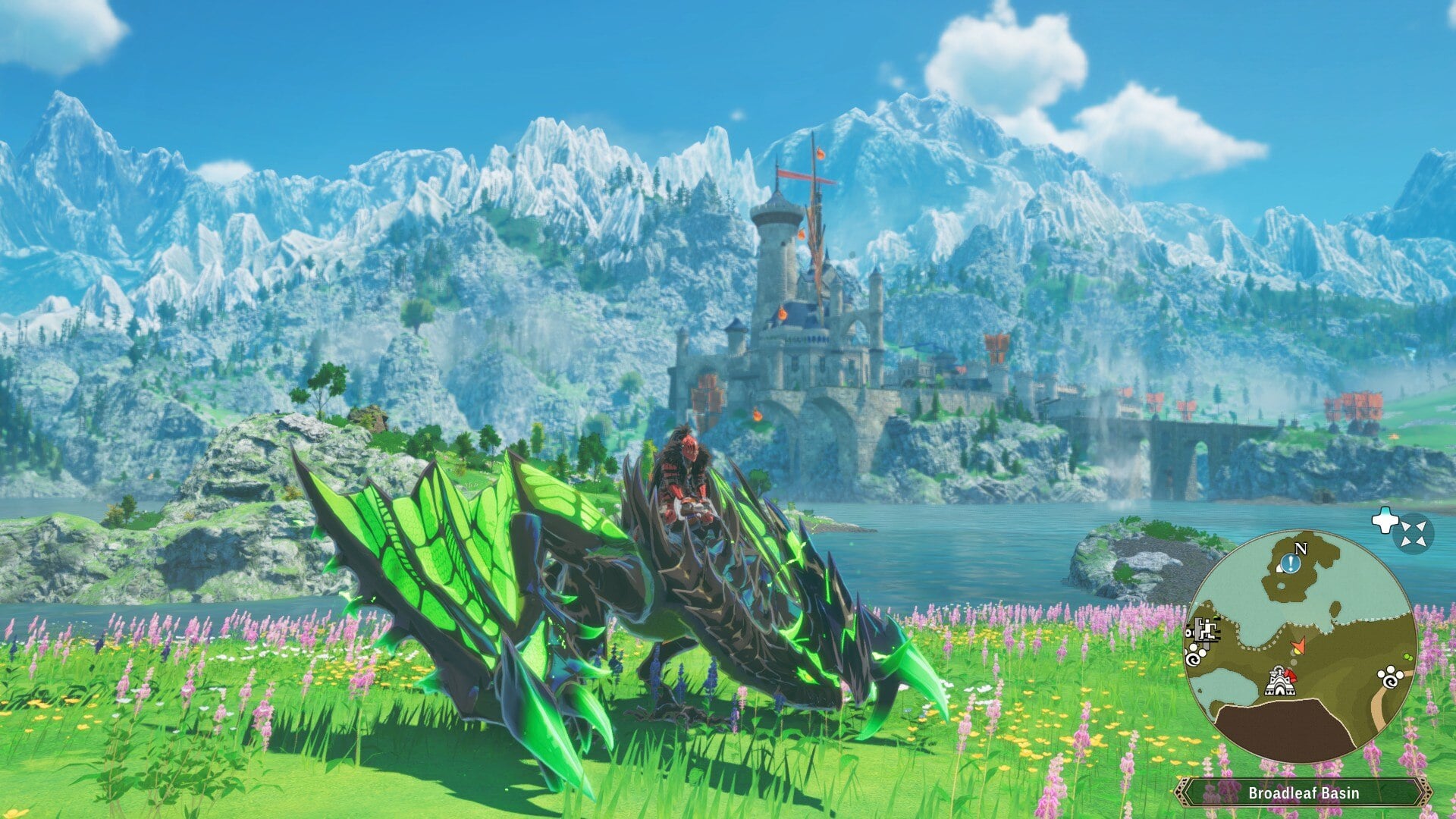
There are several key elements to master in Monster Hunter Stories 3, and one of them involves restoring different habitats.
The coverage of monsters isn't the same in all areas, but increasing their population will be helpful to you in the long run. You'll be eligible for better eggs, and in turn, better monsties, to add to your collection.
This guide will help you to understand everything that you need to know about restoring different habitats.
Table of contents
- How to restore habitats in Monster Hunter Stories 3
- How to raise Ecosystem Rank in Monster Hunter Stories 3
How to restore habitats in Monster Hunter Stories 3
For starters, you'll need to clear all content until you go up against the Invasive Yian Garuga. This is the first Invasive monster you'll face in the game, and it's part of the main campaign. Hence, you can't miss it by any chance.Once you defeat the Yian Garuga, you can then release monsties in a region. Doing so will increase that particular region's Ecosystem Rank.
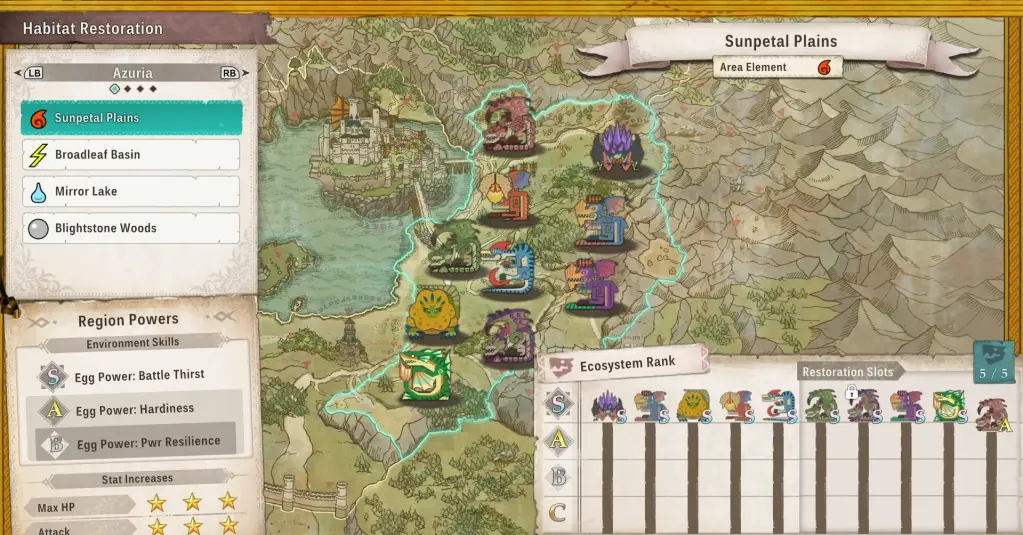 Image via Capcom
 - Once you open the Hatitat Restoration screen, select the area.
- The area will have an Element preference and an Ecosystem Rank that has four tiers: C, B, A, and S.
- You can release up to five additional monsties in every region aside from the ones that are native to it.
How to raise Ecosystem Rank in Monster Hunter Stories 3
The Ecosystem Rank of a region is increased when you release a monstie. However, it increases more quickly when you encounter higher-level monsters. Additionally, adding mutated monsters (endangered or native) also helps to get the Ecosystem Rank up faster.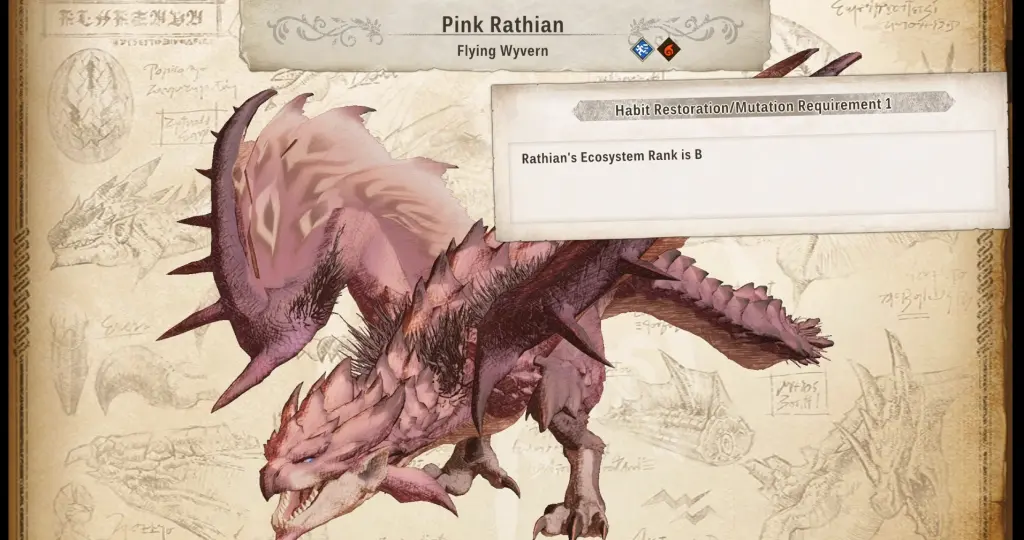 Image via Capcom Here's a list of different benefits you get when the Ecosystem Rank is high.
- Better eggs that have higher chances of having S-Rank genes (only possible if the Ecosystem Rank is at S).
- Eggs will have higher chances to reward you with eggs that typically hatch higher-level monsties.
- Certain mutations are only possible if the Ecosystem Rank is either an A or an S Rank.
- Dual-Type monsties
Hence, there are plenty of benefits of restoring habitats and raising their Ecosystem Rank. Additionally, you'll need to do so to unlock every mutation that's currently available in Monster Hunter Stories 3.
The post How does Habitat Restoration work in Monster Hunter Stories 3 appeared first on Destructoid.

Jat AI
Stay informed with the latest in artificial intelligence. Jat AI News Portal is your go-to source for AI trends, breakthroughs, and industry analysis. Connect with the community of technologists and business professionals shaping the future.





![KAIZEN Locations & Map Guide – Boss, Chest, Weapon, Style [KASHIMO]](https://www.destructoid.com/wp-content/uploads/2026/02/kaizen-locations-and-map-guide.jpg)